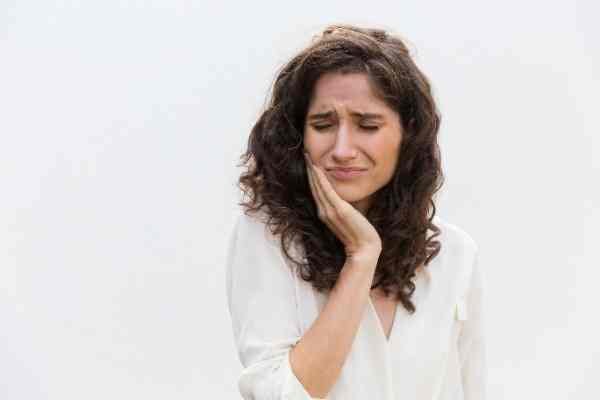
While stress is often talked about in regard to sleep, headaches, and overall well-being, how stress affects oral health is a topic that receives less attention. Here at Lifestyle Smiles, our dentist Brighton team is often asked whether stress can really affect one’s teeth and gums. Research shows that it does, mostly in indirect ways rather than through one direct method.
Grinding and Clenching of Teeth
The first and most studied relationship between stress and oral health involves the grinding or clenching of teeth. It usually happens when you sleep without being aware of what is happening. During periods of increased stress, more grinding tends to take place.
Over time, grinding and clenching can result in:
- Flattened, worn, or chipped teeth
- Increased tooth sensitivity
- Jaw soreness or tightness
- Headaches, particularly around the temples or jaw
- In more significant cases, gum recession or loosening of teeth
If a dentist identifies tooth wear that is more advanced than expected for a patient’s age, grinding is often considered as a contributing factor, and stress is a commonly discussed trigger.
Jaw Tension and TMJ-Related Symptoms
Muscle tension due to stress is another factor that causes tight jaws, which have been known to present some problems with the temporomandibular joint (TMJ), such as popping noises, pain when chewing, or difficulty in movement. However, not all symptoms related to the TMJ are a result of stress. This can be confirmed through a medical examination.
Changes in Dental Care Practices
In times of stress, one’s schedule might become erratic and thus affect their oral hygiene care practices. This is not directly a result of stress, but rather an indirect effect of behavioral changes that result from stress.
Diet
Stress can also influence dietary patterns. For some individuals, this includes increased consumption of sugary or convenient foods during difficult periods. Frequent snacking and higher sugar intake are recognised contributors to tooth decay, regardless of the underlying cause.
Gum Health and Inflammation
Research has explored associations between chronic stress and the body’s inflammatory response, including its possible relationship to gum health. Some studies suggest a link between stress and increased risk or severity of gum disease. This remains a complex and evolving area of research, and stress should be regarded as one of several potential contributing factors rather than a primary cause. Established risk factors for gum disease, including oral hygiene, smoking, and certain medical conditions, remain significant regardless of stress levels.
Dry Mouth
Some individuals experience reduced saliva flow during periods of stress or anxiety, which may be related to changes in breathing, medication use, or other factors. Saliva plays a protective role for teeth and gums, so reduced saliva flow can increase vulnerability to decay.
Practical Steps
While the management of stress itself falls outside the scope of dentistry, several dental-specific measures may help reduce its impact on oral health.
Night guards. If grinding is identified, a custom-fitted night guard can help protect the teeth from physical wear, although it does not address the underlying cause.
Routine check-ups. Regular dental visits allow early identification of grinding, wear, or changes in gum health.
Maintaining oral hygiene. Consistency in daily brushing and flossing remains important, particularly during periods of increased stress.
Discussing symptoms with a dentist. Reporting jaw pain, headaches, or noticeable tooth wear, along with any relevant changes in stress levels, can assist in clinical assessment.
When to Seek Assessment
Morning jaw pain, headaches, visible teeth wear, or teeth grinding observed by a family member require professional assessment. Equally, any alteration in gum condition that results in bleeding and irritation caused by stress should be checked professionally rather than waiting for it to get better on its own.
The professionals at Lifestyle Smiles are in a position to check for evidence of grinding or associated conditions in case of stress.