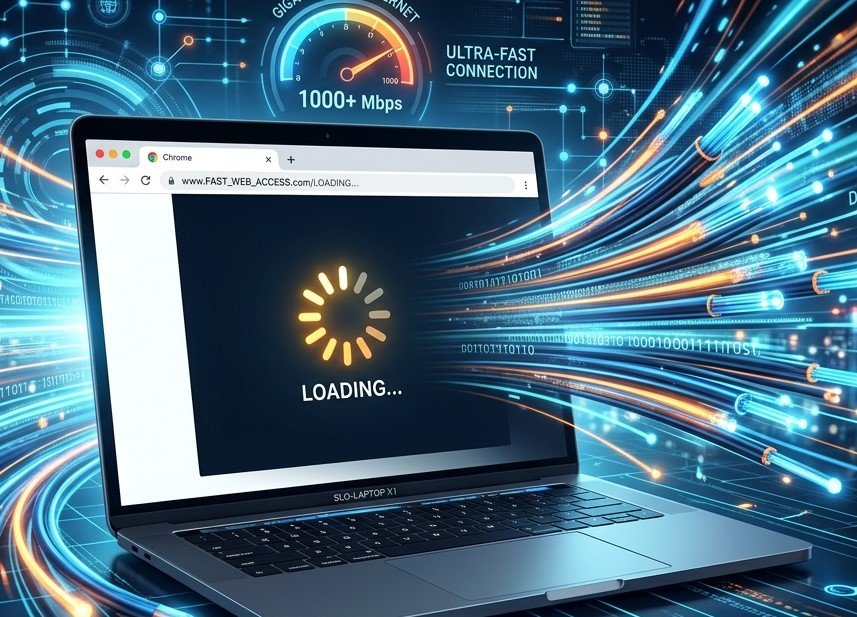
Having a fast internet connection does not always guarantee fast website loading. You may have a high-speed broadband plan and still experience websites that take several seconds to open, images that load slowly, or pages that become unresponsive. In many cases, the problem is not the internet connection itself but the computer, browser, DNS settings, background applications, or network hardware.
Understanding the possible causes can help you identify where the slowdown is occurring. If website performance remains poor despite having a reliable internet connection, professional computer repair Albany, laptop repair Albany, and computer repair Albany NY services can help determine whether the problem is related to your computer or network configuration.
Check Whether the Problem Affects Every Website
Before changing settings, determine whether the problem occurs with every website or only certain websites.
Open several different websites and compare their loading speeds. If only one or two websites are slow, the problem may be related to those websites’ servers, content, or current traffic.
If almost every website loads slowly, the issue is more likely to involve your browser, computer, DNS configuration, network connection, or security software.
You can also try another device connected to the same network. If websites load quickly on your phone or another computer but remain slow on your laptop, the problem may be specific to the affected computer.
Too Many Browser Tabs and Extensions
Modern web browsers can consume significant system resources, especially when many tabs are open simultaneously.
Each tab may use memory and processing power. Some websites also continue running background scripts even when you are not actively viewing them.
Browser extensions can contribute to the problem as well. Ad blockers, shopping tools, security extensions, password managers, and other add-ons may interact with websites and affect loading performance.
Try closing unnecessary tabs and temporarily disabling extensions you do not need. If website performance improves, one of the extensions or browser processes may be contributing to the slowdown.
Your Computer May Be Low on RAM
Insufficient memory can make browsing feel slow even when your internet connection is fast.
When available RAM becomes limited, the operating system may rely more heavily on storage to manage active applications. Because storage is generally slower than RAM, this can cause delays when opening browser tabs and switching between programs.
Check how much memory your computer is using while browsing. If memory usage consistently remains very high, closing unnecessary applications or upgrading the computer’s RAM may improve overall performance.
A professional computer repair Albany technician can help determine whether a memory upgrade would be appropriate for your system.
Check Your Browser Cache
Browsers store temporary files, images, cookies, and other website information to make frequently visited websites load more efficiently.
However, cache data can sometimes become outdated or corrupted. An excessively large cache can also contribute to browser performance issues in certain situations.
Clearing cached files can be a useful troubleshooting step if websites suddenly become slower or display incorrectly.
Keep in mind that clearing cookies may sign you out of websites, so make sure you know your login information before removing them.
DNS Problems Can Slow Website Connections
The Domain Name System, or DNS, translates website names into IP addresses that computers use to connect to online servers.
If your DNS server is slow, unreliable, or experiencing problems, your browser may take longer to begin loading websites even though your actual internet speed is high.
Testing a different DNS configuration can help determine whether DNS resolution is contributing to the problem. However, users who are unfamiliar with network settings should make changes carefully and document their original configuration first.
If DNS-related problems continue, professional laptop repair Albany services can help diagnose network configuration issues.
Background Applications May Be Using Your Resources
A computer can have a fast internet connection but still struggle to load websites because other applications are consuming system resources.
Cloud storage programs, software updates, file synchronization tools, video applications, and security scans can all use processing power, memory, storage activity, or bandwidth.
Open your system’s task management utility and check which programs are using significant resources.
If an application is consuming unusually high CPU, memory, disk, or network resources, closing it temporarily may improve browser performance.
Malware Can Affect Internet Performance
Malware and unwanted software can interfere with normal computer operation.
Some malicious programs may run background processes, communicate with remote servers, display unwanted advertisements, or consume system resources.
If your computer has suddenly become slower, displays unexpected advertisements, redirects your browser, or behaves unusually, run a trusted security scan.
Do not install multiple unknown antivirus programs simply because you suspect malware. Running several security applications simultaneously can sometimes create additional performance problems.
Your Browser or Operating System May Be Outdated
Browser developers regularly release updates that improve performance, security, compatibility, and stability.
An outdated browser may have difficulty handling newer website technologies. Similarly, an operating system that has missed important updates may experience compatibility problems.
Make sure your browser and operating system are supported and reasonably up to date. Restart the computer after major updates if requested.
If the system continues to perform poorly after updating, the problem may involve hardware limitations or another underlying software issue.
Check Your Computer’s Storage
A nearly full storage drive can contribute to overall system performance problems.
Modern operating systems require available storage space for temporary files, updates, caches, and other operations. When a drive becomes extremely full, the computer may become less responsive.
Check the available space on your primary storage drive. Remove unnecessary temporary files, old downloads, and applications you no longer use.
However, avoid deleting unfamiliar system files simply to free up space.
Network Equipment Can Also Be Responsible
Even when your internet service is fast, the modem, router, Wi-Fi connection, or network adapter can cause slow browsing.
Restarting your router can sometimes resolve temporary connection problems. If you use Wi-Fi, compare performance from different locations to determine whether signal strength is affecting the connection.
If possible, test the computer using an Ethernet connection. If websites become noticeably faster through Ethernet, the problem may involve Wi-Fi interference, signal strength, or wireless configuration.
When Professional Computer Repair May Help
If you have tried basic troubleshooting and websites remain slow, professional diagnostics can help identify the actual cause.
A technician can examine browser performance, system resources, storage health, network settings, drivers, security issues, and hardware limitations.
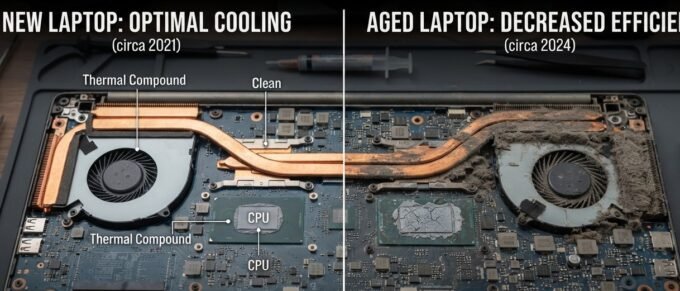
Experienced computer repair Albany NY professionals can also determine whether the problem is caused by aging hardware rather than your internet service. In some cases, a computer tune-up, storage upgrade, RAM upgrade, or software cleanup may provide a noticeable improvement.
Conclusion
A fast internet connection is only one part of the website-loading process. Browser extensions, insufficient RAM, DNS problems, background applications, malware, outdated software, limited storage, and Wi-Fi issues can all make websites feel slow.
Start by determining whether the problem affects every website and whether other devices on the same network experience the same issue. Then check your browser, system resources, storage, software, and network equipment.
If the problem continues despite having a reliable internet connection, professional computer repair Albany, laptop repair Albany, and computer repair Albany NY services can help identify the underlying cause and recommend an appropriate solution. Addressing the actual source of the slowdown can make everyday browsing faster, smoother, and more reliable.