Creating a standout outfit does not always mean choosing the loudest colors or combining several bold pieces. The strongest looks often come from thoughtful balance, interesting proportions, and one or two memorable details. Comme Des Garcons provides plenty of inspiration for building outfits that feel distinctive while remaining wearable. By combining expressive pieces with dependable wardrobe staples, you can create a personal style that feels modern rather than forced. The key is understanding how each garment contributes to the overall appearance.
Bring Personality Through Recognizable Details
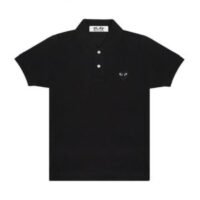
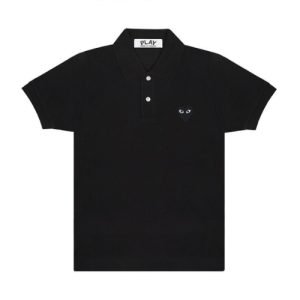
Distinctive details can turn an ordinary combination into something more memorable. Comme Des Garcons Play can add personality to a casual wardrobe when paired with simple garments that allow its design elements to remain visible. Try combining a recognizable top with clean trousers and understated footwear for an effortless appearance. The contrast between a statement detail and uncomplicated basics creates visual interest without overwhelming the outfit. This method works particularly well when you want your clothing to feel expressive while still being practical for regular wear.
Use Layers to Build Depth
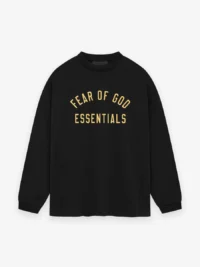
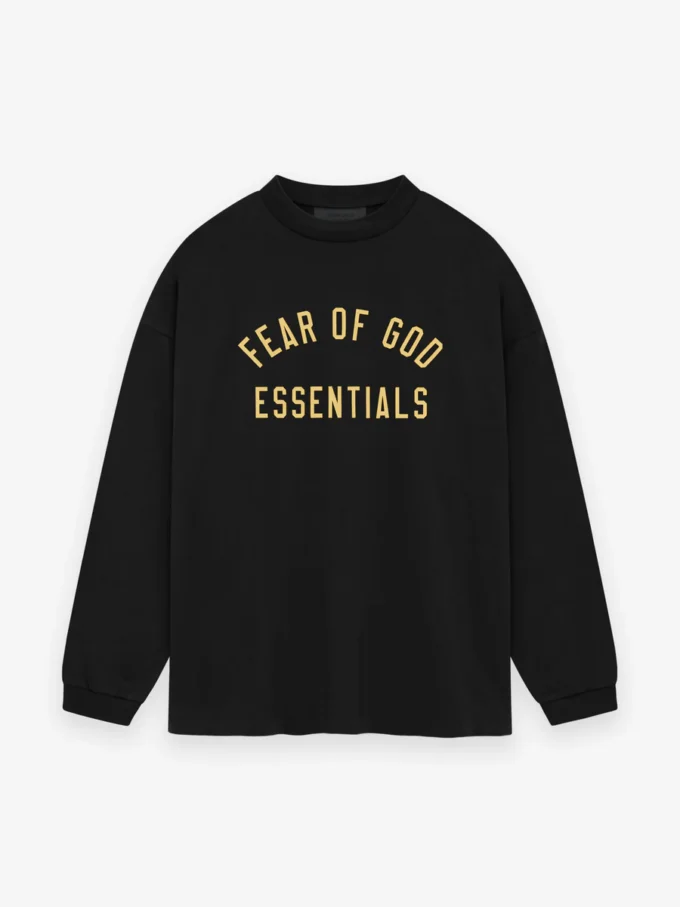
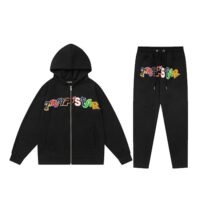
Layering provides an easy way to make an outfit more visually interesting while keeping it adaptable. Start with a basic shirt or top, then introduce an overshirt, jacket, cardigan, or hoodie depending on the weather. An Essentials Hoodie can work as a relaxed middle or outer layer when you want a comfortable streetwear-inspired appearance. Keep the colors connected and consider the length of each layer. Different textures and proportions can create depth, making even familiar clothing combinations feel more carefully styled.
Experiment With Proportions
Proportion can dramatically change how an outfit looks. Pairing an oversized top with straight or slightly tapered trousers can create balance, while wider pants may work better with a cleaner-fitting upper layer. You can also experiment with cropped jackets, longer shirts, and layered hems to introduce different visual lines. The goal is not to follow one fixed rule but to understand how garments interact. Once you become comfortable with proportions, simple clothing can produce much more distinctive outfits without requiring excessive accessories or decoration.
Build Around a Statement Piece
Choosing one central garment can make outfit planning much easier. A graphic shirt, unusual jacket, distinctive trousers, or recognizable footwear can become the focal point. Once that piece is selected, choose supporting items that are quieter in color and design. This prevents several strong elements from competing for attention. A focused outfit often feels more polished because the eye naturally moves toward one main feature. It also gives you a repeatable styling method that can be adapted to different garments and occasions.
Mix Textures for a Richer Look
Texture can create visual interest even when your color palette remains simple. Smooth cotton, heavier fleece, denim, knitwear, nylon, and structured fabrics can be combined to produce subtle contrast. For example, a textured outer layer can add depth to a plain cotton shirt, while denim can provide structure underneath softer fabrics. You do not need several patterns to make an outfit noticeable. Combining different materials can create dimension while keeping the overall appearance clean, wearable, and suitable for everyday settings.
Choose a Balanced Color Palette
Color coordination can make standout outfits appear more sophisticated. Begin with a neutral base and introduce one stronger shade if you want additional energy. Black and white provide an especially flexible foundation, while grey, navy, beige, and muted green can create softer combinations. Consider the visual weight of each color rather than simply matching everything. If one garment contains a bold graphic or bright shade, let the surrounding pieces remain relatively understated. This gives the outfit a clear structure and prevents unnecessary visual competition.
Make Footwear Support the Look
Footwear can either strengthen an outfit or disrupt its balance. Clean sneakers can complement relaxed clothing, while chunkier shoes can emphasize wider silhouettes and streetwear proportions. Consider the shape of your trousers when choosing shoes. Wide-leg pants may benefit from substantial footwear, whereas tapered trousers can work with sleeker options. The color matters too, especially when the rest of the outfit already includes noticeable details. Selecting footwear that supports the outfit’s proportions helps create a finished appearance from head to toe.
Add Accessories With Purpose
Accessories should enhance an outfit rather than distract from its main elements. A simple bag, cap, watch, sunglasses, or understated jewelry can provide a finishing detail. Instead of wearing several accessories at once, consider which one genuinely improves the combination. Useful styling choices include:
- Choose accessories that complement your outfit’s dominant colors.
- Use one noticeable accessory as a finishing point.
- Match the size of your bag or footwear with your clothing proportions.
- Keep additional logos or graphics limited when the outfit already has strong details.
This approach keeps accessories functional while still giving the overall look additional character.
Create Contrast Without Losing Balance
Contrast is one of the most effective ways to make clothing combinations memorable. You can contrast loose and fitted silhouettes, light and dark colors, or soft and structured materials. However, too much contrast can make an outfit appear disconnected. Think about creating one strong difference while keeping the remaining elements harmonious. For example, relaxed trousers can be balanced with a cleaner top and structured footwear. Controlled contrast gives your outfit energy while maintaining a clear visual relationship between individual pieces.
Make Everyday Pieces More Interesting
You do not need a completely new wardrobe to create standout looks. Everyday garments can become more distinctive through styling changes. Try tucking a shirt differently, rolling trouser hems, adding a lightweight outer layer, or changing your footwear. Small adjustments can alter the proportions and mood of familiar pieces. You can also rotate accessories to give repeated outfits a fresh appearance. This makes your wardrobe more versatile and encourages creativity without requiring constant purchases or complicated combinations.
Consider the Occasion
A standout outfit should still make sense for where you are going. A casual gathering may allow more relaxed silhouettes and expressive pieces, while a professional or formal environment usually requires greater restraint. Consider comfort, weather, and the expected dress level before finalizing your combination. You can maintain your personal style by adjusting individual elements instead of changing your entire aesthetic. For example, a distinctive top can remain while footwear and trousers become more polished. This creates flexibility without losing your individual fashion direction.
Styling Habits That Improve Your Outfits
Developing a consistent approach can make outfit creation much easier. Before leaving home, take a moment to check how the pieces work together from a distance. Look at proportions, color distribution, and whether one element is clearly acting as the focal point. Useful habits include:
- Remove one item if the outfit feels visually crowded.
- Check the fit of sleeves, trousers, and outer layers.
- Keep footwear appropriate for the silhouette.
- Photograph successful combinations for future inspiration.
These simple habits can help you understand what works for your wardrobe and gradually improve your styling decisions.
FAQ
How can I make a Comme Des Garcons outfit stand out?
Focus on one distinctive garment and combine it with simpler pieces. Interesting proportions, coordinated colors, suitable footwear, and carefully selected accessories can make the overall outfit memorable without making it look excessive.
Can bold pieces be worn with basic clothing?
Yes. Basic clothing often provides an effective background for distinctive garments. Simple trousers, plain tops, and understated footwear allow stronger design details to become the natural focal point.
Should I use multiple statement pieces?
You can, but using too many strong elements may make an outfit feel visually crowded. Starting with one main statement piece is a straightforward way to maintain balance.
How can I make an outfit look more modern?
Experiment with proportions, clean layering, contemporary footwear, and restrained accessories. Combining familiar garments in fresh ways can create a modern appearance without relying entirely on current trends.
Are neutral colors useful for standout outfits?
Yes. Neutral shades can create a strong foundation that allows distinctive shapes, graphics, textures, or accessories to receive more attention. They also make individual garments easier to combine across different outfits.