Microneedling treatment is a minimally invasive cosmetic procedure designed to improve skin texture, stimulate collagen production, and address common skin concerns. The treatment uses a device with fine, sterile needles to create controlled microscopic punctures in the skin. These tiny channels activate the body’s natural healing response, encouraging the production of collagen and elastin. If you are considering الوخز بالإبر الدقيقة في دبي, understanding the procedure, benefits, recovery, and suitability can help you make an informed decision.
How Does Microneedling Treatment Work?
Microneedling works by creating tiny, controlled injuries in the skin’s surface. These microscopic punctures are made using a specialized device that contains fine needles. The controlled process encourages the skin to repair itself and stimulate new collagen and elastin.
Collagen helps maintain the skin’s firmness and structure, while elastin supports flexibility. As the skin produces these proteins, its texture and appearance may gradually improve. The treatment does not remove the entire outer layer of skin, which is why it is often considered a minimally invasive option.
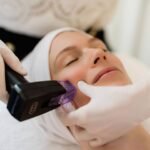
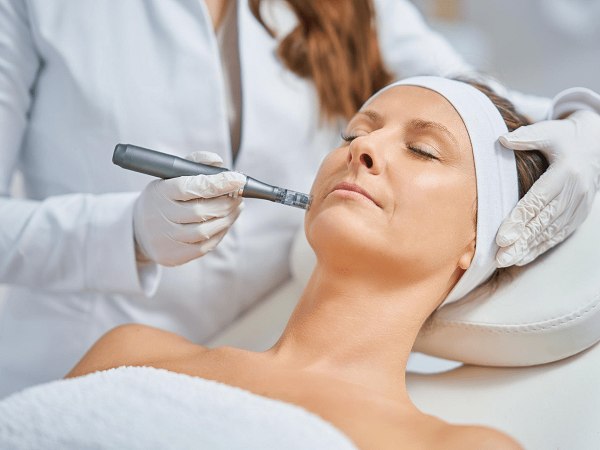
Before the procedure, a skincare professional evaluates the treatment area and discusses the patient’s concerns. A topical numbing cream may be applied to reduce discomfort. The practitioner then uses the microneedling device across the selected area, adjusting the technique according to the skin’s condition and treatment goals.
What Skin Concerns Can Microneedling Address?
Microneedling can be used for several cosmetic skin concerns. Its effectiveness depends on the severity of the condition, the individual’s skin characteristics, the technique used, and the number of sessions completed.
Common concerns addressed through microneedling include:
- Acne scars
- Uneven skin texture
- Fine lines and early wrinkles
- Enlarged pores
- Mild skin laxity
- Certain types of superficial scars
- Stretch marks in selected cases
- Dull or uneven-looking skin
Microneedling may help soften the appearance of acne scars by supporting collagen remodeling. However, different scar types respond differently, and deeper scars may require a combination of treatments or alternative procedures.
A qualified practitioner should examine the skin before recommending a specific approach.
What Are The Benefits Of Microneedling?
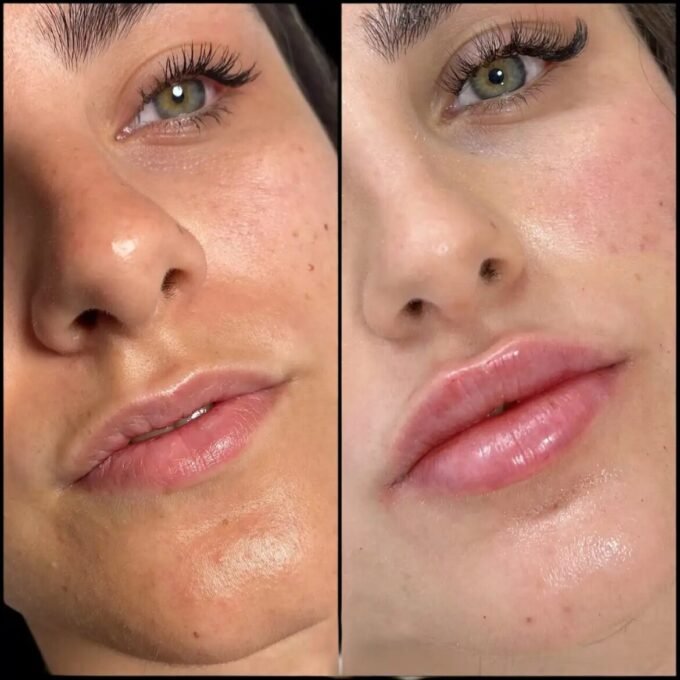
One of the main benefits of microneedling is its ability to support the skin’s natural collagen-production process. Over time, this may help improve the smoothness, firmness, and overall appearance of the treated area.
Other potential benefits include improved skin texture, a more refreshed appearance, and reduced visibility of certain scars and fine lines. Because the treatment creates small channels rather than removing a large amount of skin, recovery may be more manageable than with some deeper resurfacing procedures.
Microneedling can also be adapted to different skin concerns and treatment areas. The practitioner may adjust the needle depth and technique according to the patient’s needs.
Results are not immediate in every case. Collagen remodeling takes time, so improvements may develop gradually over several weeks or months.
Is Microneedling Suitable For Every Skin Type?
Microneedling may be suitable for many skin types when performed by a properly trained professional. However, suitability depends on the patient’s current skin condition, medical history, healing ability, and treatment objectives.
People with active skin infections, open wounds, uncontrolled inflammatory skin conditions, or certain healing problems may need to postpone or avoid treatment. Individuals who develop raised scars or have specific medical concerns should discuss these factors during the consultation.
A professional assessment is important before treatment. The practitioner can determine whether microneedling is appropriate and whether another procedure may be more suitable.
Patients should provide accurate information about medications, skincare products, previous procedures, and any history of unusual scarring.
What Happens During A Microneedling Session?
A typical session begins with a consultation and examination of the skin. The treatment area is cleansed carefully to reduce the risk of contamination. A topical numbing product may be applied, depending on the treatment area and the patient’s comfort needs.
Once the skin is prepared, the practitioner moves the microneedling device across the selected area in a controlled manner. The sensation may include mild prickling, warmth, or pressure. Comfort levels vary depending on individual sensitivity, needle depth, and the treatment area.
After the procedure, the skin may appear red or feel sensitive. The practitioner provides aftercare instructions to support recovery and reduce the possibility of irritation.
The length of a session depends on the size of the treatment area and the specific treatment plan.
What Is The Recovery Period Like?
After microneedling, temporary redness, mild swelling, sensitivity, dryness, or tightness may occur. These effects commonly improve as the skin recovers, although recovery varies from person to person.
Patients should follow the aftercare instructions provided by their practitioner. These may include avoiding excessive sun exposure, using gentle skincare products, and applying sun protection. Strong exfoliants, irritating active ingredients, and unnecessary touching of the treated area may need to be avoided temporarily.
The skin should be allowed to recover naturally. Patients should not pick, scratch, or aggressively exfoliate areas that are healing.
If unusual pain, significant swelling, worsening redness, discharge, or other concerning symptoms develop, the patient should contact a qualified healthcare professional.
How Many Microneedling Sessions Are Needed?
The number of sessions depends on the skin concern and the desired outcome. Some individuals may notice changes after an initial session, while acne scars, uneven texture, and other concerns may require a series of treatments.
Sessions are generally spaced apart to allow the skin time to recover and begin the remodeling process. A practitioner can recommend an appropriate interval based on the treatment intensity and the patient’s response.
Results may continue developing after each session because collagen production and skin remodeling take time. Maintaining realistic expectations is important, as microneedling may improve the appearance of scars and texture without completely removing every imperfection.
How Can You Prepare For Microneedling?
Preparation instructions vary according to the individual’s skin condition and the practitioner’s technique. Patients may be advised to avoid irritating skincare products or certain cosmetic procedures before treatment.
During the consultation, discuss any medications, active skincare ingredients, recent sun exposure, and previous aesthetic treatments. This information helps the practitioner plan the procedure safely.
Arriving with clean skin and following the clinic’s instructions can also support an appropriate treatment experience.
Frequently Asked Questions:
Is microneedling painful?
Microneedling may cause mild discomfort, prickling, or warmth. A topical numbing cream may be used to improve comfort, depending on the treatment plan.
Can microneedling remove acne scars completely?
Microneedling may reduce the appearance of some acne scars, but results depend on scar type, depth, skin condition, and treatment response. Complete removal cannot be guaranteed.
How quickly can results appear?
Some improvements may become noticeable after a session, but collagen remodeling generally takes time. More visible results may develop gradually over several weeks or months.
Can microneedling be combined with other treatments?
In some cases, microneedling may be combined with other procedures. The combination should be recommended by a qualified professional after assessing the patient’s skin and treatment goals.
Conclusion:
Microneedling treatment is a minimally invasive procedure that supports collagen production and may improve skin texture, fine lines, acne scars, and other cosmetic concerns. Its suitability and results depend on the patient’s skin condition, treatment technique, and aftercare. A professional consultation is essential for determining whether microneedling is appropriate and developing a personalized treatment plan. With realistic expectations and proper supervision, microneedling can be part of a comprehensive approach to improving skin appearance.