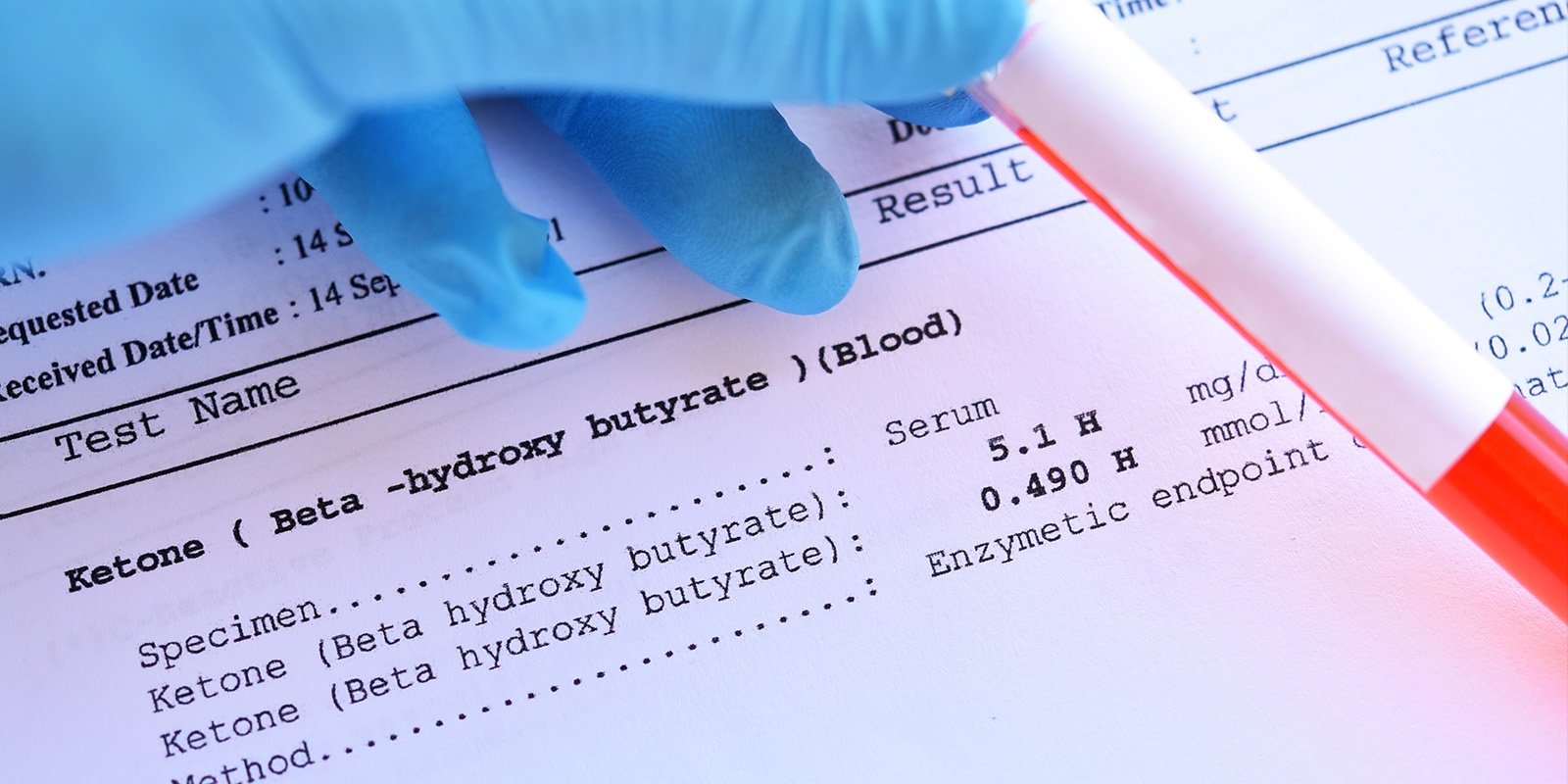
A bicarbonate blood test is a common laboratory investigation that helps assess the body’s acid-base balance and electrolyte status. It measures bicarbonate or total carbon dioxide in the blood, providing useful information about how the body maintains a stable internal chemical environment.
Bicarbonate Blood Test in Dubai plays a vital role in regulating blood acidity. It works alongside the lungs and kidneys to manage carbon dioxide, neutralize acids, and maintain a healthy balance between acids and bases. When bicarbonate levels are outside the laboratory’s reference range, the result may provide clues about metabolic changes, kidney function, respiratory conditions, or fluid and electrolyte disturbances.
Understanding your bicarbonate blood test results involves more than checking whether a number is high, low, or normal. The most meaningful interpretation considers other blood test results, symptoms, medical history, medications, and the reason the test was ordered.
What Should You Look for First on Your Bicarbonate Report?
When reviewing a bicarbonate blood test report, begin by identifying the exact test name and the laboratory’s reference range.
Depending on the laboratory, bicarbonate may appear under one of the following names:
-
Bicarbonate
-
Serum bicarbonate
-
CO2
-
Total carbon dioxide
On routine chemistry panels, the CO2 measurement is commonly used as an indicator of bicarbonate status because most of the measured total carbon dioxide is present in the form of bicarbonate.
Your report may also include sodium, potassium, chloride, creatinine, glucose, and anion gap. These measurements help doctors understand the bicarbonate result in context.
The laboratory’s own reference interval is the appropriate starting point. Reference ranges can vary depending on the testing method and laboratory, so an online range should not replace the range printed on your report.
Why Does Your Body Need Bicarbonate?
Bicarbonate is an important electrolyte and a major component of the body’s chemical buffering system.
Normal metabolism produces acids, and the body must continually regulate these substances to maintain an appropriate blood pH. Bicarbonate helps neutralize excess acids and limits sudden changes in acidity.
Three systems work together to maintain acid-base balance:
Chemical buffers: Bicarbonate and other buffering substances help respond quickly to changes in acidity.
The lungs: Breathing regulates carbon dioxide levels by controlling how much carbon dioxide is exhaled.
The kidneys: The kidneys help maintain bicarbonate levels and remove hydrogen ions, contributing to longer-term acid-base regulation.
Because these systems are closely connected, an abnormal bicarbonate level may reflect a change in metabolism, kidney regulation, breathing, or electrolyte balance.
What Does a Normal Bicarbonate Blood Test Result Mean?
A normal bicarbonate result generally means that the measured value falls within the reference interval established by the laboratory.
This is usually reassuring regarding the bicarbonate measurement itself. However, a normal result does not rule out every possible acid-base disorder or other medical condition.
For example, a person may still need additional testing if symptoms, medical history, or other laboratory findings suggest a problem with respiratory function, kidney regulation, or electrolyte balance.
A normal bicarbonate level should therefore be interpreted as one part of a broader health assessment rather than a complete evaluation of acid-base status.
What Does a Low Bicarbonate Level Mean?
A low bicarbonate level means that the measured concentration is below the laboratory’s reference range. Several different conditions can produce this finding.
Metabolic Acidosis:
One important possibility is metabolic acidosis, a condition in which the body has an excess of acid relative to its ability to buffer or remove it.
Bicarbonate may decrease as it helps buffer excess acid. Metabolic acidosis can occur in different clinical situations, including certain metabolic disorders and some kidney-related conditions.
However, low bicarbonate alone does not confirm metabolic acidosis. Blood pH, carbon dioxide levels, the anion gap, and other findings may be needed to determine what is happening.
Gastrointestinal Bicarbonate Loss:
Prolonged diarrhea can cause the body to lose bicarbonate through the gastrointestinal tract.
When this occurs, bicarbonate levels may fall, and other electrolytes can also become abnormal. Doctors may review fluid status, sodium, potassium, chloride, and kidney function when evaluating this pattern.
Kidney-Related Problems:
The kidneys play a central role in maintaining acid-base balance. Certain kidney disorders can affect the body’s ability to regulate bicarbonate or remove acids.
If bicarbonate is low, clinicians may examine creatinine, eGFR, urine findings, and other laboratory results to determine whether kidney function could be contributing.
Medication and Metabolic Effects:
Some medications can influence bicarbonate levels or affect the body’s acid-base regulation. Certain metabolic conditions can also contribute to low bicarbonate.
The cause cannot be established from bicarbonate alone, so medication history and other clinical findings are important.
What Does a High Bicarbonate Level Mean?
A high Bicarbonate Blood Test level means that the measured value is above the laboratory’s reference interval. This finding also has several possible explanations.
Metabolic Alkalosis:
One possibility is metabolic alkalosis, a condition involving a relative increase in bicarbonate or a loss of acid.
Persistent vomiting can contribute to metabolic alkalosis because it may lead to changes in acid and electrolyte balance. Certain fluid disturbances and medications may also be involved.
Doctors may assess chloride, potassium, kidney function, hydration, and other findings to investigate the cause.
Compensation for Respiratory Changes:
A high bicarbonate level may also occur when the body compensates for certain chronic respiratory conditions associated with elevated carbon dioxide.
When carbon dioxide remains elevated over time, the kidneys can retain more bicarbonate to help compensate for the associated acid-base disturbance.
In these situations, a blood gas test may provide additional information about blood pH and carbon dioxide levels.
Fluid and Medication Effects:
Changes in fluid balance and certain medications can influence bicarbonate concentrations.
The significance of a high result depends on the degree of elevation, associated electrolyte changes, symptoms, medical history, and other laboratory measurements.
How Can Other Blood Tests Help Explain Your Bicarbonate Result?
Bicarbonate is rarely interpreted in isolation. Other laboratory measurements can help doctors identify patterns that point toward different causes.
| Blood test | Why it matters |
|---|---|
| Sodium | Helps assess fluid and electrolyte balance |
| Potassium | Provides information about electrolyte regulation and muscle and nerve function |
| Chloride | Helps evaluate electrolyte balance and acid-base patterns |
| Creatinine | Provides information about kidney function |
| eGFR | Estimates how effectively the kidneys filter blood |
| Anion gap | Helps categorize certain metabolic acid-base disturbances |
| Glucose | Can provide clues about metabolic conditions |
These tests are often included in a basic metabolic panel or comprehensive metabolic panel, making it possible to assess bicarbonate alongside other important measurements.
What Is the Anion Gap, and Why Is It Important?
The anion gap is a calculation based on measured electrolytes, commonly sodium, chloride, and bicarbonate.
It helps clinicians investigate certain types of metabolic acidosis by identifying patterns that may reflect the presence of unmeasured substances in the blood.
For example, a low bicarbonate level with an increased anion gap may suggest a different underlying process from a low bicarbonate level associated with gastrointestinal bicarbonate loss.
The anion gap is not a diagnosis by itself. It is a tool used alongside symptoms, medical history, kidney function, and other laboratory findings.
Is a Bicarbonate Blood Test the Same as a Blood Gas Test?
No. Although both tests can provide information about acid-base balance, they measure different things.
A routine chemistry bicarbonate test usually reports bicarbonate or total carbon dioxide. A blood gas analysis measures parameters such as blood pH and the partial pressure of carbon dioxide. Depending on the analyzer, bicarbonate may also be calculated as part of the blood gas report.
Doctors may request an arterial blood gas or venous blood gas when they need a more detailed assessment of a suspected acid-base disturbance.
The choice depends on the clinical situation and the information required.
What Can Affect Your Bicarbonate Test Results?
Several factors may influence bicarbonate levels or help explain an abnormal result.
Medical conditions: Kidney disorders, metabolic disturbances, and respiratory conditions may affect acid-base regulation.
Gastrointestinal symptoms: Persistent vomiting or diarrhea can alter bicarbonate and electrolyte balance.
Medications: Certain medicines may influence kidney function, fluid balance, or acid-base status.
Hydration: Changes in body fluid volume can affect electrolyte concentrations and laboratory findings.
Clinical circumstances: Recent illness, treatment, and other medical factors may influence the interpretation.
Your healthcare professional may review these factors before deciding whether a repeat test or additional investigation is appropriate.
What Happens After an Abnormal Bicarbonate Result?
An abnormal bicarbonate result does not automatically mean that you need extensive testing. The next step depends on the degree of abnormality, symptoms, previous results, and other laboratory findings.
Your doctor may:
-
Review the laboratory’s reference interval.
-
Compare the result with previous measurements.
-
Examine sodium, potassium, chloride, and the anion gap.
-
Review creatinine and eGFR.
-
Consider symptoms, medications, and medical history.
-
Repeat the electrolyte panel if appropriate.
-
Request blood gas analysis when a more detailed acid-base assessment is needed.
This approach helps determine whether the result is temporary, persistent, or associated with a broader metabolic or respiratory disturbance.
When Should You Seek Medical Advice?
If your bicarbonate result is outside the reference range, discuss it with your healthcare professional, especially if you have other abnormal laboratory findings or ongoing symptoms.
Symptoms such as unusual weakness, persistent vomiting, changes in breathing, or unexplained fatigue may warrant medical evaluation because they can have many different causes.
Seek prompt medical attention for severe or rapidly worsening symptoms, including significant difficulty breathing, marked confusion, fainting, or persistent vomiting.
An abnormal bicarbonate level alone does not determine the urgency of a situation. The overall clinical picture matters.
Frequently Asked Questions About Bicarbonate Blood Test Results:
Is a low bicarbonate level always dangerous?
No. The significance depends on how low the result is, why it occurred, and whether other abnormalities or symptoms are present. A healthcare professional can determine whether further evaluation is needed.
Can a high bicarbonate level indicate kidney problems?
Kidney function can influence bicarbonate levels, but a high result does not automatically indicate kidney disease. Other causes, including metabolic alkalosis and respiratory compensation, may need to be considered.
Can dehydration affect bicarbonate levels?
Fluid changes may influence electrolyte concentrations and can occur alongside bicarbonate abnormalities. However, dehydration should not automatically be assumed to be the cause of an abnormal result.
Does a normal bicarbonate result mean everything is fine?
Not necessarily. A normal result provides information about bicarbonate status but does not evaluate every aspect of acid-base balance or overall health.
Final Takeaway:
The bicarbonate blood Lab tests is a useful tool for assessing acid-base balance and electrolyte regulation. Normal results generally indicate that bicarbonate falls within the laboratory’s reference interval, while high or low results may point toward metabolic, respiratory, kidney-related, gastrointestinal, medication-related, or fluid-balance changes.
The most accurate interpretation comes from considering bicarbonate alongside other electrolytes, the anion gap, kidney function, symptoms, medical history, and blood gas analysis when appropriate.
An abnormal result is a clue, not a diagnosis. Understanding the complete clinical picture helps healthcare professionals determine whether additional testing, monitoring, or treatment is necessary.