Liposuction is a cosmetic surgical procedure designed to remove localized deposits of fat and improve the contour of specific areas of the body. For people considering Liposuction Surgery in Oman, one of the most common questions is simple but important: which parts of the body can actually be treated?
The answer depends on several factors, including the location and amount of excess fat, skin elasticity, overall health, body proportions, and the individual’s desired outcome. Liposuction is generally intended for body contouring rather than general weight loss. It can be used on several areas, but not every area is suitable for the procedure, and treating more areas does not necessarily mean achieving a better result.
Understanding the potential treatment areas can help people approach a consultation with realistic expectations and more informed questions.
What Is Liposuction and What Does It Treat?
Liposuction, also called lipoplasty, uses a thin tube known as a cannula to remove unwanted subcutaneous fat through small incisions. The goal is to reshape selected areas rather than reduce overall body weight. It is generally considered for people who have relatively stable body weight but have localized fat deposits that remain despite healthy eating and physical activity.
The fat targeted by liposuction is located beneath the skin and above the muscles. This distinction matters because liposuction is not designed to remove visceral fat, which is stored deeper inside the abdomen around internal organs.
For someone researching Liposuction Surgery in Oman, it is useful to understand that the procedure may be considered for areas such as the abdomen, waist, hips, thighs, arms, back, buttocks, chin, neck, chest, calves and ankles. However, the suitability of a particular area has to be assessed individually.
Abdomen, Waist and Flanks
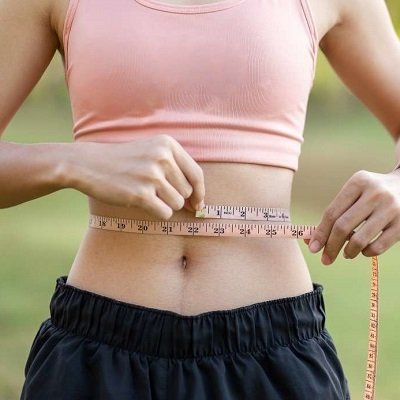
The abdomen is one of the most frequently discussed treatment areas. Some people have localized fat around the lower abdomen, upper abdomen or sides of the waist that does not respond easily to diet and exercise.
Liposuction may also address the flanks, often referred to as the “love handles” or “muffin top.” Treating the abdomen and flanks together may sometimes help create a more balanced waistline because these areas are visually connected.
However, liposuction does not automatically tighten loose abdominal skin. If someone has significant skin laxity, particularly after major weight loss or pregnancy, another type of procedure may be discussed during the consultation. Skin quality and elasticity have an important influence on how smoothly the treated area settles after surgery.
Hips, Thighs and Buttocks
The hips and thighs are other common areas where stubborn fat can accumulate. Liposuction may be used on the inner thighs, outer thighs and certain areas around the hips to improve body proportions.
Outer-thigh fat can create a wider appearance around the hips, while inner-thigh fat can cause the thighs to rub together. Treatment planning focuses on contour rather than simply removing as much fat as possible.
The buttocks can also be treated in selected circumstances, although expectations should be discussed carefully. Liposuction removes fat; it does not automatically lift or increase the size of the buttocks. A consultation is therefore important for determining whether the desired change is actually achievable with liposuction alone.
Arms, Back, Chest and Other Body Areas
Upper-arm liposuction may be considered when there is a localized accumulation of fat in the upper arms. The quality of the skin is especially important in this area because removing fat from skin with limited elasticity can leave some looseness.
Liposuction may also be used to contour portions of the back, including areas where fat gathers around the bra line or upper back. In some cases, the chest area may be treated as well. For men with excess breast tissue, liposuction can sometimes be part of treatment for gynecomastia, depending on the underlying cause and tissue composition.
Smaller areas can also be considered. These may include the inner knee, calves, ankles and other localized deposits, although not every person is anatomically suitable for treatment in these regions. The exact approach varies according to body structure and the type of fat present.
Chin and Neck Liposuction
The area beneath the chin and around the neck can sometimes be treated with liposuction when excess localized fat contributes to a less defined jawline.
This is a relatively small treatment area compared with the abdomen or thighs, but precision is particularly important because facial and neck contours are highly visible. Skin elasticity is again an important consideration. If loose skin is the primary concern rather than excess fat, removing fat alone may not provide the expected improvement.
For people considering Liposuction Surgery in Oman, a consultation should therefore distinguish between excess fat, loose skin and other causes of a less defined chin or neck profile.
How Is the Right Treatment Area Decided?
Choosing a treatment area is more than identifying where fat is present. A qualified surgical assessment generally considers overall health, body proportions, skin quality, medical history, medications and the person’s expectations.
The amount of fat that can safely be removed is also not unlimited. Treating larger body surfaces or combining multiple procedures can increase the risk of complications. Potential complications of liposuction include bleeding, infection, fluid accumulation, changes in sensation, contour irregularities, blood clots and, rarely, more serious complications.
Before surgery, patients should discuss their medical history and current medications with the surgical team. Depending on the individual situation, medical evaluation or laboratory testing may be recommended, and certain medications or supplements may need adjustment. Smoking and nicotine use can also interfere with healing.
Another important point is that liposuction is not a substitute for weight management. It is primarily a contouring procedure for localized fat. People should not expect it to treat obesity, eliminate cellulite or remove stretch marks.
What Should Patients Expect During Recovery?
Recovery varies depending on the number and size of treatment areas, the technique used, the person’s health and the extent of the surgery. Swelling, bruising and soreness are common during the early recovery period.
Compression garments are often recommended after surgery to help manage swelling and support the treated areas while they heal. Activity is usually restricted initially, with a gradual return to normal movement and exercise according to the surgical team’s instructions.
The appearance of the treated areas may change gradually. Early swelling can make it difficult to judge the final contour, and swelling may continue to improve over several weeks or months. For this reason, patients should avoid judging the final outcome too soon after surgery.
Maintaining a relatively stable weight after surgery is also important. Liposuction reduces the number of fat cells in a treated area, but remaining fat cells can still enlarge if significant weight is gained. Changes in body weight can therefore affect the overall contour over time.
Important Questions to Ask Before Liposuction Surgery in Oman
Anyone considering Liposuction Surgery in Oman can make the consultation more productive by preparing questions in advance. Useful questions may include:
-
Is the desired treatment area suitable for liposuction?
-
Is the excess volume caused primarily by fat, loose skin or another issue?
-
How many areas can reasonably be treated during one procedure?
-
What type of anesthesia will be used?
-
How long is the expected recovery period?
-
When can normal work and exercise be resumed?
-
Will compression garments be required?
-
What complications are associated with the proposed treatment?
-
How might existing medical conditions or medications affect the procedure?
-
What should be expected from the final contour and when can it reasonably be assessed?
These questions help shift the conversation away from simply asking how much fat can be removed and toward the more important issue of what can be achieved safely and naturally.
Frequently Asked Questions
1. Which areas of the body can be treated with liposuction?
Common treatment areas include the abdomen, waist, hips, thighs, buttocks, upper arms, back, chest, chin and neck. Calves, ankles and inner knees may also be considered in selected cases. Suitability depends on individual anatomy and the amount and location of subcutaneous fat.
2. Is liposuction a weight-loss treatment?
No. Liposuction is primarily a body-contouring procedure. It is intended to reduce localized fat deposits rather than provide general weight loss. A person considering surgery should discuss their weight, health and treatment goals during a medical assessment.
3. Can liposuction remove cellulite or stretch marks?
Liposuction is not considered a treatment for cellulite or stretch marks. It primarily removes localized subcutaneous fat. Skin quality and elasticity also affect the appearance of the treated area after surgery.
4. Can several body areas be treated during one operation?
Multiple areas may sometimes be treated during the same operation, but the decision depends on the patient’s health, the amount of fat involved and overall surgical safety. Larger treatment surfaces and multiple procedures can increase the risk of complications, so the surgical plan needs to be individualized.
5. How long does it take to see the results of liposuction?
Some changes may be noticeable as swelling decreases, but the final contour develops gradually. Swelling can take weeks or months to fully settle, so the treated area may continue to change during recovery.
6. Can fat come back after liposuction?
Liposuction permanently removes some fat cells from the treated area, but it does not prevent future weight gain. Remaining fat cells can enlarge when a person gains weight, and fat accumulation may occur in other parts of the body as well. Maintaining a stable weight can help preserve the contour achieved through surgery.
Liposuction can address several areas of the body, but choosing the right treatment area is an individualized medical decision. For people researching Liposuction Surgery in Oman, understanding the difference between localized fat, loose skin and overall weight can make the consultation more useful and help establish realistic expectations. The safest approach is to discuss medical history, treatment goals, potential risks and expected recovery with a suitably qualified surgical professional before deciding whether the procedure is appropriate.
Read More About Liposuction Surgery: https://linkmate.mn.co/posts/why-liposuction-is-considered-a-body-contouring-procedure