New shirts keep arriving in slightly different colours and prints, yet the same three outfits somehow survive every wardrobe update. That pattern says less about taste and more about how the clothes are actually being used.
Buying more men’s summer clothes rarely fixes this on its own. The real question is whether the pieces already owned are being limited by habit, fit, or simply never being tried in a different role.
Start by Asking What Each Piece Can Actually Do
A shirt gets treated as formal because that’s how it’s always been worn. Not because the fabric asked for it. Nobody actually tested the alternative.
Meanwhile another shirt sits in the weekend pile untouched for months, even though the cut would probably survive a dinner reservation just fine. It just never got the chance.
Forget sorting by shirts, jeans, trousers. Ask instead: how many different situations is each piece actually cleared to work in today?
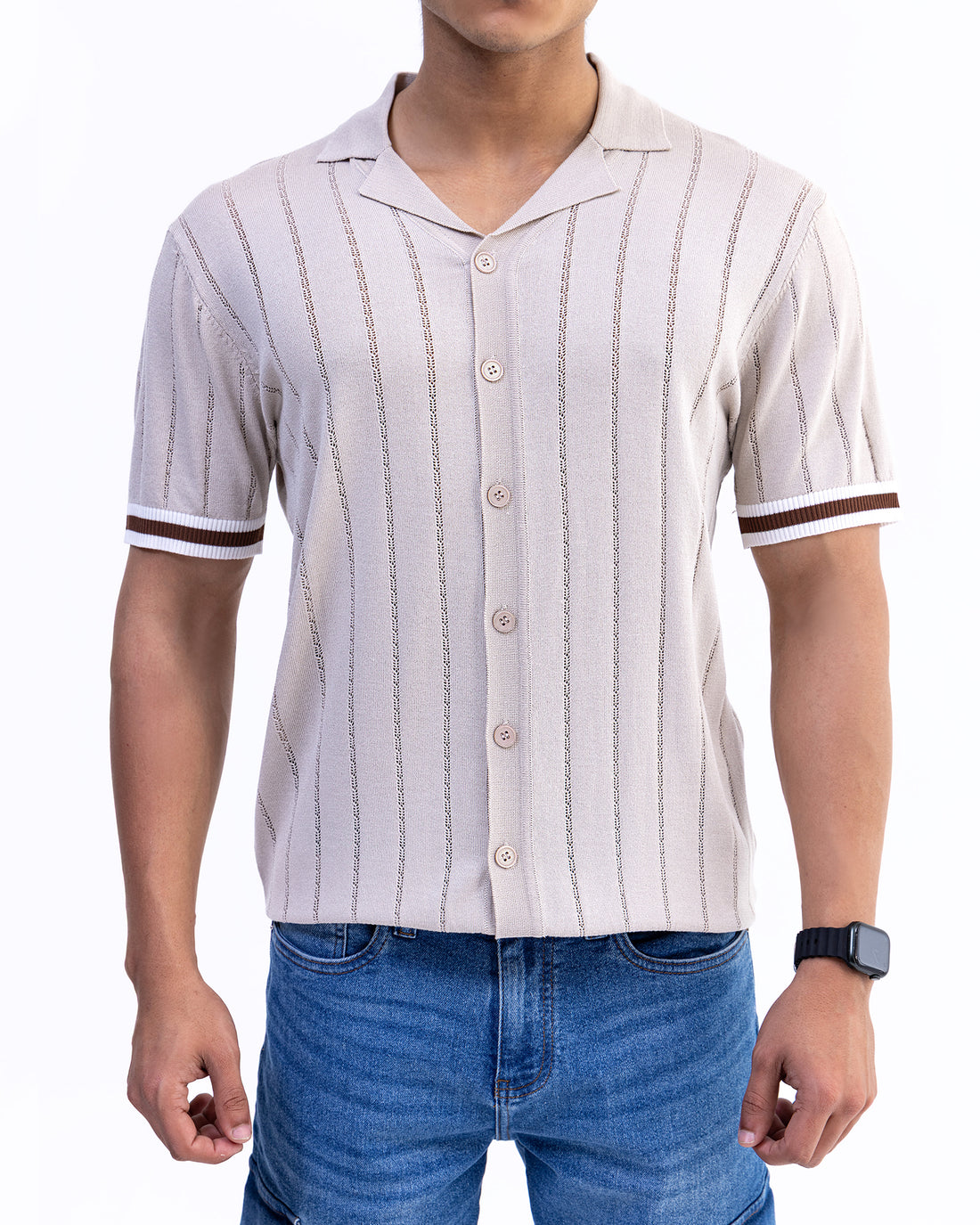
Five Shirts Are Not Five Options If They All Do the Same Job
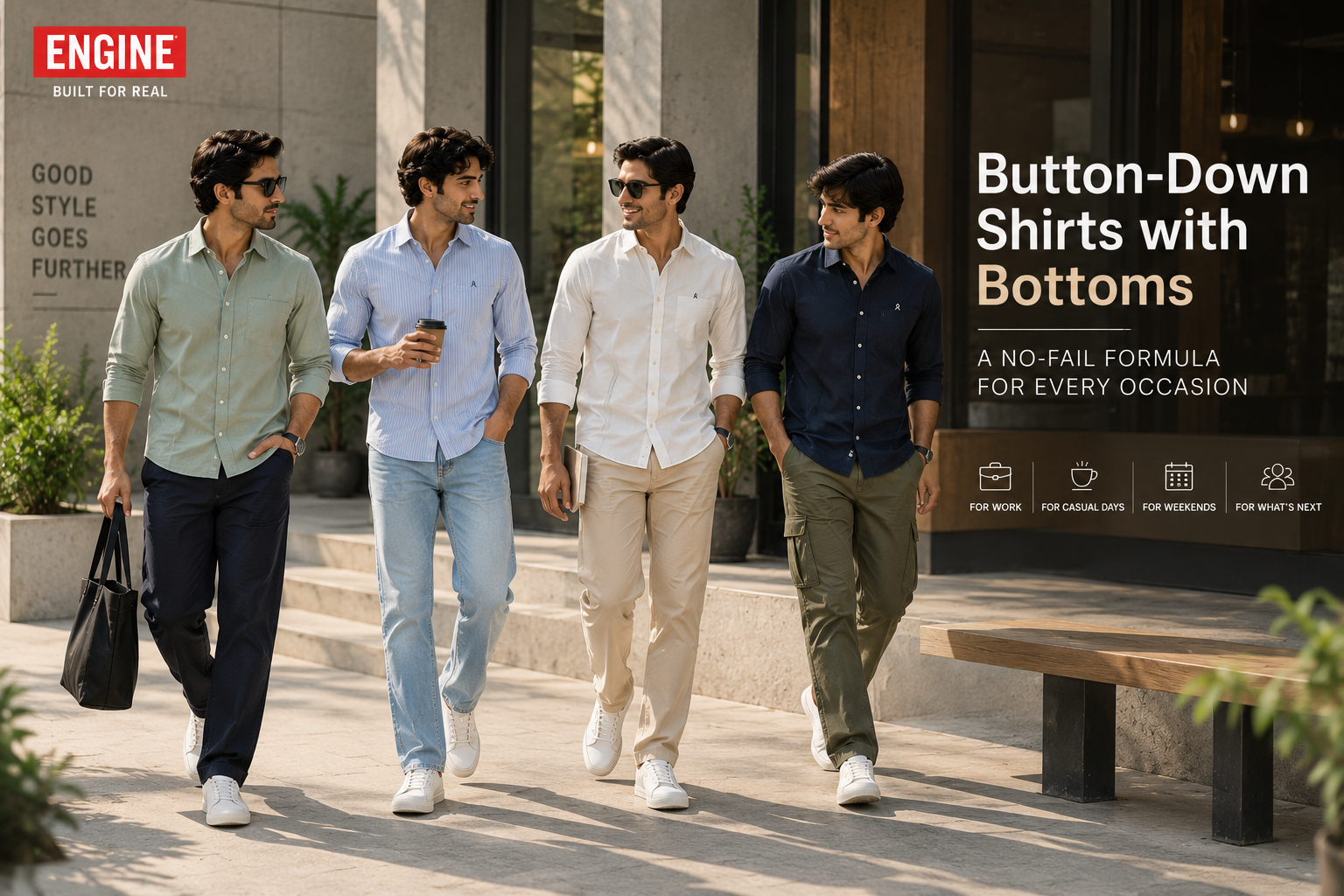
Five button down shirts for men in five colours can look like variety on a hanger. Usually it’s one shirt, worn one way, repeated five times with a new print.
A different collar changes a photo. It doesn’t change what the shirt gets invited to.
Three questions worth sitting with:
Where does this actually get worn? Where has it never once been considered? Is that the fabric’s fault, or just a habit that never got challenged?
Think in Occasion Range
Occasion range isn’t outfit planning. It’s asking how far one piece can stretch before it stops working, and most men never push past the first setting.
One Shirt Can Have More Than One Level of Formality
There’s no formality built into the fabric of a button-down. Tucked or open, sleeves rolled or buttoned to the wrist, straighter trousers underneath versus something looser. Small choices, and they do most of the work.
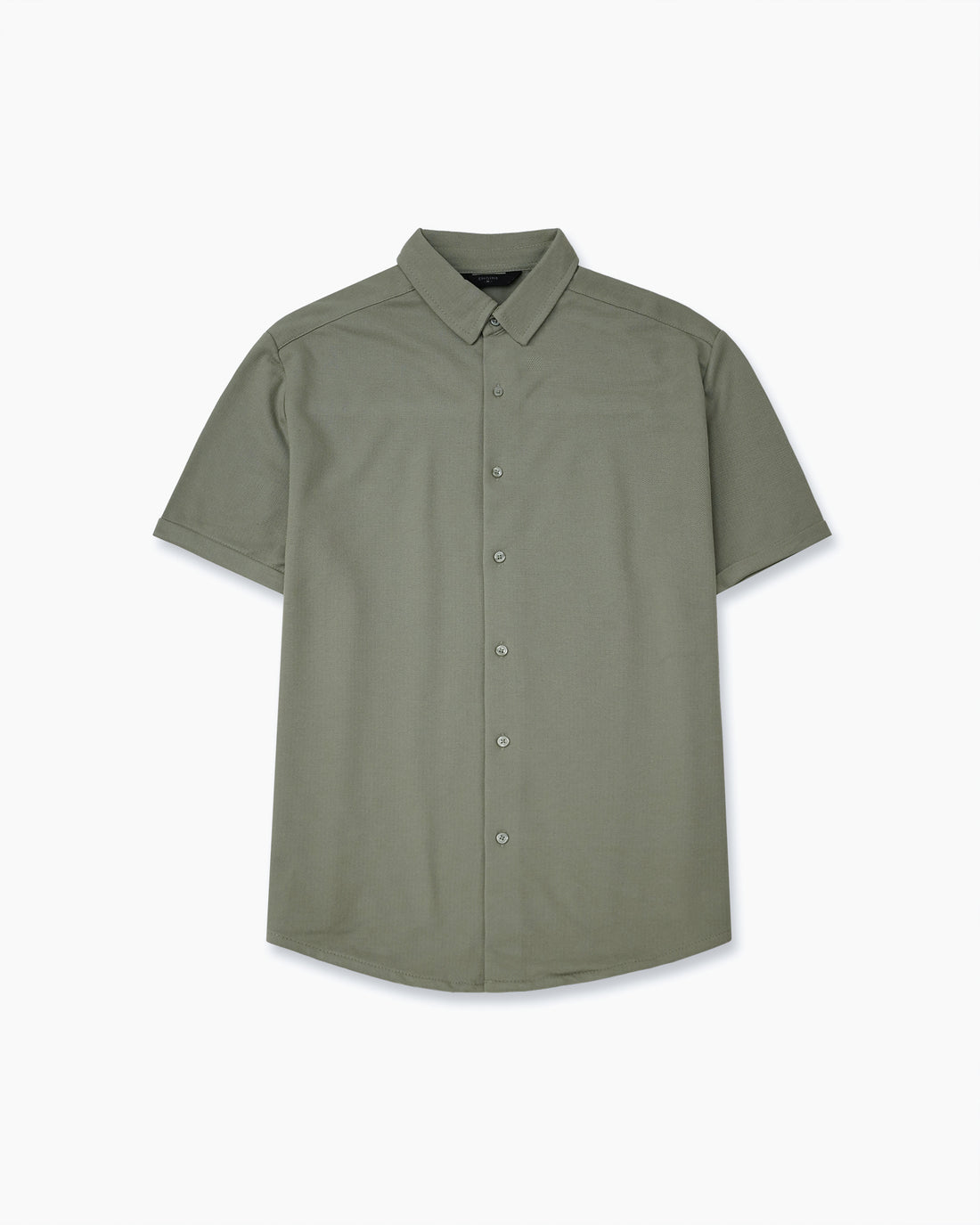
One mens button up shirt can genuinely read differently at a work lunch, a casual dinner, and a weekend outing. The range was already there. It just wasn’t being used.
Occasion Dressing Is Often About Moving One Step Up or Down
Most occasions need one adjustment, not a new outfit. Cleaner shoes. A tucked-in shirt. One layer removed. That’s usually enough to shift a look from relaxed to polished, and it costs nothing.
Some Clothes Need Fixing, Not Replacing
Fit gets blamed less than it should. A shirt that runs long only ever gets worn tucked in, and that alone caps how casual it can look no matter what fabric it’s made from.
Trousers that pool over the shoes have the same issue. Right material, wrong length, and the whole outfit reads sloppier than it should.
A Small Alteration Can Open Up Another Occasion
A tailor can fix more of this than most men budget for, and it’s usually cheaper than the next shirt. Shortening them. Tapering a sleeve. Cleaning up where the trouser breaks over the shoe.
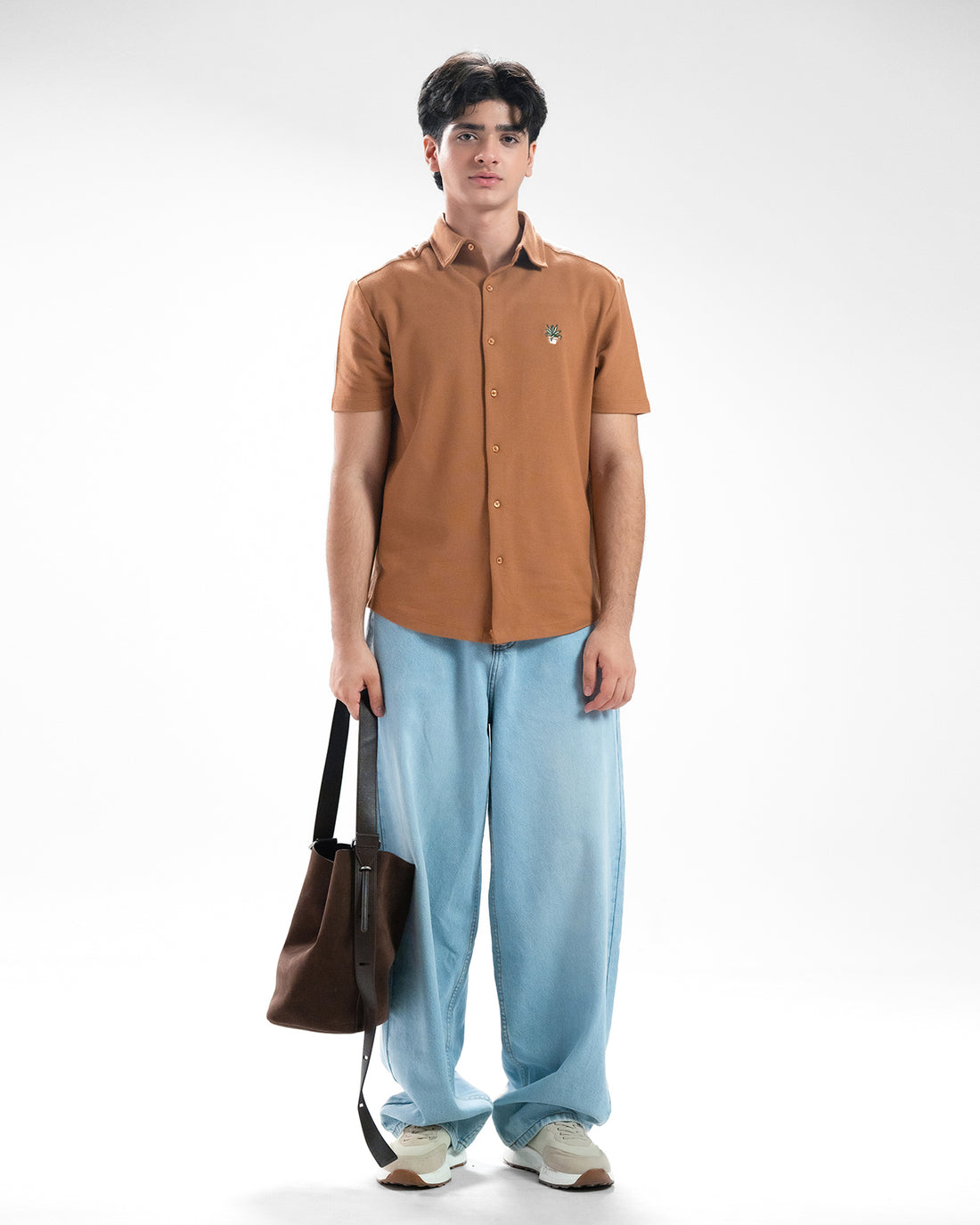
Summer shirts for men are typically sized around the chest alone, so sleeve and body length often need adjusting after the fact rather than before. That’s normal, not a defect.
The same goes for button down shirts pakistan retailers push hard every summer. Good colour and fabric only cover half of it. Fit decides whether something gets worn weekly, or once, then forgotten.
Find the Wardrobe Gap That Is Making Everything Repetitive
Shirts get bought because shirts are what catch the eye in a store. That’s the easy part.
The actual bottleneck usually sits one step away, somewhere less visible. Maybe every one of those shirts keeps getting paired with the same jeans, simply because nothing else in the closet earns the pairing.
Buy the Piece That Unlocks the Wardrobe
Before buying anything, count how many existing pieces it would actually make easier to wear. Under three, and it’s probably not solving anything real.
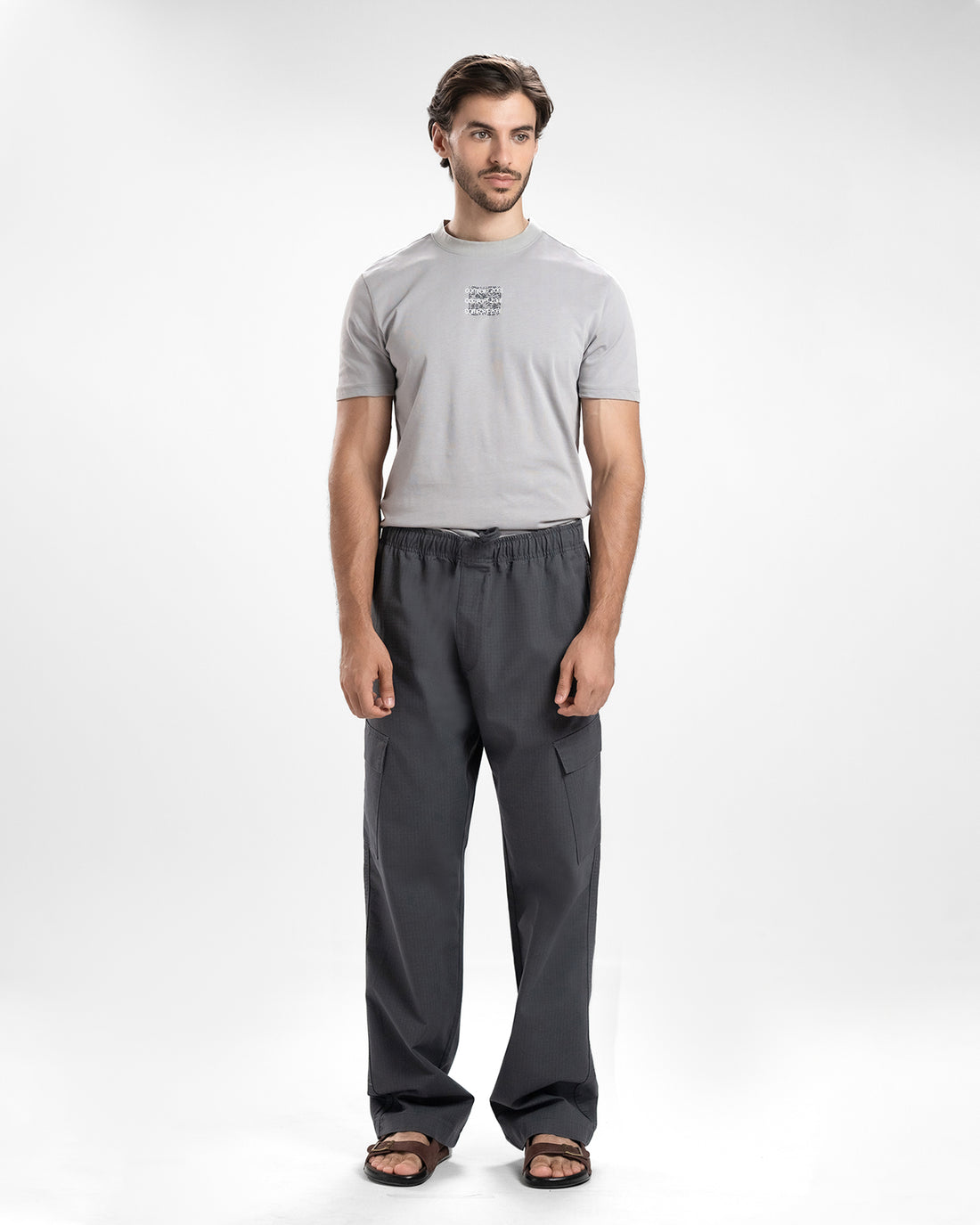
Cotton pants for men usually clear that bar, working with both structured shirts and looser summer pieces. Chino pants for men do something similar, sitting comfortably between formal trousers and denim without fully committing to either side.
Change the Silhouette Before You Decide the Clothes Are Old
Proportion gets blamed on the wrong thing constantly. A shirt over narrow jeans looks dated. The same shirt over trousers with a little more shape looks current again, and nothing about the shirt changed.
A relaxed top over something too fitted below the waist tends to feel off-balance, even when both pieces are fine on their own.
Men summer pants with a straighter leg fix this fast. So do summer jeans for men with slightly more structure than a skinny fit allows. Jeans for men in pakistan brands have mostly moved this direction already, which makes the swap easy rather than a hunt.
Use the Salvage, Support, Replace Test Before Shopping
Three categories, and most closets sort cleanly into them once you actually look.
Salvage: good piece, wrong fit or styling, fixable. Support: good piece, but nothing else in the wardrobe pairs with it properly yet. Replace: the fabric or cut has genuinely worn past saving, and no tailor changes that.
Run western clothes for men through this before the next shopping trip. Fewer things need replacing than it feels like. Most are just waiting on a role.
The Goal Is More Occasions
A full closet isn’t the same thing as a versatile one. One is about volume. The other is about how easily a smaller set of pieces moves between plans.
Casual outfits for men rarely come down to buying more. Usually it’s one alteration, one honest look at what’s overrepresented, and letting a familiar piece do something it hasn’t done before.