Facial redness can be more than a temporary cosmetic concern. For people with rosacea, the redness may come and go at first but can gradually become more noticeable and persistent. Some people also experience visible blood vessels, small bumps, burning, stinging, dryness, or increased sensitivity of the skin. Because several skin conditions can cause similar symptoms, getting the right diagnosis is an important first step.
Dermatologists in Muscat can assess persistent facial redness, identify possible triggers, and recommend treatment based on the type and severity of the condition. Rosacea is generally manageable, although it tends to be a long-term condition that may require ongoing skincare and treatment rather than a one-time solution.
Understanding how dermatologists approach rosacea can help individuals know what to expect before seeking professional advice.
What Is Rosacea and Why Does Facial Redness Occur?
Rosacea is a chronic inflammatory skin condition that most commonly affects the central areas of the face, including the cheeks, nose, chin, and forehead. It can affect people of different skin types and may develop gradually over time.
One of the earliest signs can be facial flushing. A person may notice that the face becomes red after exposure to heat, sunlight, emotional stress, exercise, spicy foods, or certain beverages. In some individuals, the redness eventually lasts longer and becomes more persistent.
Rosacea can appear in different forms. Some people mainly experience redness and flushing, while others develop acne-like bumps and pustules. Small visible blood vessels may also become noticeable. In some cases, the skin can become dry, rough, swollen, or unusually sensitive.
There is no single cause of rosacea. Researchers believe that a combination of genetic, environmental, vascular, immune-system, and skin-barrier factors may contribute to the condition.
A professional evaluation is useful because facial redness can also be associated with acne, eczema, contact dermatitis, sun damage, allergic reactions, or other dermatological conditions. Treating the wrong condition can delay improvement, which is why diagnosis matters.
How Dermatologists Diagnose Rosacea
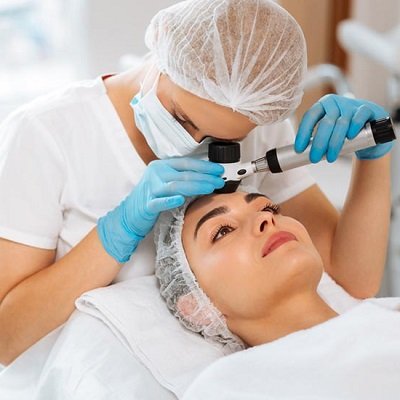
A dermatologist usually begins with a detailed examination of the skin. There is no single laboratory test that confirms every case of rosacea. Instead, diagnosis is generally based on the appearance of the skin, symptoms, medical history, and the pattern of redness or inflammation.
During an appointment, the dermatologist may ask when the redness first appeared and whether it is constant or comes and goes. Questions about skincare products, sun exposure, medications, diet, environmental conditions, and previous treatments may also be relevant.
The dermatologist may look for signs such as:
-
Persistent facial redness
-
Frequent flushing
-
Visible small blood vessels
-
Red or inflamed bumps
-
Pustules that resemble acne
-
Burning or stinging sensations
-
Dry or sensitive skin
-
Thickening of certain areas of the skin
-
Eye-related symptoms in people with possible ocular rosacea
Identifying personal triggers can also be part of the assessment. Keeping a simple record of flare-ups may help reveal patterns. For example, some individuals notice that their symptoms become worse during hot weather, after prolonged sun exposure, or following certain foods.
Because Muscat has a hot climate with substantial sunlight during much of the year, sun and heat management can be particularly relevant to people dealing with facial redness. However, triggers vary from person to person, so a dermatologist may recommend an individualized approach rather than asking every patient to avoid the same things.
Medical Treatments Dermatologists May Recommend
Treatment depends on the specific symptoms. Someone with occasional flushing may require a different strategy from someone who has persistent redness, inflammatory bumps, or visible blood vessels.
For rosacea involving bumps and pustules, dermatologists may recommend topical medications designed to reduce inflammation or control the microorganisms associated with inflammatory skin changes. Depending on the situation, oral medication may also be considered, particularly when symptoms are more widespread or difficult to control.
Some treatments are intended to temporarily reduce redness by affecting the blood vessels in the skin. These may be appropriate for selected patients and are generally used according to professional guidance.
It is important to understand that prescription treatment is not necessarily intended to make rosacea disappear permanently. The goal is often to reduce symptoms, control inflammation, minimize flare-ups, and improve the overall appearance and comfort of the skin.
Patients should also avoid assuming that an acne treatment is automatically suitable for rosacea. Some strong acne products can irritate sensitive skin and potentially make redness or burning more noticeable.
A dermatologist may adjust treatment over time depending on how the skin responds. If a particular medication causes excessive irritation, dryness, or other unwanted effects, the treatment plan may need to be modified.
Laser and Light-Based Treatments for Facial Redness
When visible blood vessels or persistent redness are a major concern, dermatologists may discuss laser or light-based procedures.
Certain vascular laser systems and intense pulsed light treatments can target blood vessels responsible for some forms of visible facial redness. The energy is absorbed by blood vessels, which can gradually make them less noticeable.
These procedures are not suitable for everyone, and results can vary according to skin type, the cause of redness, the extent of visible vessels, and the technology used. Several sessions may sometimes be recommended rather than expecting complete improvement after one treatment.
A professional assessment is particularly important before energy-based treatment because choosing inappropriate settings or treating an unsuitable skin condition can increase the risk of irritation, pigmentation changes, burns, or other complications.
After treatment, temporary redness, swelling, sensitivity, or discomfort may occur. The dermatologist will generally provide aftercare instructions, which may include careful sun protection and gentle skincare while the skin recovers.
Laser and light-based treatments may improve visible redness or vessels, but they do not necessarily prevent rosacea from returning. Long-term trigger management and skincare can therefore remain important after a procedure.
Skincare and Lifestyle Changes That Support Rosacea Treatment
Professional treatment works best when combined with a gentle daily skincare routine. People with rosacea often have sensitive skin, meaning harsh products can aggravate symptoms.
A simple routine may include a mild cleanser, a moisturizer designed for sensitive skin, and daily broad-spectrum sunscreen. Fragrance-free products may be easier for some people to tolerate.
Sun protection is especially important because ultraviolet exposure can contribute to flare-ups and skin damage. A broad-spectrum sunscreen with an appropriate sun protection factor should be applied regularly, particularly when spending time outdoors. Hats, shade, and limiting prolonged direct sunlight can provide additional protection.
Heat can also trigger flushing for some individuals. Hot showers, saunas, very hot environments, and strenuous exercise may cause symptoms in susceptible people. This does not mean physical activity needs to be avoided. Instead, individuals may benefit from identifying their personal limits and keeping the body cool during exercise.
Other commonly reported triggers can include spicy foods, hot drinks, alcohol, emotional stress, and sudden changes in temperature. However, not everyone reacts to the same triggers.
Rather than following an unnecessarily restrictive lifestyle, people can keep a trigger diary and discuss recurring patterns with a dermatologist. This approach can make it easier to distinguish genuine triggers from unrelated events.
Another important point is avoiding aggressive exfoliation. Scrubs, abrasive brushes, strong acids, and other irritating products may worsen sensitive facial skin. Introducing several new skincare products at once can also make it difficult to determine which product is causing irritation.
When Should Someone See a Dermatologist for Facial Redness?
Occasional facial flushing is common, but persistent or worsening redness deserves professional attention, especially when it is accompanied by bumps, burning, visible blood vessels, swelling, or discomfort.
People may also benefit from dermatological evaluation when over-the-counter skincare products have not helped or when a suspected rosacea flare keeps returning.
A dermatologist can help distinguish rosacea from other conditions that may look similar. This is particularly useful when redness develops suddenly, spreads to unusual areas, becomes painful, or is associated with other symptoms.
Eye symptoms should also be taken seriously. Rosacea can sometimes affect the eyes and eyelids, causing dryness, irritation, redness, sensitivity to light, or a gritty sensation. Anyone experiencing significant eye symptoms should seek appropriate medical assessment.
The earlier a persistent skin problem is evaluated, the easier it may be to develop a practical management strategy. Treatment can address both current symptoms and factors that contribute to repeated flare-ups.
For individuals searching for Dermatologists in Muscat, choosing professional dermatological care can provide a structured approach to understanding persistent facial redness rather than relying solely on trial-and-error skincare.
What to Expect From Long-Term Rosacea Management
Rosacea is usually considered a chronic condition, so successful management often focuses on control rather than a permanent cure. Symptoms can improve significantly with the right combination of treatment, skincare, and trigger management, but flare-ups may still occur.
A dermatologist may recommend follow-up appointments to determine whether treatment is working and whether changes are necessary. Patients should communicate openly about improvements, side effects, and any new symptoms.
Consistency is often more useful than constantly changing products. A gentle skincare routine, regular sun protection, awareness of personal triggers, and adherence to prescribed treatment can all support better control.
It is also worth remembering that every case is different. One person’s successful treatment routine may not work for another person, particularly when skin sensitivity, pigmentation, environmental exposure, or the type of rosacea differs.
The most appropriate treatment plan is therefore one that is based on an individual’s symptoms and skin condition. Professional guidance can help prevent unnecessary irritation and ensure that treatment targets the actual cause of the redness.
Frequently Asked Questions About Rosacea and Facial Redness
1. Is rosacea a permanent skin condition?
Rosacea is generally considered a long-term condition, which means it can return even after symptoms improve. However, appropriate treatment and lifestyle measures can help control redness, inflammation, and flare-ups. Many people manage their symptoms effectively with a consistent long-term plan.
2. Can rosacea be completely cured?
There is currently no guaranteed permanent cure for rosacea. Treatment is generally focused on controlling symptoms and reducing flare-ups. Depending on the type of rosacea, medications, skincare, trigger management, and certain procedures may help improve its appearance and comfort.
3. Does sunlight make rosacea worse?
Sun exposure is a common trigger for many people with rosacea. Ultraviolet radiation can also contribute to general skin damage. Regular broad-spectrum sunscreen, protective clothing, shade, and sensible sun exposure can help reduce the impact of sunlight on sensitive facial skin.
4. Can people with rosacea use skincare products?
Yes. People with rosacea can usually maintain a skincare routine, but gentle products are generally preferable. Mild cleansers, suitable moisturizers, and sunscreen may be helpful. Products containing strong fragrances, harsh exfoliants, or other irritating ingredients may cause problems for sensitive skin.
5. Are laser treatments effective for facial redness?
Certain laser and light-based treatments can reduce the appearance of visible blood vessels and some types of persistent redness. Results depend on the individual and the underlying cause of redness. A dermatologist can determine whether a particular procedure is appropriate and explain expected benefits and possible risks.
6. When should someone seek professional help for facial redness?
Professional evaluation is worth considering when facial redness is persistent, repeatedly returns, becomes more noticeable, or occurs with bumps, burning, visible blood vessels, swelling, or eye symptoms. A dermatologist can determine whether rosacea is responsible or whether another skin condition may be involved.
Read More About Dermatologists in Muscat: https://linkmate.mn.co/posts/dermatologists-share-the-best-habits-for-healthier-skin