Botox injections have become a widely recognized cosmetic treatment for people who want to soften the appearance of certain facial lines without undergoing surgery. While the treatment is often discussed casually, a professional Botox procedure involves much more than simply receiving a few injections. Understanding how Botox works, what it can treat, what the appointment involves, and what results can realistically be expected can help patients make informed decisions.
Botox Injections is a purified form of botulinum toxin type A. When carefully injected into selected muscles, it temporarily reduces muscle activity. This can soften dynamic wrinkles—lines that develop partly because of repeated facial movements such as smiling, frowning, or squinting. Botox injections may also have certain medical applications, depending on a patient’s individual needs and the provider’s qualifications.
Because every person’s facial structure, muscle activity, skin condition, and treatment goals are different, Botox should always be approached as an individualized procedure. A qualified healthcare provider can assess the treatment area and determine whether Botox is appropriate.
What Are Botox Injections and How Do They Work?
Botox injections work by temporarily interfering with the nerve signals responsible for muscle contraction. When the targeted muscle receives less of this signal, it becomes less active. As a result, the overlying skin may appear smoother, particularly in areas where repeated muscle movement has contributed to wrinkles.
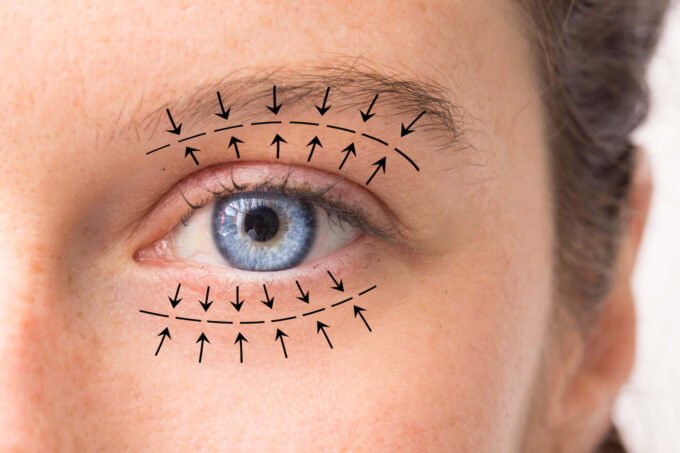
Botox is commonly associated with facial areas such as the forehead, between the eyebrows, and around the outer corners of the eyes. These areas are sometimes referred to as dynamic wrinkle zones because facial expressions contribute significantly to the formation of lines.
The treatment does not permanently remove wrinkles or stop facial expressions altogether. Instead, when administered appropriately, it can reduce excessive muscle movement while allowing the face to maintain a natural appearance.
The effects are temporary because nerve activity gradually returns. This means that Botox injections are not a one-time permanent solution. Patients who want to maintain their results may require follow-up treatments according to their provider’s recommendations.
Why Do People Choose Botox Injections?
People consider Botox injections for different reasons. Some may be bothered by forehead lines that become more noticeable when raising the eyebrows, while others may want to reduce frown lines between the eyebrows or fine lines near the eyes.
One of the main attractions of Botox is that it is minimally invasive compared with surgical cosmetic procedures. Treatment typically involves a series of small injections rather than incisions or extensive downtime.
However, expectations are important. Botox is particularly useful for wrinkles associated with muscle movement, but it is not designed to address every type of skin aging. Wrinkles caused primarily by changes in skin texture, sun damage, loss of facial volume, or significant skin laxity may require a different approach.
A consultation allows a provider to distinguish between these concerns and explain which treatment options may be suitable.
Botox may also be used for certain medical purposes. Depending on the patient’s condition, botulinum toxin treatments can be used in areas beyond cosmetic wrinkle reduction. Medical applications may include certain muscle-related conditions and other conditions for which the treatment has been appropriately approved or recommended.
What Happens During a Botox Treatment?
A Botox appointment generally begins with an assessment rather than immediately moving to injections. The provider may ask about the patient’s medical history, medications, allergies, previous cosmetic treatments, and desired outcome.
The treatment area is then examined to evaluate muscle movement and facial anatomy. This assessment is important because Botox placement needs to be tailored to the individual rather than based solely on a standard injection pattern.
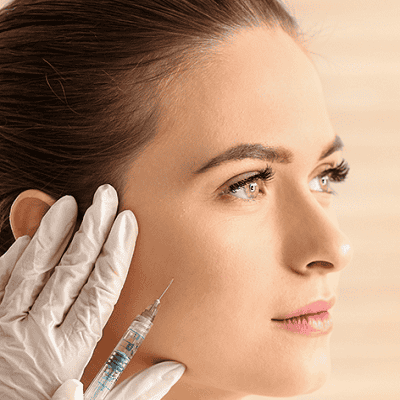
During the procedure, a very fine needle is used to deliver small amounts of Botox into selected muscles. Most patients describe the injections as brief pinches or mild stings. The number of injections depends on the treatment area and the patient’s specific needs.
The appointment is usually relatively short, although the exact duration can vary.
One of the most important points providers want patients to understand is that more Botox does not necessarily mean better results. Appropriate dosing and accurate placement are essential for achieving a balanced appearance. Excessive treatment can potentially produce an overly restricted or unnatural facial expression.
For this reason, choosing a properly qualified and experienced healthcare professional is an important part of the process.
How Long Does Botox Take to Work?
Botox results are not usually immediate. Some people may begin noticing changes within a few days, but the full effect generally develops over a longer period as the treatment takes effect.
The duration of results varies from person to person. Muscle strength, metabolism, treatment area, dosage, individual anatomy, and other factors can influence how long the effects last.
Patients should therefore avoid judging the final result immediately after treatment. A provider may recommend waiting for an appropriate period before evaluating the outcome or considering whether any adjustment is necessary.
Several factors can also influence the longevity of Botox results. Individual response is one of the most important. The treated area and the strength of the underlying muscles can also make a difference.
Regular treatments may be considered by people who are satisfied with Botox, but the appropriate timing should be determined with a qualified provider rather than following a fixed schedule without professional guidance.
What Should Patients Know Before and After Botox?
Preparation and aftercare are important parts of a successful Botox experience. Before treatment, patients should provide their healthcare provider with complete information about medications, supplements, medical conditions, allergies, previous procedures, and any history of reactions to botulinum toxin products.
Certain medications and supplements may affect bruising or bleeding risk, so patients should never stop prescribed medication simply to prepare for Botox. Instead, medication-related questions should be discussed with the prescribing healthcare professional or treatment provider.
After Botox injections, patients may experience temporary redness, swelling, tenderness, or small bumps at the injection sites. Mild bruising can also occur.
Providers may give specific instructions about activities immediately following treatment. Following those instructions can help minimize unnecessary irritation and support a smooth recovery.
Patients should also understand that Botox is a medical procedure, even when performed for cosmetic reasons. Although complications are uncommon when the treatment is properly administered, side effects can occur.
Rare but potentially serious symptoms require prompt medical attention. These may include significant difficulty swallowing, breathing problems, widespread muscle weakness, or other unusual symptoms following treatment. Anyone experiencing concerning symptoms should seek medical advice promptly.
How Can Someone Choose the Right Botox Provider?
Selecting a qualified provider is one of the most important decisions a patient can make before receiving Botox injections.
A reputable provider should have appropriate medical training, understand facial anatomy, and be experienced in administering botulinum toxin. Patients can ask about the provider’s qualifications, experience with the specific treatment area, and approach to achieving natural-looking results.
A good consultation should also involve questions from the patient. A provider should be willing to explain the expected benefits, limitations, potential risks, alternatives, and aftercare instructions.
Patients should be cautious of treatments that are promoted primarily because they are unusually cheap or available without proper medical assessment. Botox should not be treated like an ordinary beauty service simply because the procedure is quick.
Another useful consideration is communication. A trustworthy provider should listen to the patient’s goals rather than automatically recommending extensive treatment. The objective should be an appropriate and individualized outcome—not simply using as much product as possible.
A thoughtful consultation can also help determine whether Botox is actually the right option. In some cases, another cosmetic or medical treatment may be more appropriate for the patient’s concerns.
Frequently Asked Questions About Botox Injections
1. Are Botox injections painful?
Botox injections are generally well tolerated. Because the needles used are very fine, most people experience only brief pinching or stinging during the procedure. The level of discomfort can vary depending on the individual and the treatment area.
2. How long do Botox injections last?
The effects of Botox are temporary and vary from person to person. Many patients experience results for several months, but the duration can depend on factors such as the treatment area, muscle activity, dosage, and individual response. A provider can give a more personalized expectation after an assessment.
3. When do Botox results become noticeable?
Botox does not usually produce its full effect immediately. Changes may begin to appear within several days, with results developing progressively afterward. Patients are generally advised to allow enough time for the treatment to take effect before evaluating the final outcome.
4. Can Botox make the face look unnatural?
Botox does not inherently create an unnatural appearance. Results depend greatly on the treatment plan, injection technique, dosage, facial anatomy, and provider experience. Conservative and carefully placed injections can help preserve natural facial movement while reducing the appearance of targeted wrinkles.
5. Is there downtime after Botox injections?
Botox typically involves little downtime compared with surgical procedures. Some patients may experience temporary redness, swelling, tenderness, or bruising around the injection sites. A provider can provide individualized aftercare instructions and explain when normal activities can be resumed.
6. Is Botox suitable for everyone?
No cosmetic treatment is appropriate for everyone. Suitability depends on factors such as overall health, medical history, medications, allergies, pregnancy or breastfeeding considerations, treatment goals, and the area being treated. A qualified healthcare provider should assess the individual before treatment and discuss whether Botox is appropriate.
Botox injections can be a useful option for temporarily reducing the appearance of certain expression-related wrinkles, but informed decision-making is essential. Understanding what Botox can and cannot do, having realistic expectations, choosing a qualified provider, and following professional guidance can all contribute to a safer and more satisfactory experience.
Read More About Botox Injections: https://linkmate.mn.co/posts/when-will-you-see-results-from-botox-injections