Acne-prone skin often needs a careful balance between keeping pores clear and protecting the skin barrier. Too much oil, dead skin buildup, harsh scrubbing, or aggressive treatments can contribute to clogged pores and irritation. For people exploring professional skincare options, HydraFacial Treatment in Muscat has become an appealing choice because it combines cleansing, exfoliation, extraction, and hydration in one non-invasive procedure.
But is a HydraFacial actually good for acne-prone skin? The answer depends on the type and severity of acne, the skin’s sensitivity, and how the treatment is customized. A HydraFacial may help improve the appearance of clogged pores, uneven texture, dullness, and mild congestion, but it should not automatically be considered a replacement for medical acne treatment.
What Is a HydraFacial?
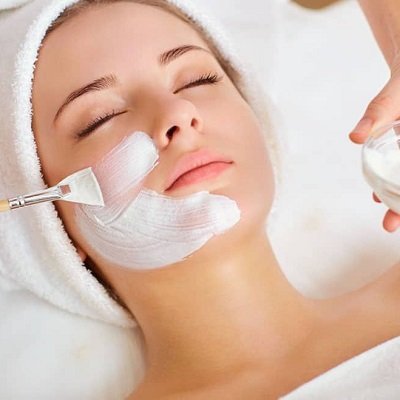
A HydraFacial is a non-invasive skin resurfacing treatment designed to cleanse, exfoliate, extract impurities, and infuse the skin with hydrating and antioxidant ingredients. The procedure generally uses a specialized handheld device to perform several steps in sequence.
The treatment commonly involves:
- Cleansing and preparation of the skin
- Gentle exfoliation to remove surface dead skin cells
- A chemical exfoliation step
- Pore cleansing and extraction
- Infusion of hydrating or antioxidant ingredients
Medical aesthetic centers may customize the treatment according to individual skin concerns. Cleveland Clinic describes HydraFacial as a three-in-one service involving exfoliation, extraction, and serum infusion, with ingredients such as antioxidants and hyaluronic acid used during the process. Cleveland Clinic
For acne-prone skin, the extraction and exfoliation components can be particularly relevant because clogged pores are an important factor in acne development. When oil, dead skin cells, and other material accumulate inside pores, blackheads, whiteheads, and pimples can develop. Cleveland Clinic
How Can HydraFacial Benefit Acne-Prone Skin?
One of the main reasons people consider HydraFacial Treatment in Muscat for acne-prone skin is its ability to combine pore cleansing with exfoliation and hydration.
Helps Remove Surface Buildup
Dead skin cells can accumulate on the surface of the skin and contribute to congestion. Gentle exfoliation can help remove this buildup and leave the skin feeling smoother.
Chemical exfoliating ingredients may also help loosen dead skin cells. For example, salicylic acid is a beta hydroxy acid that can penetrate oil-rich pores and help remove material that contributes to clogging. Cleveland Clinic
Supports Pore Cleansing
The extraction component may help remove certain types of congestion, particularly blackheads and whiteheads. Professional extraction is generally preferable to squeezing blemishes at home because picking or popping pimples can injure the skin and increase the risk of irritation or marks. Cleveland Clinic
Provides Hydration
Acne-prone skin is not necessarily the same as oily skin, and oily skin can still become dehydrated. Overusing drying products may weaken the skin barrier and cause additional irritation.
HydraFacial treatments often include hydrating ingredients such as hyaluronic acid. Maintaining appropriate hydration can help the skin feel more comfortable after exfoliation and extraction.
Improves the Look of Skin Texture
Acne does not only affect pores. Repeated breakouts can leave the skin looking rough, uneven, or dull. A carefully performed exfoliation treatment may temporarily improve the appearance and feel of the skin by removing superficial dead cells.
However, people should have realistic expectations. A HydraFacial may improve the appearance of the skin, but it does not necessarily treat the underlying causes of persistent or severe acne.
Is HydraFacial Suitable for Every Type of Acne?
This is where professional assessment becomes important. Not every person with acne will be an ideal candidate for the same facial treatment.
HydraFacial may be more appropriate for people experiencing:
- Mild congestion
- Blackheads and whiteheads
- Oily or combination skin
- Dull complexion
- Uneven-looking texture
- Occasional breakouts
People with significant inflammatory acne, painful nodules, cystic acne, open sores, or severely irritated skin may need a different approach. In such situations, additional exfoliation or extraction could potentially aggravate already-inflamed skin.
A skin professional can determine whether the procedure should be modified, postponed, or replaced with another treatment. Acne that is painful, infected, or filled with pus should also be evaluated by a qualified healthcare professional rather than managed only with cosmetic treatments. Cleveland Clinic
It is also important to understand that HydraFacial is generally better viewed as a supportive skincare treatment rather than a complete acne treatment plan. Persistent acne may require evidence-based therapies such as topical retinoids, benzoyl peroxide, salicylic acid, azelaic acid, or other treatments selected according to the individual case. Cleveland Clinic
What Should Someone Expect During HydraFacial Treatment in Muscat?
A typical session is designed to be comfortable and relatively gentle compared with more aggressive resurfacing procedures. The exact process can vary depending on the equipment, products, and treatment plan.
The skin is generally cleansed first. Exfoliation then helps remove superficial buildup. A specialized device can be used to cleanse and extract impurities from the pores. Finally, hydrating or antioxidant ingredients may be applied to replenish the skin.
One advantage of this approach is that several skincare steps can be combined into a single session. Cleveland Clinic describes HydraFacial as a non-invasive resurfacing treatment involving exfoliation, chemical peeling, extraction, and infusion, with no significant downtime generally associated with the procedure. Cleveland Clinic
That does not mean every person will experience exactly the same response. Sensitive skin may experience temporary redness, tightness, or irritation, particularly when exfoliating ingredients are used. Treatment intensity should therefore be adjusted according to the skin’s condition.
How to Prepare for and Care for Acne-Prone Skin After a HydraFacial
Good preparation and aftercare can make a professional facial more comfortable and help reduce unnecessary irritation.
Before HydraFacial Treatment in Muscat, individuals should tell the treatment provider about current skincare products, medications, recent procedures, allergies, active skin conditions, and any history of sensitivity. This is particularly important for people using strong exfoliating products or prescription acne treatments.
After the procedure, a simple routine is usually preferable. The skin may not need multiple active ingredients immediately after treatment. A gentle cleanser, suitable moisturizer, and broad-spectrum sunscreen can help support the skin barrier.
Sun protection is particularly important when exfoliating acids are involved. Chemical exfoliation can increase sensitivity to sunlight, making daily sunscreen an important part of skincare. Cleveland Clinic
People should also avoid picking, squeezing, or aggressively scrubbing the skin. Although professional extraction can be useful for appropriate types of congestion, repeatedly manipulating pimples at home can damage the skin. Cleveland Clinic
If significant burning, swelling, persistent redness, or unusual irritation occurs after treatment, professional medical advice should be sought.
How Often Can Acne-Prone Skin Have a HydraFacial?
There is no universal schedule that works for everyone. Treatment frequency should depend on skin sensitivity, acne activity, existing skincare products, and the individual’s goals.
Someone with mild congestion may tolerate periodic professional exfoliation, while someone with sensitive or inflamed skin may need longer intervals or a gentler approach. More treatment is not necessarily better. Excessive exfoliation can disrupt the skin barrier and cause irritation.
Cleveland Clinic similarly emphasizes that exfoliation can be helpful but that excessive exfoliation may strip and irritate the skin. Cleveland Clinic
For this reason, a personalized plan is usually preferable to following a fixed schedule simply because a treatment is marketed as suitable for acne-prone skin.
The most effective approach often combines professional skincare with a consistent home routine. Non-comedogenic products, gentle cleansing, appropriate moisturization, sun protection, and evidence-based acne ingredients can all have a role in managing clogged pores and breakouts. Cleveland Clinic
Final Thoughts: Is HydraFacial Good for Acne-Prone Skin?
Overall, HydraFacial can be a useful option for some people with acne-prone skin, particularly those dealing with mild congestion, blackheads, whiteheads, excess surface buildup, dullness, or uneven texture. Its combination of exfoliation, extraction, and hydration makes it different from a basic facial and may provide a refreshed, smoother appearance.
However, it should not be considered a universal solution for acne. People with moderate to severe inflammatory acne, painful cysts, significant irritation, or recurring breakouts may benefit more from a medically guided acne treatment plan.
For those considering HydraFacial Treatment in Muscat, the safest approach is to have the skin assessed before treatment and ensure that the procedure is appropriately customized. A qualified professional can determine whether exfoliation, extraction, specific acids, or a gentler alternative is appropriate.
The goal should not simply be clearer-looking skin immediately after a facial. Long-term skin health depends on controlling clogged pores, protecting the skin barrier, avoiding unnecessary irritation, and treating persistent acne according to its underlying cause.
FAQs
1. Is HydraFacial good for acne-prone skin?
Yes, it can be beneficial for some acne-prone skin, especially when the main concerns are clogged pores, blackheads, whiteheads, mild congestion, and uneven texture. However, it is not a cure for every type of acne and may not be appropriate during severe inflammatory breakouts.
2. Can HydraFacial remove acne and blackheads?
HydraFacial may help remove some surface buildup and pore congestion, including blackheads and whiteheads. Professional extraction can be useful for appropriate lesions, but it does not prevent every future breakout or address all underlying acne causes.
3. Does HydraFacial make active acne worse?
It can potentially irritate inflamed or highly sensitive skin if the treatment is too aggressive. People with painful, cystic, or significantly inflamed acne should seek professional assessment before undergoing exfoliation or extraction.
4. Can HydraFacial reduce oily skin?
A HydraFacial can temporarily make skin feel cleaner and less congested by removing surface impurities and excess buildup. However, it does not permanently stop the skin’s oil glands from producing sebum, so ongoing oiliness may require a broader skincare strategy.
5. Is there downtime after HydraFacial Treatment in Muscat?
HydraFacial is generally considered a non-invasive treatment with little to no significant downtime. Some individuals may experience temporary redness or sensitivity, particularly if their skin is reactive or the treatment includes exfoliating ingredients.
6. Is HydraFacial a replacement for acne medication?
No. HydraFacial is primarily a cosmetic and skin-resurfacing treatment. Persistent, painful, or moderate-to-severe acne may require medical treatment. A healthcare professional can recommend appropriate acne therapies based on the severity and type of breakouts.
Read More About HydraFacial Treatment: https://linkmate.mn.co/posts/how-much-water-should-you-drink-after-hydrafacial-treatment