Walk through any Auckland suburb and you will see two cladding styles side by side: classic weatherboard villas and bungalows, and the brick and block homes that became popular from the 1960s onwards. If you are building new, extending or re-cladding, which one makes more sense for Auckland conditions?
Durability
Brick veneer is hard to beat for low maintenance. Fired clay bricks do not rot, warp or need repainting, and a well-laid brick wall can look good for fifty years or more with little more than an occasional wash. Weatherboards, whether timber or fibre-cement, need regular painting and checks for movement and moisture.
Weathertightness
After the leaky building years, New Zealanders are rightly cautious about cladding. Brick veneer in New Zealand is built with a drained cavity between the brick and the timber frame, so any moisture that gets past the brick runs down and out through weep holes. Done properly, it is a forgiving system.
Sound and thermal comfort
Brick adds mass to the outside of the home, which helps dampen traffic noise and smooths out temperature swings. Combined with good insulation in the frame, a brick home feels solid and quiet.
Cost
Brick usually costs more upfront than weatherboard because of materials and skilled labour. Over the life of the home, though, savings on painting and maintenance narrow the gap considerably.
Style
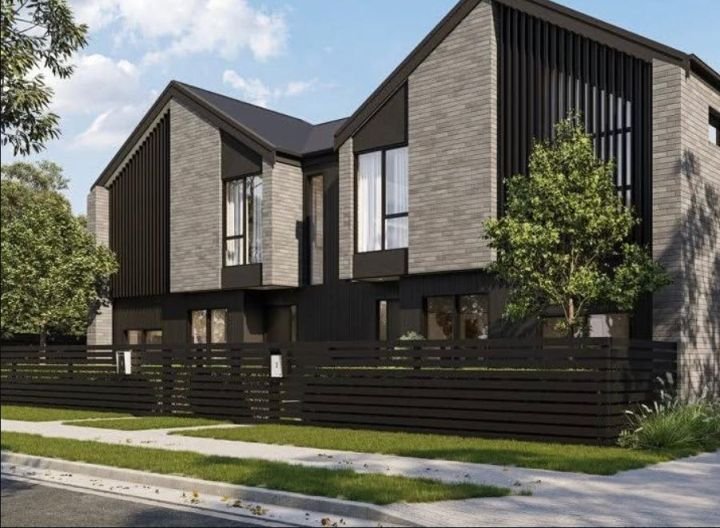
Modern brick ranges include smooth, textured, light and dark tones, and brick works well mixed with other cladding, for example brick on the ground floor with lightweight cladding above. That mix is common in new Auckland subdivisions.
The verdict
If you want low maintenance, a solid feel and timeless street appeal, brick is a strong choice. The key is workmanship: straight lines, consistent mortar joints and correct cavity and flashing details.
Mr Singh Brick & Block Laying Ltd specialises in residential brickwork for Auckland homes, from new builds to extensions. Visit Mr Singh Brick & Block to see recent projects.