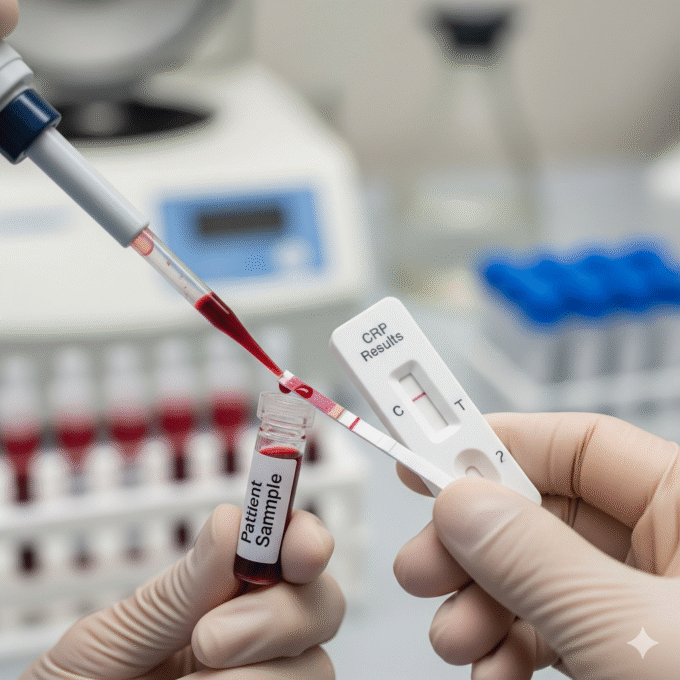
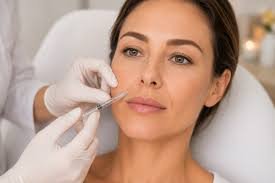
Skin can lose firmness and develop uneven texture on different parts of the body as collagen changes with age. Sun exposure, weight fluctuations, and natural ageing may also affect how the skin looks and feels. For people considering Morpheus8 Dubai, understanding which areas may be treated can help them explore whether this procedure fits their skin concerns and aesthetic goals.
Facial Areas
The face is a common treatment area for Morpheus8 because it can develop fine lines, uneven texture, and mild skin laxity over time. The procedure combines microneedling with radiofrequency energy to encourage collagen remodelling in selected skin layers. Depending on the individual’s needs, a practitioner may assess areas such as the cheeks, lower face, and jawline. Treatment around delicate facial structures requires careful assessment and appropriate settings.
Neck and Jawline
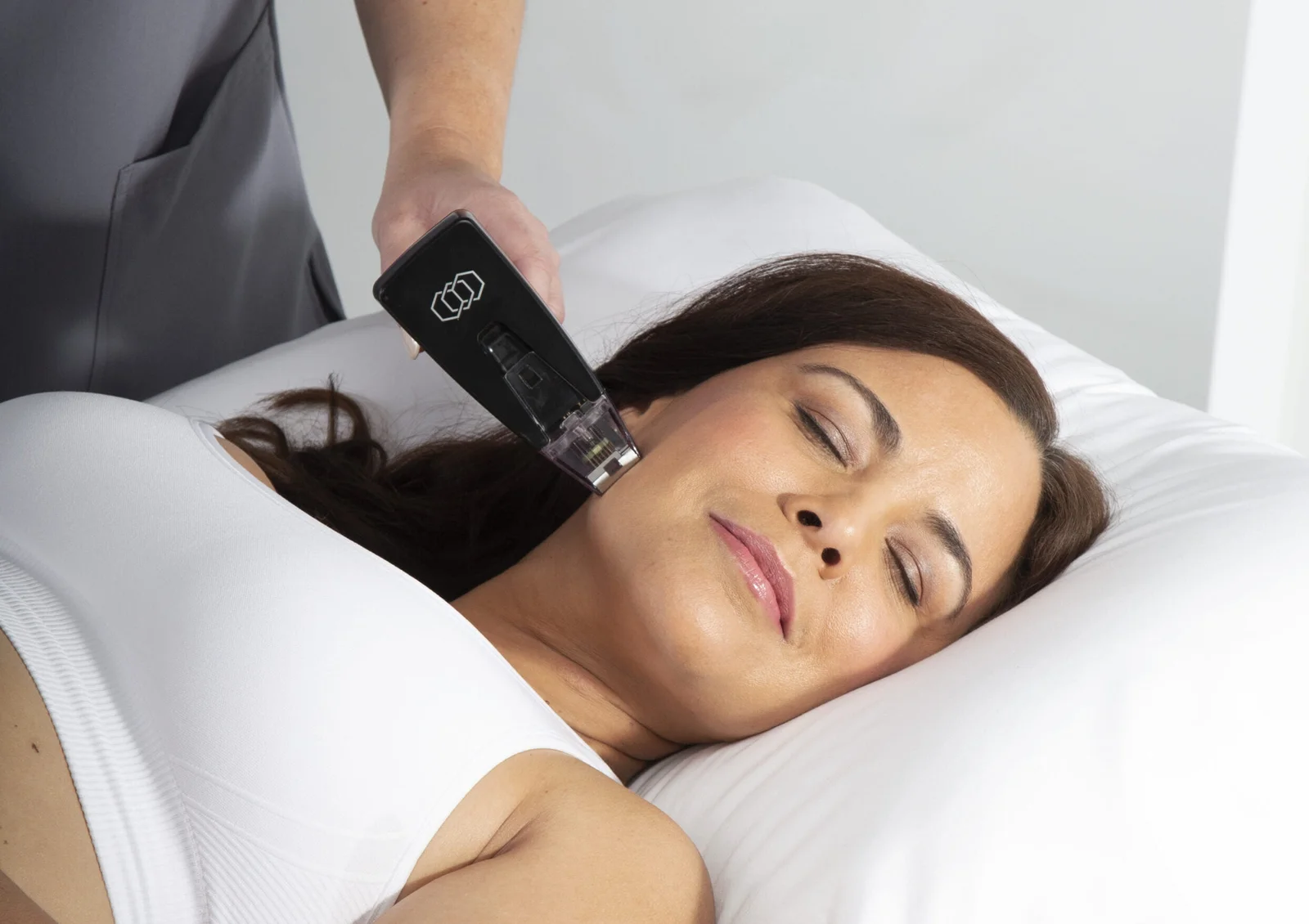
The neck and jawline may show changes in skin firmness as collagen and elasticity decline with age. Morpheus8 may be considered for selected cases of mild laxity and uneven texture in these areas. It does not remove significant excess skin or guarantee a sharply defined jawline, so expectations should be discussed during consultation. The practitioner should also determine whether the neck is suitable for the chosen device settings and treatment technique.
Abdomen
The abdomen can develop loose-looking skin after pregnancy, weight changes, or ageing. In selected cases, radiofrequency microneedling may be considered to improve the appearance of mild skin laxity and texture. Results depend on skin condition and the degree of looseness. Morpheus8 is not a weight-loss procedure and cannot remove large amounts of excess skin, so a different treatment may be more appropriate when laxity is substantial.
Arms
The upper arms can develop changes in skin firmness and texture over time. A practitioner may assess whether Morpheus8 is suitable for mild laxity in this area. The expected improvement depends on the amount of loose skin, tissue characteristics, and treatment settings. Significant hanging skin may not respond sufficiently to a minimally invasive procedure and may require a different approach.
Thighs and Knees
Skin around the thighs and knees may become less firm with age or after weight changes. Selected areas may be assessed for treatment when mild laxity or uneven texture is the main concern. However, response varies by body area, and treatment should be chosen according to the person’s skin condition rather than assuming that the same approach works equally well everywhere.
Other Areas That May Be Considered
Some practitioners may assess additional body areas depending on the device, handpiece, approved indications, and treatment protocol. Not every Morpheus8 configuration is intended for every body part, and the depth and settings must match the treatment area. A qualified provider should explain which areas are appropriate, what changes are realistic, and whether another procedure would be more suitable.
How Morpheus8 Works on Body Skin
Morpheus8 uses fine needles to create controlled micro-injuries while radiofrequency energy heats targeted tissue. This stimulates the skin’s repair response and encourages collagen remodelling, which may gradually improve selected texture and firmness concerns. The process takes time, and results vary according to the treatment area, degree of laxity, device settings, and individual healing response. It does not replace surgery for substantial excess skin.
Safety and Treatment Planning
Morpheus8 is minimally invasive but carries possible risks. Temporary redness, swelling, tenderness, and small marks may occur after treatment. Complications can include burns, infection, scarring, prolonged inflammation, and pigmentation changes. Risk varies with skin condition, treatment settings, and practitioner technique.
Before treatment, a qualified healthcare professional should review medical history, medications, previous procedures, skin sensitivity, and any active infection or inflammation. The practitioner should also explain the expected recovery period and provide clear aftercare instructions. Choose a provider with appropriate training and experience using the device.
Recovery and Aftercare
Recovery depends on the area treated and the intensity of the procedure. The skin may remain red, swollen, or sensitive for several days. Gentle cleansing, appropriate moisturising, and avoiding friction can support recovery. Follow the practitioner’s advice about exercise, heat exposure, and when to resume active skincare products. Protect exposed treated areas from the sun, and seek medical advice if symptoms worsen or signs of infection appear.
Frequently Asked Questions
Can Morpheus8 treat both the face and body?
Certain Morpheus8 configurations can be used for selected facial and body areas. Suitability depends on the device, treatment settings, the area involved, and the practitioner’s assessment.
Can Morpheus8 tighten loose abdominal skin?
It may improve the appearance of mild laxity in selected cases, but it cannot remove significant excess skin or replace surgery when substantial tightening is needed.
Is Morpheus8 suitable for the arms and thighs?
These areas may be considered for selected concerns involving mild laxity or texture. A professional should assess the skin and explain realistic expectations before treatment.
How many sessions are needed for body areas?
There is no fixed number for every body part. The recommended course depends on the concern, treatment intensity, and individual response.
Does Morpheus8 permanently tighten the skin?
No. Results vary and do not stop natural ageing. Skin may continue to change over time, and additional treatment is not automatically necessary for everyone.
Conclusion
Morpheus8 may be considered for selected areas of the face, neck, abdomen, arms, thighs, and knees when mild skin laxity or uneven texture is the main concern. Suitability depends on the device configuration, skin condition, treatment area, and individual goals. The procedure cannot replace surgery for significant excess skin, and results are not guaranteed. A qualified practitioner can assess the appropriate areas, explain possible risks, and develop a treatment plan based on realistic expectations.