A healthy smile depends on more than the colour and alignment of the teeth. The shape, position, and condition of the gums also influence how balanced and attractive a smile appears. When gums recede, the exposed tooth roots can make teeth look longer, create an uneven gumline, and affect overall smile symmetry. For people considering Gum Recession Treatment Dubai, appropriate treatment may help improve gum coverage, protect exposed roots, and create a more balanced appearance. The results depend on the severity of recession, the condition of the supporting tissues, and the treatment selected.
The Connection Between Gum Health and Smile Appearance
Gum tissue frames the teeth and contributes to the overall proportions of a smile. When the gumline is healthy and relatively balanced, the teeth often appear more uniform in length and shape. Recession can disrupt this balance by exposing parts of the roots and making individual teeth look longer than neighbouring teeth. Changes in gum position may also make the smile appear uneven, particularly when several front teeth are affected. Treating the underlying gum condition can help protect oral health while improving the appearance of the visible gumline.
How Gum Recession Changes the Appearance of Teeth
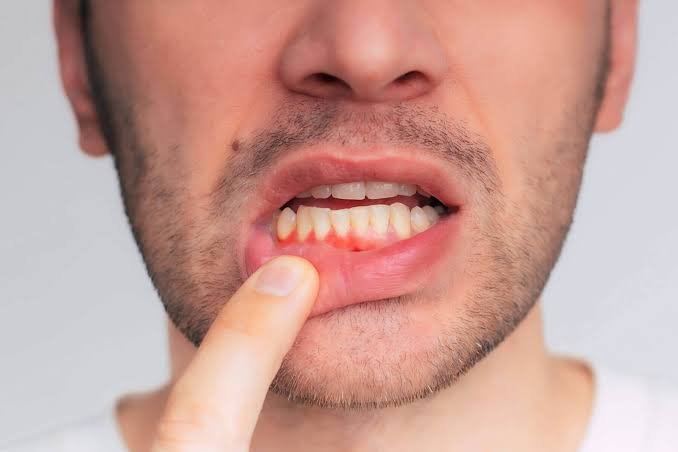
Gum recession occurs when the gum margin moves away from the crown of the tooth, exposing part of its root surface. Because the exposed root differs in colour and texture from the enamel-covered crown, the tooth may appear longer or less uniform. Recession can also create visible gaps near the gumline and make the teeth look uneven when smiling. The effect may be subtle when only one area is affected or more noticeable when multiple teeth are involved. Treatment aims to manage the cause and, where appropriate, improve the coverage of exposed roots.
Improving an Uneven Gumline
An uneven gumline can affect the symmetry of the smile, particularly when the difference is visible around the front teeth. Gum recession treatment may improve this appearance by addressing areas where the tissue has moved away from the teeth. In suitable cases, root coverage procedures can reposition or augment gum tissue to create a more balanced contour. The final result depends on the location and depth of the recession, the amount of supporting tissue, and the natural anatomy of the teeth. Complete symmetry cannot be guaranteed, but treatment may make the gumline look more consistent.
Reducing the Appearance of Long Teeth
Teeth may appear unusually long when recession exposes their root surfaces. This can change the proportions of the smile and make one tooth look different from the others. Gum grafting and other root coverage procedures may reduce the visible area of exposed roots in suitable cases, helping restore more natural-looking tooth proportions. The amount of coverage varies according to the severity of recession and the condition of the surrounding tissues. A periodontal assessment can help establish whether root coverage is achievable and explain the likely cosmetic improvement before treatment begins.
Restoring a More Natural Gum Contour
A natural-looking smile often has a gumline that follows the shape and position of the teeth. Recession can interrupt this contour, creating irregular edges or areas where the roots become more visible. Certain periodontal procedures are designed to increase gum thickness, cover exposed roots, or improve the contour around affected teeth. These treatments must be selected according to the clinical condition rather than appearance alone. A dentist or periodontist will assess the gum tissue, tooth position, and supporting structures to determine whether a more balanced contour can be achieved safely.
Gum Grafting for Cosmetic Improvement
Gum grafting is a periodontal procedure that may be recommended when recession exposes tooth roots or affects the appearance of the smile. The procedure typically uses tissue from the patient’s mouth or an appropriate donor source to increase gum coverage in the affected area. Depending on the case, it may help reduce the visibility of exposed roots, improve gum thickness, decrease sensitivity, and create a more harmonious gumline. The procedure does not guarantee complete root coverage, and outcomes vary with the severity of recession and individual anatomy. A qualified periodontal professional can explain the available techniques and expected results.
Improving the Appearance of Front Teeth
Recession affecting the front teeth can be especially noticeable because these teeth are prominent when speaking and smiling. Even a relatively small change in gum position may make one tooth look longer or create an uneven line across several teeth. When the condition is suitable for treatment, root coverage procedures may improve the appearance of these visible areas. However, the front teeth require careful planning because the gumline, tooth shape, and natural smile proportions all influence the final result. The treatment plan should balance cosmetic goals with tissue health and long-term stability.
Supporting a More Confident Smile
Changes in gum appearance can affect how comfortable a person feels when smiling, laughing, or speaking in photographs. Addressing visible recession may help some people feel more satisfied with their smile, particularly when exposed roots or an irregular gumline are their main concerns. The degree of improvement depends on the individual case, and cosmetic treatment cannot guarantee a particular emotional or social outcome. A useful consultation should explore the areas that concern the patient, explain what treatment can realistically change, and distinguish achievable improvements from features determined by natural tooth and gum anatomy.
Reducing Tooth Sensitivity Alongside Cosmetic Concerns
Exposed roots may cause sensitivity to cold drinks, hot foods, sweet items, or brushing. Although sensitivity is not a cosmetic problem by itself, it often occurs alongside visible recession and can affect everyday comfort. Treatment may include desensitizing products, fluoride applications, management of contributing gum disease, or root coverage surgery when appropriate. Gum grafting may reduce sensitivity in selected cases by covering vulnerable root surfaces. However, not every case requires surgery, and sensitivity can also have other causes, such as tooth decay or cracks. A dental examination helps identify the source and guide treatment.
Preventing Further Changes to the Gumline
Improving smile appearance also involves preventing recession from progressing. Aggressive brushing, plaque accumulation, periodontal disease, tobacco use, and certain tooth positions can contribute to gum problems. Addressing these factors helps protect the remaining tissue and supports long-term oral health. Dentists may recommend gentle brushing with a soft-bristled toothbrush, daily cleaning between the teeth, professional periodontal care, and regular monitoring. These measures do not usually restore gum tissue that has already been lost, but they can help reduce further damage and preserve the results of suitable treatment.
The Importance of Treating Gum Disease First
When recession is associated with periodontal disease, controlling the disease is an important part of the treatment plan. Inflammation and infection can damage the tissues and bone supporting the teeth, potentially affecting both oral health and the stability of cosmetic results. Professional cleaning or deeper periodontal treatment may be necessary before a gum graft or other procedure is considered. Once the disease is appropriately managed, the dentist can assess whether root coverage or another treatment would be beneficial. Establishing healthy periodontal conditions helps create a more suitable foundation for long-term gum care.
Choosing Treatment According to Recession Severity
Not every case of gum recession requires surgery. Mild recession may need monitoring, changes to brushing habits, treatment of inflammation, or measures to reduce sensitivity. More pronounced recession may require assessment for gum grafting or another root coverage procedure. The likely cosmetic outcome depends on the amount of existing gum tissue, the position of the tooth, and the condition of the supporting bone and tissues. A personalized assessment helps determine which approach is appropriate and whether the main objective should be preventing further recession, reducing sensitivity, improving appearance, or addressing several concerns together.
Recovery and Aftercare for Better Long-Term Results
After gum recession treatment, following the dentist’s aftercare instructions helps support healing and protect the treated area. Surgical procedures may require temporary dietary adjustments, careful cleaning around the treatment site, and avoidance of activities that could disturb the healing tissue. Patients should not brush or floss directly over a surgical area until their clinician advises that it is appropriate. Follow-up visits allow the dentist to assess healing and monitor the gumline. Once healing is complete, consistent oral hygiene and periodontal maintenance remain important for preserving the results and reducing the risk of additional recession.
Setting Realistic Expectations for Smile Improvement
Gum recession treatment can improve the appearance of the smile in suitable cases, but the degree of change varies. Some recession defects respond well to root coverage procedures, while more advanced cases may be harder to correct completely. Factors such as the amount of supporting tissue between teeth, tooth position, gum thickness, and oral health can influence the outcome. The goal is to achieve a healthy and natural-looking result rather than promise perfect symmetry or complete coverage in every case. A professional consultation should include a clear discussion of the potential benefits, limitations, risks, and maintenance needs.
Conclusion
Gum recession treatment can improve your smile by reducing the visibility of exposed roots, creating a more balanced gumline, and helping teeth look more proportionate. Gum grafting and other root coverage procedures may provide cosmetic benefits when the condition and surrounding tissues are suitable. At the same time, controlling gum disease, improving oral hygiene, and addressing habits that contribute to recession are essential for protecting long-term results. Because every case is different, a dental assessment is the most reliable way to determine which treatment is appropriate and what level of improvement can realistically be expected.