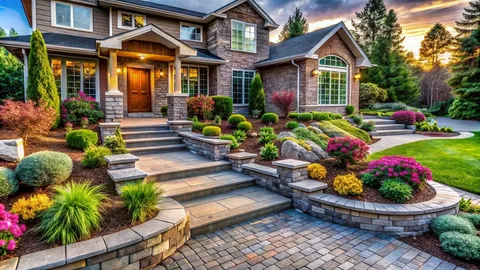
Creating an attractive outdoor living space involves more than planting flowers, growing grass, and adding trees. The structural elements of a landscape play an equally important role in its appearance, functionality, and long-term durability. Features such as patios, walkways, retaining walls, fire pits, outdoor kitchens, and decorative stone borders can transform an ordinary yard into a comfortable and inviting environment. Professional hardscape design and installation helps homeowners combine these features into a cohesive outdoor layout that complements their property and lifestyle.
Hardscaping refers to the non-living components of a landscape. These elements provide structure, improve accessibility, define outdoor areas, and create practical spaces for relaxation and entertainment. With careful planning, the right materials, and professional installation, hardscape features can enhance both the beauty and usability of a property. Whether you want to build a welcoming patio, improve drainage, or create a complete outdoor entertainment area, a well-planned hardscape project can deliver lasting value.
What Is Hardscape Design and Installation?
Hardscape design and installation is the process of planning and constructing permanent or semi-permanent landscape features using materials such as concrete, natural stone, brick, pavers, gravel, and decorative blocks. Unlike softscaping, which focuses on plants and other living elements, hardscaping creates the physical framework of an outdoor environment.
The design stage involves evaluating the property, understanding the homeowner’s needs, selecting suitable materials, and determining where each feature should be placed. Contractors also consider the existing terrain, drainage patterns, accessibility, and relationship between indoor and outdoor spaces. These factors help create a landscape that looks attractive while remaining practical.
Installation brings the design to life through site preparation, excavation, base construction, material placement, drainage planning, and finishing work. Proper construction methods are essential because poorly installed hardscape features may shift, crack, collect water, or deteriorate prematurely.
A successful project balances visual appeal with structural performance. The finished space should complement the home’s architecture, support everyday activities, and remain easy to maintain.
Popular Hardscape Features for Outdoor Spaces
Patios and Outdoor Seating Areas
Patios are among the most popular features included in hardscape design and installation projects. They create defined spaces for dining, relaxing, entertaining guests, and enjoying fresh air. Depending on the available area and desired appearance, patios can be constructed from concrete pavers, natural stone, brick, or decorative concrete.
A patio should be designed around how the space will be used. A small seating area may require only enough room for a table and chairs, while a larger entertainment area may accommodate outdoor sofas, dining furniture, and a grill. Choosing complementary colors and textures helps the patio blend naturally with the home.
Proper grading and drainage are also essential. Water should flow away from the house and other vulnerable structures to help prevent pooling and moisture problems.
Walkways and Garden Paths
Walkways connect important areas of a property and make outdoor spaces easier to navigate. They can link the driveway to the front entrance, connect a patio with a garden, or provide access to an outdoor kitchen and seating area.
Materials such as brick, concrete pavers, stepping stones, and natural stone offer different visual effects. Straight pathways often create a formal appearance, while curved paths can make a garden feel softer and more natural.
Professional hardscape design and installation considers pathway width, surface stability, slope, and accessibility. A properly constructed walkway should provide a comfortable walking surface while fitting the overall landscape design.
Retaining Walls
Retaining walls help manage changes in elevation and create more usable space on sloped properties. They can support soil, define planting areas, create terraced gardens, and provide visual separation between different outdoor zones.
Common materials include natural stone, concrete blocks, poured concrete, and brick. The best option depends on the wall’s height, soil conditions, drainage requirements, and desired appearance.
Retaining walls must be engineered or constructed according to the project’s structural requirements. Taller walls and walls supporting significant loads may require professional engineering and permits. Drainage provisions are particularly important because water pressure behind a wall can contribute to movement or failure.
Outdoor Kitchens and Fire Pits
Outdoor kitchens and fire pits can make a backyard more functional throughout the year. An outdoor kitchen may include countertops, storage, a grill, and other cooking equipment, while a fire pit can create a comfortable gathering place for family and friends.
These features should be positioned with safety, convenience, and ventilation in mind. The design should also consider utility connections, suitable construction materials, local fire regulations, and safe distances from buildings and combustible materials.
When incorporated into a complete hardscape design and installation plan, outdoor cooking and gathering features can become natural extensions of the home’s living space.
Choosing the Right Materials for Hardscaping
Material selection has a major influence on the appearance, durability, maintenance needs, and cost of a hardscape project. The right choice depends on the property’s conditions, the intended use of the space, and the homeowner’s budget.
Natural stone offers a distinctive appearance with variations in color, texture, and pattern. It can work well for patios, garden paths, steps, and decorative walls. However, different stone types have different levels of durability, porosity, and slip resistance.
Concrete pavers are available in numerous shapes, colors, and finishes. They are a versatile option for patios, driveways, and walkways. Individual pavers can often be replaced if damaged, provided the installation system allows access to the affected area.
Brick provides a traditional appearance that complements many architectural styles. It can be used for paths, patios, edging, and certain wall applications. The installation method and quality of the brick should match the intended use and local climate.
Poured concrete can create clean, modern surfaces and may be finished with colors, textures, or decorative patterns. Proper base preparation, joint placement, curing, and drainage are important for reducing the risk of cracking and premature wear.
Gravel is often used for informal pathways, decorative areas, and selected drainage applications. It is generally economical, but edging and periodic maintenance may be needed to keep it in place.
A professional contractor can help compare these materials based on appearance, expected performance, installation requirements, and maintenance.
The Hardscape Design and Installation Process
Step One: Evaluate the Property
The first stage involves examining the outdoor area to understand its size, slope, soil conditions, existing structures, and drainage patterns. The contractor should also identify underground utilities, access limitations, and any landscape features that need to be preserved.
This evaluation helps determine which improvements are practical and whether additional preparation or engineering is necessary.
Step Two: Develop a Design Plan
After assessing the property, the designer creates a layout that reflects the homeowner’s goals. The plan may include patios, pathways, retaining walls, outdoor kitchens, seating areas, steps, and transitions between hardscape and planted areas.
A detailed design should consider traffic flow, furniture placement, privacy, sunlight, shade, and access to the home. Establishing a clear plan before construction begins can reduce costly changes and help keep the project organized.
Step Three: Select Materials and Establish a Budget
The next stage involves choosing materials, finishes, colors, and construction details. Homeowners should receive a clear estimate explaining the expected costs of labor, materials, site preparation, drainage, equipment, and other project requirements.
It is also wise to establish a contingency budget for unexpected conditions, such as unsuitable soil or additional excavation. Comparing estimates should involve reviewing the proposed scope of work and material quality, rather than focusing on price alone.
Step Four: Prepare the Site
Site preparation may include removing existing surfaces, excavating soil, setting elevations, and installing a stable base. The base material and depth should be appropriate for the feature being constructed, the soil conditions, and expected loads.
Proper grading and drainage should be addressed before the visible hardscape materials are installed. Skipping these steps can lead to uneven surfaces, water accumulation, and expensive repairs.
Step Five: Install the Hardscape Features
During installation, contractors place the selected materials according to the approved plan. Depending on the project, this may involve setting pavers, building walls, constructing steps, pouring concrete, or installing outdoor cooking features.
Careful alignment, consistent spacing, secure edges, and suitable joint treatments contribute to a professional finish. Contractors should also follow applicable building codes and manufacturer recommendations.
Step Six: Inspect and Complete the Project
The final stage includes checking surface stability, drainage performance, edges, joints, steps, and connections between different features. The work area should be cleaned, and the homeowner should receive guidance on maintenance and any relevant warranties.
A thorough final inspection helps confirm that the completed hardscape design and installation meets the agreed project requirements.
Benefits of Professional Hardscaping
Professional hardscaping can improve the usability of outdoor areas by creating dedicated spaces for cooking, dining, walking, and relaxing. It can also improve the visual organization of a landscape by defining boundaries and connecting different parts of the property.
Another important benefit is durability. When contractors use suitable materials and follow proper installation methods, hardscape features can provide many years of service. Routine maintenance helps preserve their appearance and identify small issues before they become larger problems.
Hardscaping may also help address certain property challenges. Retaining walls can create more usable space on sloped terrain, while carefully planned grading and drainage features can help direct water away from vulnerable areas. However, hardscaping alone does not solve every drainage problem, and some properties require additional drainage improvements.
Well-designed outdoor spaces may also increase a property’s appeal to potential buyers. The actual effect on property value depends on the quality of the work, local market conditions, and the needs of future homeowners.
How to Maintain Hardscape Features
Regular maintenance helps protect the investment made in hardscape design and installation. Patios and walkways should be swept and cleaned as needed to remove dirt, leaves, and organic buildup. Appropriate cleaning methods should be used for each material to avoid damaging the surface.
Paver joints may need replenishment or repair over time. Homeowners should also check for shifting, uneven sections, cracked materials, and loose edging. Addressing these issues early can prevent further deterioration and reduce potential trip hazards.
Retaining walls should be inspected for unusual movement, bulging, cracks, or signs of water pressure. Any significant structural changes should be evaluated by a qualified professional.
Outdoor kitchens, fire pits, and other specialized features require maintenance based on their equipment and materials. Following manufacturer instructions and applicable safety requirements can help keep these areas in good condition.
Seasonal maintenance may include clearing drainage outlets, removing debris, checking sealants where applicable, and preparing surfaces for local weather conditions.
How to Choose a Hardscape Contractor
Selecting the right contractor is an important part of achieving a successful project. Start by reviewing companies with experience in the specific features you want to build. A contractor who regularly installs patios may not have the same expertise required for complex retaining walls or outdoor kitchen construction.
Review project photographs, customer feedback, references, and examples of completed work. Ask whether the contractor carries appropriate insurance and understands local permitting and building requirements. For projects involving structural walls, electrical work, gas connections, or other specialized systems, confirm that the necessary qualifications and professionals are involved.
Request a written proposal that explains the project scope, materials, preparation methods, drainage provisions, schedule, payment terms, and warranty details. Ask how unexpected site conditions or changes will be handled.
Good communication is another important factor. A reliable contractor should answer questions clearly, explain the construction process, and discuss practical alternatives when budget or site conditions create limitations.
Common Hardscaping Mistakes to Avoid
One common mistake is choosing materials based only on appearance. A beautiful surface may not be suitable for heavy traffic, wet conditions, or local weather. Material performance and maintenance requirements should be considered alongside visual appeal.
Another mistake is overlooking drainage. Water that collects beneath a patio or behind a retaining wall can contribute to settlement, erosion, and structural damage. Proper grading, base preparation, and drainage planning should be part of the original design.
Poor space planning can also reduce the usefulness of a finished landscape. Narrow walkways, cramped seating areas, and inconvenient transitions may make outdoor spaces less comfortable than expected. Planning around everyday activities helps prevent these issues.
Finally, homeowners should avoid treating every project as a do-it-yourself task. Simple decorative improvements may be manageable for experienced homeowners, but complex grading, structural walls, utility connections, and large installations often require trained professionals.
Conclusion
Hardscape design and installation is an effective way to create an outdoor environment that combines beauty, functionality, and long-term durability. From attractive patios and welcoming walkways to retaining walls, outdoor kitchens, and fire pits, the right features can make a property more comfortable and enjoyable.
Successful results depend on thoughtful planning, suitable materials, proper site preparation, effective drainage, and skilled workmanship. By defining your goals, establishing a realistic budget, and choosing an experienced contractor, you can create a hardscape that complements your home and supports your lifestyle. With appropriate maintenance, a well-designed outdoor space can remain attractive and practical for years to come.