Equipping a kitchen can feel overwhelming when browsing through aisles of specialized gadgets, single-use tools, and fancy appliances. However, mastering home cooking does not require a massive collection of complex equipment. In fact, most professional chefs and experienced home cooks rely on a core set of durable, multi-purpose utensils to prepare daily meals. Having the right tools on hand makes food preparation faster, safer, and much more enjoyable. From flipping proteins in a hot skillet to stirring simmering sauces, investing in high-quality basic tools builds the foundation of an efficient kitchen.
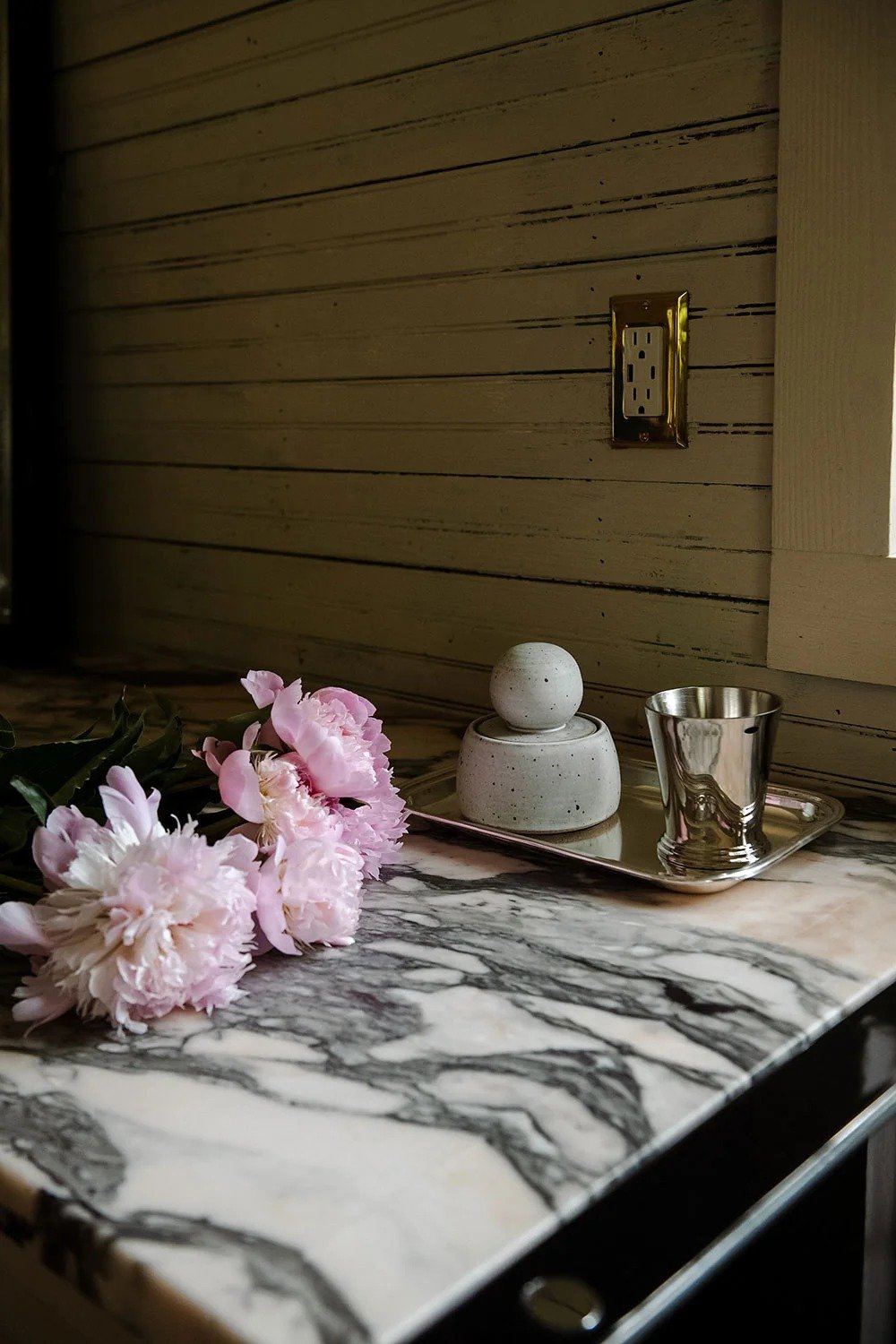
Keeping your most frequent cooking tools neatly organized alongside handy seasoning accessories, such as a Salt cellar, ensures your workspace stays functional and welcoming during busy meal prep. In this comprehensive guide, we will explore the essential kitchen utensils every home cook needs, examining the best materials, key selection criteria, and maintenance tips for long-lasting use.
Why Quality Basic Utensils Matter in Your Kitchen
Cheap, flimsy kitchen tools often bend under pressure, melt against hot pan edges, or break right when you need them most. Upgrading to sturdy, well-designed utensils transforms your cooking experience in several practical ways.
Precision and Control During Cooking
Whether you are folding delicate egg whites, whisking a roux, or tossing hot vegetables in a sauté pan, the right tool gives you tactile feedback and precise control. Poorly balanced utensils make simple cooking tasks tiring and inefficient.
Protecting Your Cookware Investment
Using metal spoons or spatulas inside non-stick ceramic or seasoned cast-iron pans will scratch and ruin expensive cookware surfaces. Selecting heat-resistant silicone, wooden, and nylon utensils protects your pots and pans from accidental damage.
Streamlining Your Culinary Workflow
When your drawers and countertop crocks are stocked with reliable, versatile essentials, you waste zero time searching for the right tool. Every action flows smoothly from prep station to stovetop.
The Core Utensils Every Kitchen Must Have
Every kitchen requires a dependable set of multi-purpose tools. Here are the non-negotiable utensils that belong in every home cook’s collection.
1. Wooden Spoons and Slotted Paddles
Wooden spoons are the true workhorses of the kitchen. They are gentle on non-stick surfaces, do not conduct heat (meaning the handle stays cool while resting in hot soup), and feel comfortable in your hand.
-
Best Uses: Stirring simmering soups, scraping browned bits from the bottom of pans, mixing thick doughs, and creaming butter.
-
Why You Need One: Unlike plastic alternatives, high-grade hardwood spoons will never melt under high heat.
2. Flexible Silicone Spatulas (Scrapers)
A seamless silicone spatula with a sturdy steel core is essential for efficient baking and cooking.
-
Best Uses: Scraping every last drop of batter out of mixing bowls, folding whipped cream, and stirring pan sauces.
-
Why You Need One: Silicone withstands high heat, resists staining, and flexes just enough to hug the curved edges of bowls and pans.
3. Stainless Steel Kitchen Tongs
Tongs act as an extension of your fingers, giving you a secure, precise grip on hot food items.
-
Best Uses: Turning steaks in a cast-iron skillet, tossing roasted vegetables, retrieving corn from boiling water, and plating delicate proteins.
-
Why You Need One: Look for locking tongs with scalloped edges and heat-resistant silicone tips to protect your cookware.
4. Wire Balloon Whisks
A sturdy wire whisk incorporates air into liquids much faster than a standard spoon or fork.
-
Best Uses: Whipping egg whites, beating eggs for omelets, emulsifying homemade salad dressings, and smoothing out lumps in gravies or custards.
-
Why You Need One: A medium-sized balloon whisk with evenly spaced stainless steel wires ensures lump-free sauces every time.
5. Microplane Grater / Zester
A microplane is a long, razor-sharp rasp that turns hard blocks of cheese, spices, and citrus into delicate shreds or fine dust.
-
Best Uses: Zesting lemons and limes, grating fresh Parmesan cheese over pasta, and shredding whole nutmeg or fresh garlic cloves.
-
Why You Need One: It effortlessly extracts maximum flavor from ingredients without crushing them or releasing bitter white pith.
6. Fine-Mesh Strainers
A stainless steel mesh strainer is a versatile tool used across both baking and savory cooking prep.
-
Best Uses: Sifting flour and powdered sugar, rinsing quinoa or berries, and straining pulp or seeds out of fresh citrus juices or stocks.
-
Why You Need One: The ultra-fine mesh traps even tiny impurities, ensuring smooth textures in sauces and baked goods.
Choosing the Best Materials for Your Utensils
When selecting kitchen tools, material choice determines durability, heat resistance, and clean-up requirements.
Hardwoods (Walnut, Olive, and Beech)
Wood brings natural organic beauty and unmatched heat resistance to stirring tools. It will never scratch delicate pans and feels warm and ergonomic in the hand. Hand wash only and treat periodically with mineral oil to keep wood nourished.
High-Heat Silicone
Food-grade silicone can handle temperatures up to 500 degrees Fahrenheit without melting or warping. It is non-porous, dishwasher safe, and gentle on coated cookware.
Stainless Steel
For tongs, whisks, and ladles, stainless steel offers maximum strength, rust resistance, and easy sanitation. Look for 18/8 or 18/10 restaurant-grade steel for ultimate longevity.
Best Practices for Organizing and Storing Your Utensils
Keeping your kitchen tools organized prevents countertop clutter and speeds up meal preparation.
Countertop Crocks vs. Drawer Dividers
-
Daily Tools by the Stove: Store frequently used items—like wooden spoons, spatulas, and tongs—upright in a wide ceramic crock right beside your cooktop.
-
Specialty Tools in Drawers: Keep specialty items like zesters, peelers, and measuring spoons organized in shallow drawer dividers to protect blades and prevent tangling.
Maintaining Hygiene and Tool Lifespan
Always wash utensils promptly after use. Never leave wooden spoons soaking in a sink of standing water, as prolonged moisture causes wood to swell, crack, and harbor bacteria.
Completing Your Prep and Cooking Station
Pairing your utensil storage with easily accessible seasonings creates a streamlined cooking hub. Keeping your primary cooking tools right next to your stove, alongside a convenient Salt cellar, ensures you can stir, taste, and season your dishes seamlessly in one smooth motion.
Conclusion
Equipping your kitchen with essential utensils does not require buying every gadget on the market. Focusing on high-quality, durable basics like wooden spoons, flexible silicone scrapers, sturdy tongs, and fine whisks transforms your cooking routine. By choosing heat-resistant materials, maintaining them properly, and organizing them within easy reach of your cooktop, you create a functional, welcoming kitchen where preparing delicious meals is always a pleasure.
Frequently Asked Questions (FAQs)
What are the most important kitchen utensils for a beginner cook?
Beginner cooks should start with a sturdy wooden spoon, a flexible silicone spatula, a pair of locking stainless steel tongs, a medium balloon whisk, and a fine-mesh strainer. These five tools cover almost all basic stirring, flipping, whisking, and straining needs.
Can I put wooden utensils in the dishwasher?
No, you should never place wooden utensils in the dishwasher. The intense heat, harsh detergents, and prolonged water exposure cause wood to dry out, warp, split, and splinter. Always hand wash wooden tools with warm water and mild soap.
Why do some silicone spatulas melt during cooking?
Low-quality or non-food-grade plastic and silicone utensils can melt when left resting against the scorching hot rim of a pan or burner. Always look for heat-resistant, high-grade silicone tools rated to withstand high temperatures (typically up to 450 to 500 degrees Fahrenheit).
How should I store my cooking utensils to save space?
If drawer space is limited, keep your most-used tools upright in a heavy ceramic crock on your countertop next to the stove. For less frequent specialty tools, use shallow drawer inserts or hanging racks to keep items organized and easily accessible.