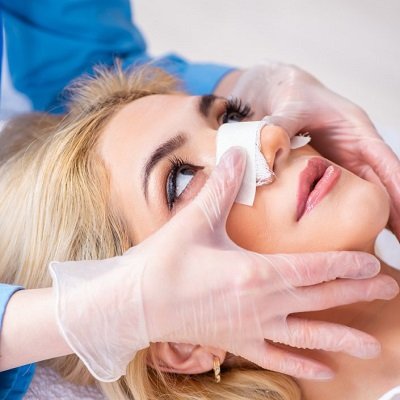
Rhinoplasty surgery can help improve the appearance of the nose, correct certain structural concerns, and support better nasal function when breathing difficulties are present. However, swelling is a normal part of the healing process after surgery. For many patients, managing this swelling is an important concern because it can temporarily affect facial appearance, comfort, and the ability to see the early results of the procedure.
For individuals considering or recovering from Rhinoplasty Surgery in Muscat, understanding how to manage postoperative swelling can make the recovery period more comfortable and predictable. Although swelling cannot be eliminated immediately, appropriate aftercare, sufficient rest, and adherence to medical instructions can help support the body’s natural healing process.
The amount of swelling varies from one person to another. Factors such as the surgical technique, the extent of tissue adjustment, skin thickness, individual healing patterns, and whether the procedure involves the nasal tip or other structures can influence recovery. Some patients notice significant improvement within the first few weeks, while subtle swelling may remain for several months.
The good news is that patients can take several practical steps to support recovery. This guide explains why swelling occurs after rhinoplasty, which habits may help reduce it, what activities should be avoided, and when medical advice may be necessary.
1. Understand Why Swelling Occurs After Rhinoplasty Surgery
Swelling, also known as postoperative edema, is a natural response to surgery. During rhinoplasty, the surgeon may adjust bone, cartilage, skin, and other supporting tissues. The body responds to these changes by increasing blood flow and sending healing cells to the affected area.
As fluid temporarily accumulates in the surrounding tissues, the nose and nearby facial areas may appear swollen. Bruising around the eyes can also occur, particularly when the procedure involves changes to the nasal bones.
Several factors influence the degree of swelling.
The extent of surgery: Procedures involving more extensive structural changes may produce greater swelling than relatively limited adjustments. However, individual responses vary.
Skin thickness: Patients with thicker nasal skin may experience swelling that takes longer to resolve, especially around the nasal tip.
Individual healing patterns: Age, general health, existing medical conditions, and personal healing responses can influence recovery.
Surgical technique: The areas treated and the techniques used during surgery may affect the pattern and duration of swelling.
Postoperative care: Following medical instructions and avoiding activities that increase bleeding or place pressure on the nose can help support healing.
Patients researching Rhinoplasty Surgery in Muscat should understand that swelling does not necessarily indicate a problem or an unsuccessful result. In most cases, it is an expected part of recovery.
The nose may look noticeably different during the first few weeks compared with its eventual appearance. Final refinement can take many months, and some patients need a year or longer for the remaining swelling to settle completely.
2. Keep the Head Elevated and Get Enough Rest
One of the most practical ways to support recovery after rhinoplasty is to keep the head elevated, particularly during sleep and rest in the early postoperative period.
Why Head Elevation Helps
Keeping the head above the level of the heart may help limit fluid accumulation in the face and reduce the sensation of pressure around the nose. It can also make resting more comfortable during the initial healing period.
Patients are commonly advised to sleep on their backs with the head supported by pillows or a suitable wedge pillow. The exact positioning should follow the surgeon’s instructions.
Side sleeping may place pressure on the nose or increase the risk of accidental contact during the early recovery period. Patients should avoid sleeping face-down until the surgical team confirms that their usual sleeping position is safe.
Make Rest a Priority
The body needs time and energy to repair tissues after surgery. Adequate sleep and a manageable daily routine can support the normal healing process.
During the first several days, patients should avoid overloading their schedules with work, household responsibilities, or social activities. Short periods of gentle movement may be appropriate, but prolonged physical exertion should be avoided.
A comfortable recovery environment can also make a difference. Keeping essential items nearby, arranging assistance with daily tasks, and following a consistent sleep schedule can help patients rest without unnecessary strain.
For individuals recovering after Rhinoplasty Surgery in Muscat, planning time away from work and arranging support at home before the procedure can make the initial recovery period less stressful.
3. Use Cold Compresses Safely and Follow Medical Instructions
Cold compresses may help reduce discomfort and bruising during the early stages of recovery. However, their use requires care because the nose is sensitive after surgery, and direct pressure can interfere with healing.
Apply Cold Compresses Around the Eyes
If the surgical team recommends cold compresses, they are generally applied gently to the cheeks or the areas around the eyes rather than directly onto the nose.
A cold pack should be wrapped in a soft cloth to protect the skin. Patients should follow the recommended timing and duration provided by their surgeon.
Direct ice application, excessive cold, and pressure over the nasal bridge can cause irritation or potentially disturb healing tissues. Cold compresses should never be used in a way that presses on a nasal splint or dressing.
Patients should also avoid applying heat to the nose during the early recovery period unless specifically advised by the medical team.
Follow the Prescribed Aftercare Plan
A surgeon may provide instructions about dressings, nasal splints, cleaning, medications, and follow-up visits. These instructions are tailored to the procedure and should take priority over general advice found online.
Patients should not remove splints, adjust dressings, or insert cotton swabs or other objects into the nose unless instructed to do so. They should also avoid using unapproved creams, herbal preparations, or home remedies near the surgical area.
Those considering Rhinoplasty Surgery in Muscat should discuss postoperative care before the procedure, including which measures are appropriate for their specific surgical technique.
4. Choose Balanced Nutrition and Stay Properly Hydrated
Nutrition plays an important role in tissue repair. While no particular food can eliminate swelling overnight, a balanced diet can provide the nutrients the body needs during recovery.
Eat Nutrient-Rich Foods
Patients recovering from rhinoplasty should aim for regular meals containing a variety of nutritious foods.
-
Protein-rich foods: Eggs, fish, poultry, beans, lentils, and other protein sources help provide the building blocks required for tissue repair.
-
Fruits and vegetables: These provide vitamins, minerals, and other nutrients that support normal healing.
-
Whole grains: Oats, whole-wheat bread, brown rice, and similar foods provide energy and fiber.
-
Healthy fats: Nuts, seeds, olive oil, and other suitable sources of unsaturated fats can form part of a balanced diet.
Some patients find softer foods easier to eat during the first few days, particularly if they experience discomfort or congestion. Meals should be comfortable to chew and should not require excessive effort.
Drink Enough Water
Adequate hydration supports normal circulation and helps the body function effectively during recovery. Patients should drink water regularly unless their medical team has advised them to restrict fluids for another health reason.
There is no need to force excessive amounts of water in an attempt to remove swelling. Hydration should remain balanced and appropriate to the individual’s needs.
Be Mindful of Salt Intake
Very salty meals may contribute to temporary fluid retention in some individuals. Choosing balanced meals and avoiding excessive sodium intake may therefore be helpful during recovery.
However, dietary changes alone will not determine how quickly the nose heals. Swelling is primarily influenced by the surgical changes and the body’s healing response.
Patients should also be cautious about supplements promoted for reducing inflammation. Certain products may affect bleeding, interact with medication, or lack reliable evidence of benefit. Any supplement should be discussed with the treating medical professional before use.
5. Avoid Activities and Habits That Can Increase Swelling
Lifestyle choices can affect comfort and the risk of complications during the recovery period. Patients should avoid activities that increase pressure around the nose, raise the risk of bleeding, or expose the healing tissues to injury.
Avoid Strenuous Exercise
Heavy lifting, vigorous workouts, running, and intense exercise can increase blood pressure and may worsen swelling or bleeding during early recovery.
Gentle walking is often encouraged when the surgeon considers it appropriate because it supports general mobility without placing excessive strain on the body. However, patients should gradually increase activity according to their postoperative instructions.
Contact sports and activities with a risk of facial impact should be avoided until the surgeon confirms that the nose has healed sufficiently.
Avoid Smoking and Nicotine
Smoking and nicotine use can impair blood flow and interfere with wound healing. Patients should discuss stopping smoking and avoiding nicotine products before and after surgery, following the medical team’s recommendations.
Alcohol should also be avoided for the period advised by the surgeon, particularly while the patient is taking medication or remains at risk of bleeding.
Protect the Nose From Accidental Pressure
Patients should avoid rubbing, pressing, or massaging the nose unless specifically instructed to perform a particular technique. Glasses may need to be adjusted or supported differently during healing if they place pressure on the nasal bridge.
Sneezing should not be forcibly suppressed. If the surgeon recommends sneezing with the mouth open, patients should follow that advice to reduce pressure through the nose.
It is also important to avoid blowing the nose until the surgical team confirms that it is safe. If congestion becomes uncomfortable, patients should ask about suitable options rather than using decongestants or nasal sprays without approval.
For patients recovering from Rhinoplasty Surgery in Muscat, following these precautions can help protect the surgical result while the tissues heal.
6. Understand the Recovery Timeline and Know When to Seek Help
Knowing what to expect after rhinoplasty can help patients distinguish normal healing from symptoms that require medical attention.
The First Few Days
Swelling and bruising are often most noticeable during the first several days. Some patients experience puffiness around the eyes, nasal congestion, mild discomfort, or pressure.
The nose may be supported by a splint or dressing during this stage. Patients should keep scheduled appointments and follow instructions about cleaning and wound care.
The First Few Weeks
Visible swelling and bruising usually improve gradually over the following weeks. Many patients can return to desk-based work or routine activities within approximately one to two weeks, depending on the procedure and their individual recovery.
The nose may still look swollen or slightly uneven during this stage. Temporary changes in appearance should be discussed with the surgeon rather than interpreted as the final result.
The Following Months
Subtle swelling can remain after the most noticeable symptoms have resolved. The nasal tip may take longer to refine than other areas, particularly in patients with thicker skin or more extensive surgical changes.
Patients should attend follow-up appointments even when recovery seems to be progressing well. These visits allow the surgeon to assess healing and advise when normal activities can resume.
When Swelling May Signal a Problem
Although some swelling is expected, symptoms that are severe, sudden, or worsening should not be ignored.
Patients should promptly contact their surgical team if they develop increasing pain, worsening redness, fever, unusual discharge, or swelling that becomes progressively more pronounced after initially improving.
Heavy or uncontrolled bleeding, severe breathing difficulty, sudden changes in vision, or rapidly increasing swelling require urgent medical assessment.
Patients should never attempt to treat a suspected complication solely with cold packs, supplements, or home remedies.
For anyone planning Rhinoplasty Surgery in Muscat, understanding the recovery timeline and having access to appropriate postoperative support are essential parts of the treatment decision.
Frequently Asked Questions About Reducing Swelling After Rhinoplasty
1. How long does swelling last after rhinoplasty surgery?
The most noticeable swelling usually improves over the first few weeks, although the exact timeline varies. Subtle swelling can persist for several months, especially around the nasal tip. The final shape may take a year or longer to become fully apparent.
2. What is the best sleeping position after rhinoplasty?
Patients are commonly advised to sleep on their backs with the head elevated during early recovery. This position may help limit facial fluid accumulation and reduce accidental pressure on the nose. The treating surgeon should provide instructions based on the procedure performed.
3. Can cold compresses reduce swelling after rhinoplasty?
Cold compresses may help with early discomfort and bruising when used correctly. They are generally applied gently around the cheeks and eyes rather than directly onto the nose. Patients should follow their surgeon’s instructions and avoid pressure on the surgical area.
4. Which foods help reduce swelling after rhinoplasty?
A balanced diet containing protein, fruits, vegetables, whole grains, and healthy fats supports normal tissue healing. Limiting excessive salt intake may help reduce temporary fluid retention in some individuals. No specific food can guarantee rapid swelling reduction.
5. Can exercise make swelling worse after rhinoplasty?
Yes. Strenuous exercise and heavy lifting can increase blood pressure and may worsen swelling or bleeding during early recovery. Gentle walking may be appropriate, but patients should resume more demanding activities only according to their surgeon’s guidance.
6. When should a patient worry about swelling after rhinoplasty?
Sudden or worsening swelling, increasing pain, fever, unusual discharge, or worsening redness should be reported promptly. Heavy bleeding, severe breathing difficulty, or vision changes require urgent medical assessment. When in doubt, patients should contact their medical team rather than self-treat.
Read More About Rhinoplasty Surgery: https://linkmate.mn.co/posts/does-rhinoplasty-surgery-change-your-voice