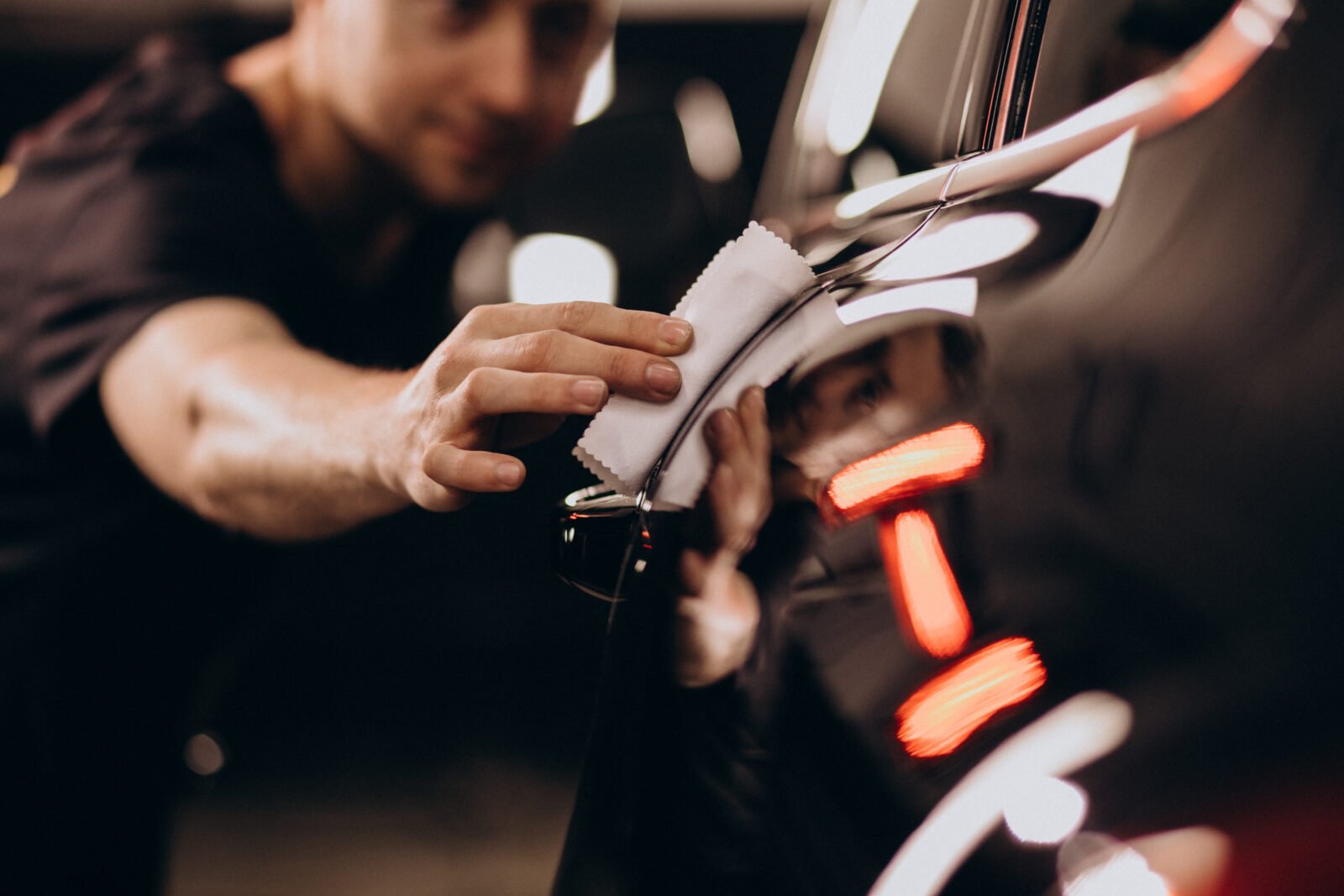
Get a taste of what Oahu does to a car by taking a weeklong drive through central Oahu. Really, the sun, humid trade-wind air, salt pushed in from the coast, and that fine red dirt are pounding your vehicle every single day. A quick run through the gas station car wash won’t fix that kind of treatment. That’s why exterior car detailing Wahiawa isn’t for showing off; it’s for saving a car. When done right, it safely cleans, restores, and applies a barrier, protecting a vehicle from the gradual assault of the environment. This is what goes into an actual exterior detail and how to preserve it.
How Tough Island Conditions Can Be on Paint
The clear coat is that transparent film over the paint that provides gloss and protects the paint beneath. Sunlight gradually destroys that clear coat, leaving the color coat faded and dull, then peeling on horizontal surfaces such as the hood and roof. Moisture remains on the surface longer at high humidity, and salt air causes corrosion to start around any damaged or missing paint. Red dust causes another concern: Fine dust of metallic particles blown around at high speed, which tends to cling to the paint and bake on if left in the sun to dry. This explains why a frequently washed car can still look dull. Dirt is rinsed away but otherwise needs treatment.
The Washing Technique Is More Critical Than You Realize
Swirls are normally created due to washing practices rather than the road. When a dirty sponge is dragged across an imperfection-filled surface, this is similar to using sandpaper on the surface. A professional exterior car wash should begin with a pre-rinse stage to clear large contaminants before foaming.
Hence, you require less force, then wash the panels with clean microfiber mitts (rinsing the mitt often so you don’t transfer dirt to the panel), and wash the wheels and tires with a different mitt so any abrasive brake dust isn’t transferred to the paint. For drying, use a soft towel or filtered air instead of a worn chamois or cheap bath towel. Even at home, follow this template and use a pH-balanced car shampoo versus dishwashing liquid, which removes protection.
Decontamination: The Step Most People Overlook
Once you’ve cleaned the surface, scrape off the paint that is tactile using the back of your hand over the surface in a soft plastic sandwich bag. If you encounter any roughness on the surface, there is still bonded contamination present. Contaminations such as iron fallout from brake dust and industrial particles can be treated using an iron remover (it often changes color to purple). Just like that, tar and sap can be treated with automotive paint-safe solvents. Once you’ve utilized the clay bar or clay mitt over the lubricated surface and scraped off everything that is left, your polishing and protecting compound will bond to a fresh and clean surface. Otherwise, you would be trapping those contaminants under your wax.
Paint Correction and Restoring Gloss
Removal of surface marring, swirl marks and oxidation is often achievable by machine polishing. The detailer takes paint readings where possible, and uses a pad and polish pairing appropriate to the hardness of the finish, working in sections. The aim is to create an even optical finish by removing the light-reflecting scattering on the microscopic peaks and troughs, not to remove more clear coat than necessary. Single-stage polishing: a few levels of change, breathes new life into faded paints; multi-stage polishing: correction levels, rectify moderate paint imperfections. And don’t set yourself up for disappointment by expecting every scratch to disappear. Deep surface marring and scratches, especially those that catch your fingernail, may require touch-up paint or bodywork; an honest detailer will tell you.
Choosing Protection: Wax, Sealant, or Coating
The paint needs to be cleaned and corrected before applying a protective barrier. Carnauba wax is nice but short-lived in the summer heat. Synthetic sealants will stick better for longer periods, and their durability is measured in months. Ceramic coatings are more durable in terms of protection, providing an ultra-thin and tough coating chemistry that is effective in protecting from UV rays, water spots, road film, and other contaminants. Pick a protective barrier according to your lifestyle with the car and how you park it. Garage queen over the weekend versus a daily driver that parks outside 24 hours a day, and the accessories of your ride, plastic lenses and fog lights, are your vehicle’s worst enemy.
Preservation of the Finish Between Details
Longevity can be achieved only if you take care of the finish. Wash the car every 1-14 days with the two-bucket method, get rid of bird droppings, insects, and tree sap fast because they are acidic enough to damage your car’s clear coat, and apply spray sealer or detail spray on a regular basis for a smooth finish – park in the shade or cover with a breathable car cover whenever possible. Avoid automatic washes with rough brushes that reintroduce the swirl marks a detail removed.
Final Thoughts
The right type of exterior maintenance should involve more than just a process; it should include washing, decontaminating, correcting, and protecting. Regardless of whether you choose the services of an expert such as Tech Century LLC or try to do it yourself, following the same processes repeatedly will make sure that the paint remains clean and fresh for many years to come.
Frequently Asked Questions
How often should I have my car’s exterior detailed?
For most daily drivers, getting a full exterior detail once or twice a year is ideal, supplemented by regular washes in between. If you park outdoors and deal with harsh sunlight, you might find you need to renew your paint protection a bit more frequently.
What does an exterior detail actually involve?
A standard exterior detail typically includes a thorough hand wash, deep cleaning of the wheels and tires, and chemical and clay decontamination to smooth out the surface. Depending on your choice, we also offer polishing and the application of a wax, sealant, or protective coating. Treatments for trim and glass are often included as well.
Can detailing get rid of scratches?
It can help remove light scratches and swirl marks that are sitting on the surface of the clear coat. However, if a scratch is deep enough that you can feel it with your fingernail, it likely requires more significant repair work than simple polishing can provide.
Is it worth detailing an older car?
Definitely, by fixing oxidation and sealing the paint, you can really bring back that shine and slow down any further aging. This not only makes the car look better but also helps maintain its resale value.
How long will the process take?
It really depends on the current condition of the paint and how much correction is needed, but you should generally expect it to take anywhere from three hours to a full day.