North Africa is experiencing growing demand for air-conditioning solutions as rising temperatures, urbanization, housing development, and expanding commercial infrastructure increase the need for reliable cooling. In countries such as Egypt, Algeria, Morocco, Tunisia, Libya, and Sudan, air conditioners are increasingly shifting from discretionary purchases toward essential equipment, particularly during prolonged periods of high temperatures. At the same time, consumers and businesses are showing greater interest in energy-efficient systems as electricity costs and environmental concerns become more prominent.
According to a comprehensive assessment by Markntel Advisor, the North Africa air conditioner industry was valued at around USD 2.8 billion in 2024 and is projected to reach USD 3.8 billion by 2030, registering a CAGR of 5.23% during 2025–2030. The North Africa air conditioner industry report identifies hot and arid climatic conditions, rising temperatures, infrastructure development, urbanization, and increasing demand for energy-efficient cooling as key factors supporting industry expansion.
Hot Climate Drives Cooling Requirements
Persistently high temperatures remain the fundamental demand driver across North Africa. In many locations, air conditioning is becoming increasingly important for maintaining comfortable indoor environments in homes, offices, retail establishments, healthcare facilities, and educational institutions.
The impact of extreme heat is also becoming more significant globally. The World Meteorological Organization’s climate information highlights the growing risks associated with extreme heat and emphasizes the importance of adaptation measures to protect communities. This broader climate trend reinforces the need for reliable and efficient cooling infrastructure across heat-exposed regions.
Rising temperatures, combined with population growth and urban expansion, are expected to support continued demand for both replacement systems and new installations.
Split Air Conditioners Maintain Leadership
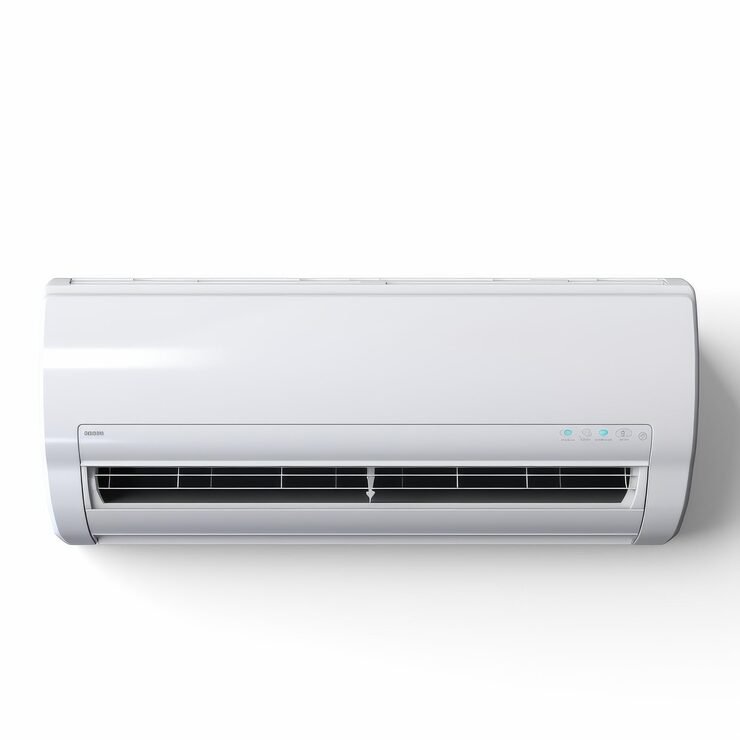
Split air conditioners represent the leading product category in North Africa. Their relatively affordable cost, ease of installation, flexible capacity options, and suitability for residential spaces make them particularly attractive to consumers.
Single-split systems are especially popular among households and small commercial establishments. Their decentralized configuration allows individual rooms or spaces to be cooled without requiring large centralized systems, making them suitable for buildings where installation budgets or technical infrastructure are limited.
The expansion of housing projects across major cities is expected to reinforce demand for split systems. Hospitality development and smaller commercial properties can provide an additional source of installations.
Residential Users Lead Demand
The residential segment dominates the industry, supported by urbanization, increasing household incomes, changing lifestyles, and new housing construction. As more people move into urban areas, the installed base of air conditioners is expected to expand.
New residential developments can create significant opportunities for manufacturers, distributors, installers, and maintenance providers. Replacement demand is also important as consumers replace older equipment with newer inverter-based and energy-efficient models.
Commercial applications, meanwhile, are expected to provide increasing opportunities as governments and private developers invest in shopping centers, hotels, hospitals, educational facilities, offices, and other buildings.
Energy Efficiency Gains Importance
Rising electricity costs are encouraging consumers and businesses to consider energy consumption when purchasing air conditioners. Conventional cooling equipment can place considerable pressure on household and commercial electricity bills, particularly during peak summer periods.
This is encouraging the adoption of inverter technology, high-efficiency compressors, smart thermostats, improved heat exchangers, and advanced control systems. These technologies can adjust cooling output according to demand, potentially reducing unnecessary energy consumption.
The International Energy Agency’s cooling analysis highlights the rapidly increasing global demand for space cooling and the importance of improving equipment efficiency to limit electricity consumption and emissions.
Eco-Friendly Refrigerants Reshape Product Development
Refrigerant technology is another important area of change. International environmental agreements are encouraging the gradual reduction of high-global-warming-potential hydrofluorocarbons and supporting the transition toward more environmentally friendly alternatives.
Manufacturers operating in North Africa are therefore increasingly evaluating refrigerants with lower environmental impact while maintaining cooling performance under hot climatic conditions. The challenge is particularly important because equipment must remain reliable when outdoor temperatures are exceptionally high.
The UN Environment Programme’s Kigali Amendment framework outlines global efforts to reduce HFC consumption, encouraging countries and manufacturers to accelerate the transition toward climate-friendly cooling technologies.
Infrastructure Development Creates Commercial Opportunities
North Africa’s infrastructure development is creating new opportunities beyond residential cooling. Egypt is a particularly important growth center because of its major urban-development programs, including the New Administrative Capital and other large-scale construction projects.
New commercial districts, healthcare facilities, hotels, shopping centers, and educational institutions require larger and more sophisticated cooling systems. District cooling is also beginning to gain attention for large developments where centralized systems can provide efficient cooling across multiple buildings.
Tourism expansion in countries such as Egypt and Morocco can further support demand for air-conditioning systems in hotels, resorts, restaurants, and transportation infrastructure.
Local Manufacturing Strengthens Supply Chains
The localization of air-conditioner manufacturing is becoming increasingly important across North Africa. Local assembly and production can reduce transportation costs, shorten supply chains, support employment, and enable manufacturers to respond more quickly to regional consumer preferences.
Egypt is emerging as a particularly important manufacturing base. Partnerships between international brands and local companies are helping establish production capabilities while strengthening domestic technical expertise.
Local manufacturing can also support the development of regional supplier networks for components, installation, maintenance, and after-sales services.
Digital Cooling Technologies Gain Momentum
Smart air conditioners are gradually becoming more attractive as consumers and commercial operators seek greater control over energy consumption. Wi-Fi connectivity, smartphone applications, automated scheduling, remote monitoring, and smart thermostats can allow users to adjust cooling according to occupancy and daily routines.
For commercial buildings, connected HVAC systems can provide centralized monitoring of multiple units and identify abnormal operating conditions. Predictive maintenance can also help reduce unexpected equipment failures and extend system life.
Egypt Leads Regional Development
Egypt holds the leading position in North Africa’s air-conditioning industry. Its large population, hot climate, rapid urbanization, infrastructure investment, and expanding construction sector create a substantial demand base.
Major urban-development projects are increasing requirements for both residential and commercial cooling systems. The country’s growing manufacturing presence is also strengthening its role as a regional production and distribution hub.
Morocco and Algeria provide additional opportunities because of urban development, residential construction, tourism, and commercial infrastructure. Tunisia and Libya also contribute demand, while Sudan represents a longer-term opportunity as infrastructure and economic conditions develop.
Outlook for North Africa’s Air Conditioning Industry
North Africa’s air-conditioning industry is expected to maintain steady growth as rising temperatures, urbanization, housing development, and commercial construction increase cooling requirements. Split air conditioners will remain an important product category, while the residential sector is expected to continue leading demand.
Future growth will increasingly depend on energy efficiency, smart controls, environmentally preferable refrigerants, local manufacturing, and reliable after-sales services. As governments and consumers seek to balance cooling requirements with energy and environmental considerations, manufacturers that provide efficient, durable, and climate-appropriate systems can strengthen their position across North Africa.