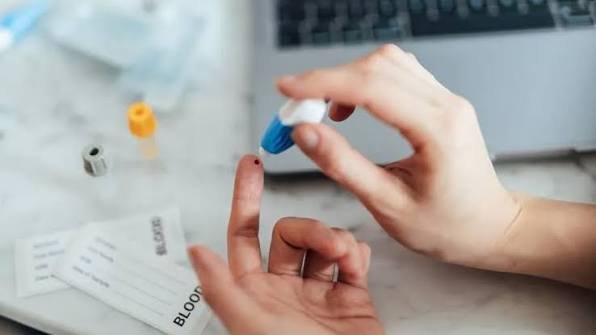
Fasting blood tests are commonly recommended to help assess different aspects of health, including blood sugar levels, cholesterol, and other important health indicators. For patients with busy schedules, Blood Test At Home in Dubai offers a convenient way to complete recommended laboratory investigations without travelling to a diagnostic centre. By arranging sample collection at home, individuals can save time and make routine health monitoring easier to manage. A qualified healthcare professional or a Doctor at Home service can also help patients understand preparation instructions, clarify fasting requirements, and ensure the collection process follows appropriate safety procedures. Knowing how fasting works, which precautions to follow, and what happens after sample collection can help patients prepare confidently and obtain reliable laboratory results.
What Is a Fasting Blood Test?:
A fasting blood test is a laboratory investigation performed after a patient has avoided food and certain drinks for a specified period, according to the requirements of the test. Fasting can help standardise certain measurements by reducing the influence of recently consumed food and beverages. Healthcare professionals may recommend fasting for selected blood glucose tests, some lipid assessments, or other investigations when clinically appropriate. However, not every blood test requires fasting, and requirements can vary depending on the test, laboratory, and individual circumstances. Before scheduling your appointment, confirm the exact instructions with your healthcare provider or laboratory rather than assuming that all investigations require the same preparation.
Why Do Doctors Recommend Fasting Before Certain Blood Tests?:
Food and beverages can temporarily affect some substances measured in the blood, which may influence how particular results are interpreted. For example, a fasting plasma glucose test measures blood sugar after a period without food and is used to assess glucose regulation. In selected circumstances, a healthcare professional may also request a fasting lipid profile to evaluate cholesterol and triglyceride levels under specified conditions. Fasting is not automatically necessary for every cholesterol test, so patients should follow the instructions given for their particular investigation. The purpose of preparation is to obtain results that are appropriate for the clinical question being assessed, helping healthcare professionals make informed decisions about diagnosis, treatment, or ongoing monitoring.
How Long Should You Fast Before a Blood Test?:
The required fasting period depends on the specific test and the instructions provided by the healthcare professional or laboratory. Some tests may require approximately eight to twelve hours without food, while others have different requirements or do not require fasting at all. Patients should never extend a fasting period unnecessarily because prolonged fasting may cause discomfort or create risks for people with certain medical conditions. When booking Blood Test At Home in Dubai, ask the provider to explain when you should stop eating and when your sample collection is scheduled. If you have diabetes, are pregnant, are elderly, or take medication that must be coordinated with meals, obtain individual medical advice before fasting.
What Can You Drink During a Fasting Blood Test?:
Plain water is generally permitted during many fasting blood tests and can help maintain hydration, making blood collection easier for some patients. However, coffee, tea, juice, milk, soft drinks, and other beverages may affect certain measurements or violate the laboratory’s fasting instructions. Even drinks described as sugar-free may contain ingredients that are not permitted during a particular fasting period. Unless your healthcare provider gives different instructions, avoid consuming anything other than plain water when fasting is required. Do not smoke, chew gum, or use supplements during the fasting period without checking the instructions, as these may be discouraged for certain tests. If you accidentally consume something other than permitted water, inform the healthcare professional before collection.
Benefits of Choosing a Fasting Blood Test at Home in Dubai:
Home blood testing can make fasting appointments more manageable, particularly for people who find travelling inconvenient or need to coordinate testing around work and family responsibilities. Instead of travelling to a laboratory while fasting, patients can arrange for a qualified professional to collect their sample at home, subject to provider availability. This can be especially useful for older adults, people with mobility limitations, and individuals who require regular monitoring for an existing medical condition. Additional benefits may include:
-
Convenience: Sample collection takes place at your preferred location when appointments are available.
-
Less travel: Patients can avoid commuting to a diagnostic centre.
-
Flexible scheduling: Appointments may be arranged around fasting requirements and daily routines.
-
Comfort: Patients can remain in a familiar environment during sample collection.
-
Simplified care coordination: Families can help organise testing and follow-up appointments.
Although home collection offers practical advantages, patients should still confirm the provider’s qualifications, laboratory arrangements, and sample handling procedures.
How to Prepare for a Fasting Blood Test at Home:
Good preparation helps patients follow the required fasting period and makes the collection process more straightforward. Before the appointment, confirm which tests have been requested and whether fasting is necessary. Ask your healthcare provider how to manage regular medication, particularly if you take insulin or other diabetes medicines. Never change or skip prescribed medication without specific medical instructions. It is also useful to keep your identification, test request, and relevant medical information available. Follow these preparation tips:
-
Schedule the appointment at a time that suits the required fasting period.
-
Eat your last meal at the time recommended by your healthcare provider.
-
Drink plain water if permitted by your fasting instructions.
-
Avoid unauthorised snacks, sweetened drinks, and other restricted beverages.
-
Inform the collection professional about medications, allergies, and previous fainting episodes.
-
Prepare a clean, comfortable area for sample collection.
If you become unwell while fasting, seek appropriate medical advice instead of forcing yourself to continue.
Who Should Take Extra Precautions Before Fasting?:
Although fasting is routine for many patients, it may not be suitable without individual guidance for everyone. People with diabetes may experience low blood sugar if they fast while using insulin or certain glucose-lowering medicines. Older adults, pregnant individuals, people with a history of fainting, and patients with medical conditions affected by missed meals may also require specific instructions. Children should follow age-appropriate medical advice rather than general adult fasting guidance. Patients taking medication that must be taken with food should consult their healthcare provider before changing their eating schedule. If fasting presents a potential risk, the doctor may adjust the testing plan, recommend a different collection time, or determine whether a non-fasting test is suitable.
What Happens During and After Home Blood Collection?:
During a home blood test appointment, a qualified phlebotomist or appropriately trained healthcare professional will confirm the requested tests, prepare the collection equipment, and obtain the blood sample using suitable procedures. Patients should remain comfortably seated and tell the professional if they feel dizzy, anxious, or unwell. After collection, pressure is usually applied to the puncture site to reduce bleeding, and a small dressing may be placed over it. Once the sample has been collected, patients who were fasting can generally eat unless they have received different medical instructions. People with diabetes should follow their individual plan for meals and medication. If bleeding persists, or significant swelling, severe pain, or fainting occurs, seek appropriate medical assistance.
Common Mistakes to Avoid Before a Fasting Blood Test:
Preparation errors can lead to delays, discomfort, or results that are difficult to interpret. Patients should avoid assuming that every blood test requires fasting or that every test uses the same fasting period. Drinking coffee, consuming small snacks, or taking supplements without checking the instructions may interfere with some testing protocols. Another common mistake is changing medication without professional guidance. To avoid unnecessary complications, remember to:
-
Confirm the exact fasting period before the appointment.
-
Avoid food and restricted beverages during the required period.
-
Do not stop prescribed medicines without medical advice.
-
Tell the healthcare provider if you accidentally break your fast.
-
Follow instructions about hydration and physical activity.
-
Review the final report with a qualified healthcare professional.
Being transparent about preparation helps the laboratory and healthcare provider decide whether the sample can be collected as planned.
Final Thoughts
Fasting blood tests can provide valuable information about blood glucose, cholesterol, and other health indicators when they are recommended for appropriate clinical reasons. Understanding the fasting period, following beverage restrictions, reviewing medication instructions, and communicating with your healthcare provider can make the process safer and more convenient. Blood Test At Home in Dubai offers an accessible option for patients who prefer sample collection in a familiar environment, helping them fit recommended testing into their routines. Always follow the instructions provided for your specific investigation, and seek individual medical advice if fasting could affect your health. With proper preparation and professional follow-up, fasting blood testing can support informed decisions about your ongoing healthcare.