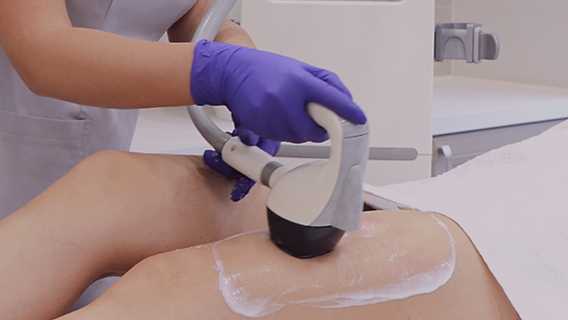
VelaShape 3 is a non-invasive body-contouring treatment designed to improve the appearance of cellulite, smooth uneven skin texture, and refine selected body areas. It combines infrared light, bipolar radiofrequency, vacuum suction, and mechanical massage to deliver controlled heating and tissue manipulation. Although many people may be suitable candidates, VelaShape 3 is not automatically appropriate for every skin type or medical condition. Individuals considering علاج فيلاشيب 3 في دبي should understand how skin characteristics, sensitivity, and overall health can influence treatment suitability. A professional assessment is important for determining whether the procedure is appropriate for individual needs.
Is VelaShape 3 Suitable for Every Skin Type?
VelaShape 3 may be suitable for people with different skin tones and types, but suitability depends on more than skin colour or whether the skin is oily, dry, or combination.
Unlike treatments that rely primarily on targeting pigment in the skin, VelaShape 3 combines infrared energy and radiofrequency with suction and mechanical massage. However, the treatment still produces heat and applies mechanical pressure, so skin condition, sensation, circulation, and medical history must be considered.
A qualified practitioner should evaluate the intended treatment area and review relevant health factors before recommending the procedure.
How Does Skin Type Affect Treatment Suitability?
Normal Skin:
People with generally healthy skin and no significant irritation may be suitable candidates if they want to improve the appearance of cellulite or localized body contours.
The practitioner should still assess the treatment area, discuss expectations, and select appropriate settings. Healthy skin does not eliminate the possibility of side effects.
Dry Skin:
Dry skin is not necessarily a barrier to VelaShape 3. However, areas with significant dryness, cracking, irritation, or a weakened skin barrier may require additional care or postponement.
The practitioner can determine whether the skin is healthy enough for treatment and explain how to prepare the area appropriately.
Oily Skin:
Oily skin alone does not usually determine whether someone is suitable for body-contouring treatment. VelaShape 3 is not primarily intended to treat excess facial oil or acne, but oily skin on the body does not automatically prevent treatment.
The condition of the intended treatment area and the individual’s overall health remain important considerations.
Sensitive Skin:
People with sensitive skin may require additional precautions because VelaShape 3 combines controlled heating with suction and mechanical massage.
Sensitive areas may be more prone to temporary redness, tenderness, or irritation. The practitioner should assess skin tolerance and determine whether the treatment can be performed safely.
If the area is already inflamed, painful, or irritated, treatment may need to be postponed until the skin has recovered.
Darker Skin Tones:
People with darker skin tones may be candidates for VelaShape 3, but suitability should still be assessed individually.
Because the treatment uses heat and mechanical manipulation, the practitioner must consider the possibility of burns, irritation, or changes in skin pigmentation. Any history of post-inflammatory hyperpigmentation or unusual skin reactions should be discussed before treatment.
Appropriate device settings and careful technique are important for reducing avoidable risks.
What Skin Conditions May Affect Suitability?
Skin type is only one part of the assessment. Certain conditions affecting the treatment area may require treatment to be delayed or avoided.
These include:
-
Active skin infections.
-
Open wounds or broken skin.
-
Significant inflammation or irritation.
-
Recent skin injury or burns.
-
Conditions that affect skin sensation or circulation.
People with medical conditions that may affect healing or increase sensitivity to heat should also seek individualized advice.
The practitioner should review the treatment area and relevant medical history before deciding whether to proceed.
Does VelaShape 3 Cause Skin Irritation?
Some people experience temporary redness, warmth, tenderness, or mild swelling after treatment. These effects are generally short-lived, although the duration and intensity vary.
The risk of irritation may increase if the treatment is unsuitable for the individual, the settings are inappropriate, or excessive heat or pressure is applied.
Tell the practitioner immediately if you experience excessive heat or significant discomfort during the procedure. Seek medical advice if you develop severe pain, blistering, or worsening skin changes afterward.
How Can You Prepare Your Skin Before Treatment?
Appropriate preparation can help the practitioner assess your skin and reduce avoidable irritation.
-
Discuss your skin history: Mention sensitivity, pigmentation changes, allergies, and previous reactions to cosmetic treatments.
-
Disclose medical information: Explain any relevant medical conditions, medications, or implanted devices.
-
Avoid treating irritated skin: Inform the practitioner about cuts, rashes, burns, or infections in the intended area.
-
Follow preparation instructions: Use only the recommended products and preparation methods.
-
Ask about potential risks: Understand what reactions may occur and when to seek medical advice.
Do not discontinue prescribed medication without consulting the healthcare professional responsible for your care.
Who Should Seek Extra Medical Advice?
A consultation is particularly important for people with medical conditions that may affect circulation, sensation, or healing, as well as those with implanted electronic devices or metal implants near the treatment area.
Pregnant individuals should seek individualized medical advice and generally postpone elective body-contouring treatments unless a qualified healthcare professional advises otherwise.
The exact precautions depend on the device, treatment area, and individual circumstances. A practitioner should explain any relevant contraindications before the procedure.
Frequently Asked Questions:
Can VelaShape 3 Be Used on Dark Skin?
People with darker skin tones may be suitable candidates, but individual assessment is important. The practitioner should consider skin condition, medical history, and the potential for heat-related injury or pigmentation changes.
Is VelaShape 3 Suitable for Sensitive Skin?
Some people with sensitive skin may be candidates, but they may need additional precautions. Active irritation or inflammation should be assessed before treatment.
Can People With Dry Skin Have VelaShape 3?
Dry skin does not automatically prevent treatment. However, severely dry, cracked, or irritated skin may require postponement.
Does VelaShape 3 Work Differently on Different Skin Types?
Results may vary according to skin condition, tissue characteristics, treatment settings, and individual response. A practitioner should customize the approach appropriately.
Is a Consultation Necessary Before Treatment?
Yes, a consultation is strongly recommended to assess suitability, identify potential contraindications, and explain realistic results and possible side effects.
Conclusion:
VelaShape 3 Treatment may be suitable for people with different skin tones and types, but it cannot be recommended automatically for everyone. Skin sensitivity, existing irritation, medical history, circulation, and the condition of the treatment area all influence suitability. A professional assessment helps identify potential risks and determine whether the procedure is appropriate. Before choosing VelaShape 3, consult a qualified practitioner to discuss your skin concerns, expected results, and any precautions needed to support safe treatment.