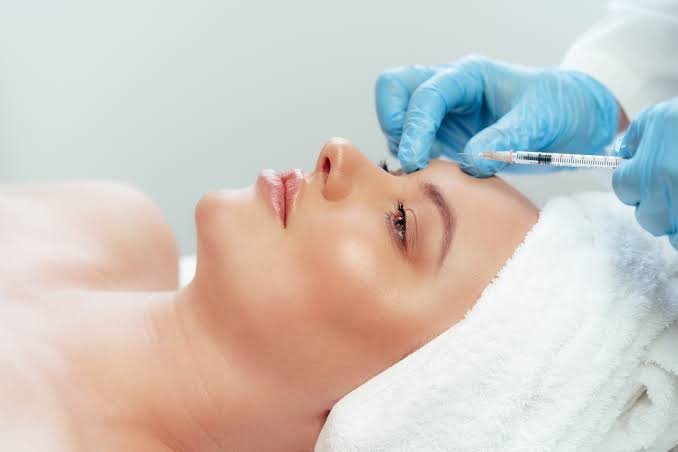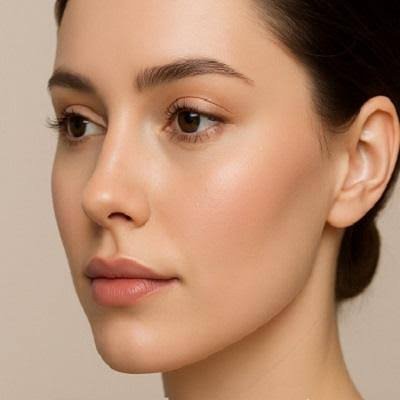
Well-defined cheekbones can add dimension to the face and create a more balanced appearance. However, some people naturally have flatter cheeks, while others notice a loss of facial volume as they age. Dermal fillers offer a non-surgical option for enhancing cheek contours by adding volume to selected areas around the cheekbones. For people exploring Cheek Augmentation in Dubai, understanding how fillers work can help them decide whether this treatment suits their aesthetic goals. The aim is to enhance existing facial features while maintaining natural-looking proportions.
How Dermal Fillers Improve Cheekbone Definition
Dermal fillers are injectable products placed beneath the skin to add volume and improve facial contours. When used around the cheekbones, they can create a fuller appearance and make the cheek area look more prominent. Hyaluronic acid fillers are commonly used for this purpose, although other materials may be available depending on the treatment plan. The outcome depends on the product, injection technique, amount used, and the person’s natural facial structure. Fillers enhance the appearance of the cheekbones rather than changing the underlying bone itself.
Main Benefits of Cheek Filler Treatment
Cheek fillers can address several concerns related to facial volume and contour. The benefits vary according to the individual’s anatomy and the amount of enhancement required.
-
More defined cheek contours: Carefully placed filler can make the cheekbones appear more prominent.
-
Restored facial volume: Treatment may help address hollowness or volume loss in the midface.
-
Improved facial balance: Adding volume to selected areas can help create a more harmonious relationship between the cheeks and other facial features.
-
A refreshed appearance: Restoring lost volume may soften the appearance of certain age-related changes.
-
A non-surgical approach: Injectable fillers can enhance cheek contours without the incisions required for cheek implant surgery.
Choosing the Right Filler for Cheek Enhancement
Different dermal fillers have different properties, including firmness, flexibility, and how long their effects may last. Hyaluronic acid fillers are commonly used for cheek enhancement because they can add volume and, in suitable cases, can be dissolved by a trained professional using an appropriate enzyme. Other filler materials may have different characteristics and may be more difficult to reverse. The provider should explain which product is being considered, why it suits the treatment area, and what options exist if a complication occurs. Product selection should be based on facial anatomy, medical history, and realistic treatment goals.
Creating Natural-Looking Cheek Contours
The goal of cheek enhancement is not necessarily to create very prominent cheekbones. Too much filler can make the face appear overly full or affect its natural proportions. A balanced treatment plan considers the width of the face, existing cheek volume, skin condition, and the relationship between the cheeks, temples, and jawline.
Important factors include:
-
The natural shape and projection of the cheekbones
-
Any existing hollowness or volume loss
-
Facial symmetry and overall proportions
-
Skin condition and soft-tissue support
-
The patient’s preferred level of enhancement
-
Previous filler treatments or facial procedures
A gradual, conservative approach may help the provider assess how added volume affects the overall appearance before considering any further treatment.
What Happens During a Cheek Filler Appointment?
Treatment generally begins with a consultation in which the provider reviews medical history, allergies, medications, previous cosmetic procedures, and desired results. The cheeks are assessed to determine where additional volume may be suitable. The skin is then cleaned, and a numbing method may be used to improve comfort. The filler is injected into selected areas using a needle or cannula, depending on the technique and the provider’s assessment.
The injection portion often takes around 15 to 30 minutes, although the overall appointment may take longer. Some improvement can be visible immediately, but swelling may temporarily affect the result. The final appearance should be assessed after the initial swelling has settled.
Recovery and Aftercare Following Cheek Fillers
Most people can return to their usual activities relatively quickly, although temporary swelling, tenderness, redness, and bruising may occur. These effects often improve over several days, but recovery differs between individuals and products. The provider should give specific aftercare instructions based on the treatment performed.
General precautions may include:
-
Avoid pressing, rubbing, or massaging the treated area unless instructed.
-
Follow the provider’s advice about exercise and other activities immediately after treatment.
-
Keep the injection sites clean and follow guidance about skincare and makeup.
-
Attend any recommended follow-up appointment.
-
Contact the provider if swelling or discomfort persists or worsens.
Seek urgent medical attention for severe or unusual pain, pale or mottled skin, sudden skin colour changes, or any visual disturbance after filler injections. These symptoms can indicate a rare but serious complication involving a blood vessel.
Understanding the Risks and Limitations
Cheek fillers are non-surgical, but they are still medical procedures. Common side effects include swelling, bruising, redness, tenderness, and temporary discomfort. Other possible complications include infection, lumps, asymmetry, filler migration, and allergic reactions. Rarely, filler can enter a blood vessel and obstruct blood flow, potentially causing tissue damage, vision loss, or stroke. These risks make the choice of an appropriately qualified and experienced medical professional especially important. Fillers also provide temporary enhancement in many cases, so maintenance may be needed if the patient wishes to preserve the result.
Who May Be Suitable for Cheek Fillers?
Cheek fillers may be considered by adults who want to enhance cheek contours, restore volume, or address mild hollowness without undergoing surgery. Suitability depends on facial anatomy, medical history, allergies, previous treatments, and personal expectations. People who are pregnant or breastfeeding, have certain active infections, or have particular medical conditions may need to postpone treatment or avoid it. A qualified provider should review individual circumstances before recommending injections. The consultation should also establish whether fillers are likely to achieve the desired result or whether another approach would be more appropriate.
Exploring Cheek Augmentation in Dubai
When researching cheek augmentation in Dubai, consider the provider’s qualifications, experience with facial anatomy, product selection, and ability to manage complications. Ask what type of filler will be used, what results are realistic, how long the effects may last, and what follow-up care is available. Before-and-after photographs may help explain the provider’s approach, but individual outcomes can differ. Dynamic Life Clinic is one option to consider when researching cosmetic treatment providers. Independently verify the treating professional’s credentials and experience before deciding whether to proceed.
Frequently Asked Questions
Can dermal fillers make cheekbones look more prominent?
Yes. Carefully placed fillers can add volume around the cheekbones and make them appear more defined. The degree of enhancement depends on facial anatomy, the filler selected, and the injection technique.
Are cheek fillers a permanent treatment?
Many commonly used fillers are temporary and are gradually absorbed by the body. How long the result lasts depends on the product, treatment area, and individual factors.
How soon can results be seen?
Some improvement is often visible immediately, but initial swelling can affect the appearance. The result becomes easier to assess once the swelling has settled.
Do cheek fillers change the shape of the facial bones?
No. Dermal fillers add volume to soft tissue and do not reshape the underlying cheekbones. They can create the appearance of more prominent contours without bone surgery.
Are cheek fillers safe for everyone?
No cosmetic injection is risk-free, and fillers are not suitable for everyone. A qualified medical professional should assess medical history, allergies, facial anatomy, and expectations before treatment.
Conclusion
Dermal fillers can enhance cheekbone definition by adding volume to selected areas, restoring fullness, and refining facial contours without surgery. The most suitable results depend on careful product selection, appropriate injection technique, and respect for natural facial proportions. Although treatment usually involves limited downtime, fillers carry risks, including rare but serious vascular complications. A consultation with a qualified medical professional can help determine whether cheek fillers are suitable and establish realistic expectations for a balanced, natural-looking result.