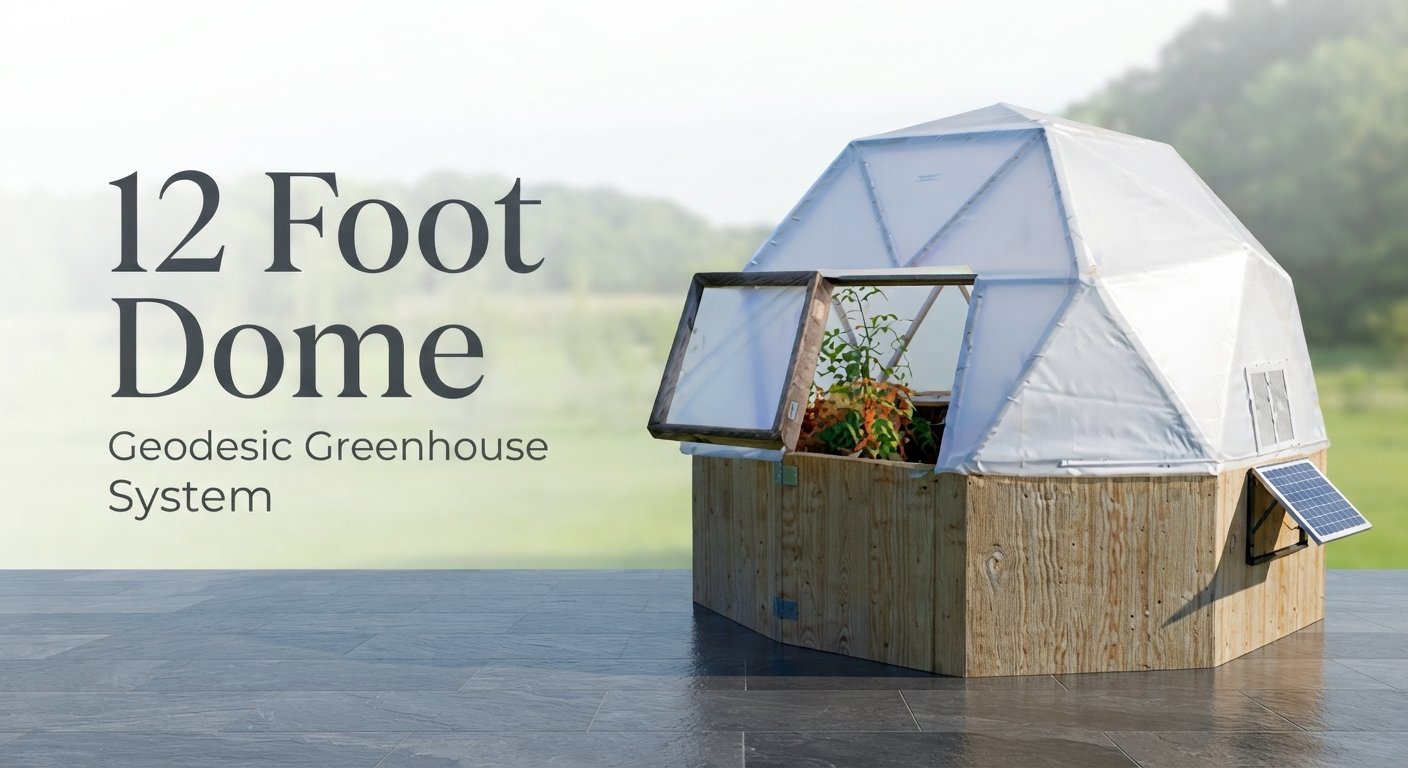
Backyard gardening is a practical way to grow fresh vegetables, herbs, and flowers while making better use of outdoor space. However, gardeners often need to balance available room, plant requirements, and the time needed for regular maintenance. A 12 Ft Dome Greenhouse can be a suitable option for people who want a dedicated growing area without committing to a much larger structure.
Whether this size works for your garden depends on the number of plants you want to grow, the layout of your backyard, and the local weather. Understanding its potential benefits and limitations can help you decide how to use a compact greenhouse effectively.
1. Understanding the Space Available
One of the main considerations when choosing a greenhouse is how much growing space it provides. A 12-foot dome can create a defined area for containers, seedlings, and selected vegetable crops, but the usable space depends on the structure’s exact dimensions and interior arrangement.
Before installation, measure the available backyard area and account for doors, access paths, and room to work around the structure. A greenhouse should not make everyday gardening tasks difficult or block important access points.
It is also useful to plan the interior before placing plants inside. Decide which crops need larger containers, which can grow on shelves, and where you will keep gardening tools. This preparation can help prevent overcrowding and make routine maintenance easier.
2. Choosing the Right Plants for a 12 Ft Dome Greenhouse
The best plants for a compact greenhouse are those that suit the available space and growing conditions. Leafy greens, herbs, radishes, and green onions can be useful choices because many varieties grow well in containers or smaller planting areas.
Gardeners interested in tomatoes and peppers can consider compact varieties. These crops may require larger pots, regular feeding, and support as they grow, so their placement should be planned carefully.
Cucumbers and climbing beans can also be options when suitable varieties and supports are used. However, vigorous plants may occupy more space than expected, particularly when their leaves and stems spread.
Choose crops based on their mature size, light requirements, and growing season. Starting with a manageable selection makes it easier to understand how plants perform before adding more varieties.
3. Making Efficient Use of the Interior
Good organization can make a noticeable difference in a small greenhouse. Instead of filling every available area with pots, create a layout that leaves enough room for watering, pruning, and harvesting.
Use shelves for seed trays, small containers, and young plants where light conditions are appropriate. Keep larger containers on the ground and arrange plants so taller varieties do not block sunlight from shorter ones.
Vertical supports can help climbing plants grow upward rather than spreading across the floor. Make sure supports are stable and suitable for the weight of mature plants. Do not attach heavy items to greenhouse components unless they are designed to support them.
A simple layout that allows comfortable access is often more useful than squeezing in the maximum number of containers. Healthy plants need adequate spacing and airflow as well as room for their roots.
4. Managing Sunlight Throughout the Day
Sunlight plays an important role in vegetable growth, flowering, and fruit production. Before installing a greenhouse, observe how sunlight moves across your backyard and identify a location that receives suitable light for your preferred crops.
Tomatoes and peppers generally need plenty of light, while some leafy greens can tolerate partial shade. If you plan to grow several types of vegetables, group plants according to their lighting needs.
Nearby walls, fences, trees, and buildings may cast shadows during parts of the day. The greenhouse covering also affects how much light reaches the plants, so consider the material and its light-transmission properties when comparing products.
In hot conditions, strong sunlight can increase interior temperatures quickly. Appropriate shading and ventilation may help reduce heat stress, especially during the warmest parts of the year.
5. Controlling Temperature and Ventilation
A greenhouse creates a more enclosed growing environment, but it does not automatically maintain the ideal temperature for every crop. On sunny days, the inside can become considerably warmer than the surrounding air.
Ventilation helps release excess heat and moisture. Depending on the structure’s design, this may involve opening doors or using suitable vents. Check the product specifications to understand which ventilation features are included and whether additional equipment may be needed.
A basic thermometer can help you monitor temperature changes. During warm weather, check conditions regularly and provide airflow when necessary. In cooler periods, manage openings according to the needs of your plants and the outside conditions.
Good airflow can also reduce persistent humidity around leaves. Avoid overcrowding plants, remove damaged foliage, and water the growing medium carefully to help maintain a healthier environment.
6. Considering Watering and Soil Requirements
Plants growing in containers may need more frequent watering than plants growing directly in the ground. Small containers can dry out quickly, particularly when temperatures rise or plants become larger.
Use containers with drainage holes and a suitable potting mix. Check soil moisture before watering, then water thoroughly enough to reach the root zone without leaving the container sitting in excess water.
Nutrients are another important consideration. Repeated watering can gradually remove nutrients from container growing media, so vegetable plants may benefit from a suitable fertilizer applied according to label directions.
Grouping plants with similar water requirements can simplify maintenance. It also helps you avoid giving too much water to plants that prefer slightly drier conditions.
7. Preparing the Backyard for Installation
The greenhouse location should provide a suitable foundation and convenient access. Check whether the ground or deck can support the structure and its intended use. Follow the manufacturer’s installation instructions, including any requirements for anchoring and securing the greenhouse.
Wind exposure deserves particular attention. An exposed backyard may require additional precautions to secure the structure safely. Avoid assuming that a dome shape alone makes a greenhouse suitable for every weather condition.
Consider drainage as well. Water should not collect around the base after rain, and the location should be accessible when you need to maintain plants or inspect the structure.
Before buying, review the dimensions, covering material, included components, anchoring requirements, and any local restrictions that may apply. These details help you determine whether the greenhouse suits your property.
8. Is a 12 Ft Dome Greenhouse Right for Your Gardening Goals?
A 12-foot dome can be a practical choice for gardeners who want a dedicated space for selected vegetables, herbs, seedlings, or seasonal plants. It may be particularly useful when a large greenhouse would take up too much of the backyard.
However, it may not provide enough room for a large collection of mature plants, wide-spreading crops, or extensive gardening equipment. Your preferred growing methods and the amount of maintenance you can manage should guide the decision.
If you are comparing greenhouse options, Dome Greenhouses provides a starting point for reviewing available designs and deciding which structure may suit your gardening plans. Compare the listed dimensions and setup requirements with your intended location before making a choice.
Final Thoughts
A 12 Ft Dome Greenhouse can suit backyard gardening when its size matches your growing goals and available outdoor space. Careful plant selection, an organized layout, adequate sunlight, and reliable ventilation can help you make better use of the interior.
Before installation, assess your backyard conditions and decide which crops matter most to you. Starting with a few suitable varieties gives you room to learn, adjust your layout, and build a productive gardening routine over time.
FAQs
1. What can I grow in a 12 Ft Dome Greenhouse?
You can grow many herbs, leafy greens, radishes, green onions, and selected varieties of tomatoes, peppers, and cucumbers. Suitability depends on the available space and growing conditions.
2. Is a 12-foot greenhouse suitable for beginners?
It can be a manageable option for beginners who want to start with a limited number of plants. A simple layout and easy-to-grow crops can make routine care less complicated.
3. Does a dome greenhouse need ventilation?
Yes. Ventilation helps control excess heat and moisture. The appropriate ventilation method depends on the greenhouse design, local climate, and crops being grown.
4. Can I grow vegetables in containers inside a dome greenhouse?
Yes. Containers with suitable drainage and potting mix can support many vegetables. Choose pots that provide enough root space for each plant’s mature size.
5. What should I check before installing a 12 Ft Dome Greenhouse?
Check the available space, sunlight, drainage, wind exposure, anchoring requirements, dimensions, and ventilation features. Follow the manufacturer’s installation guidance to help ensure the structure is properly secured.