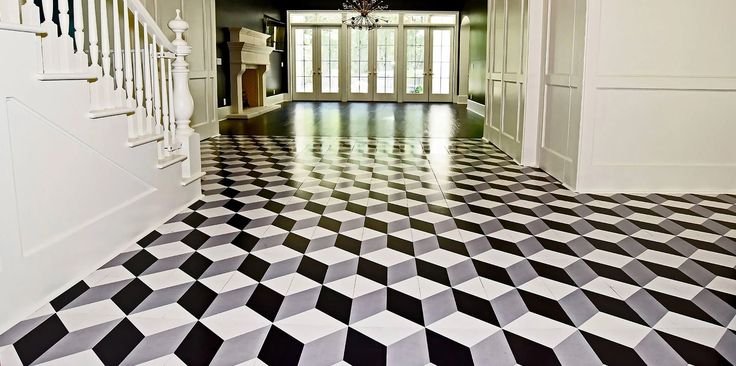
Flooring is an important part of any interior because it influences the appearance, comfort, and maintenance needs of a space. Tile is a popular choice for homes and commercial properties because it comes in many colors, patterns, sizes, and finishes. From elegant living rooms to practical kitchens and bathrooms, the right tiles can create a clean, attractive surface that complements different design styles.
When planning a new floor, property owners should consider how each room will be used. Areas exposed to moisture need suitable tiles with appropriate slip resistance, while busy hallways and commercial spaces benefit from materials designed to handle frequent foot traffic. The size of the room, lighting conditions, cleaning requirements, and available budget also affect the final decision. Choosing materials based on these factors helps create a floor that balances appearance with everyday practicality.
Understanding Different Types of Floor Tiles
Ceramic tiles are widely used because they offer a broad selection of colors, patterns, and finishes. They can work well in many residential areas, including kitchens, bathrooms, and living spaces. Porcelain tiles are denser than standard ceramic tiles and generally have lower water absorption, making them suitable for many demanding indoor applications. However, the right product still depends on the intended location and the manufacturer’s specifications.
Natural stone tiles, including marble, slate, and travertine, provide distinctive patterns and textures. Each piece may have natural variations that give the floor a unique appearance. Stone can create an elegant finish, but some types require sealing and specialized cleaning products. Homeowners should understand the maintenance needs before choosing natural stone, particularly in areas where spills, moisture, or heavy use are common.
Selecting the Best Tile Style for Each Room
Large-format tiles can make a room appear more open by reducing the number of visible grout lines. Smaller tiles are useful for creating decorative patterns and covering areas with complex shapes. Matte finishes may offer a more understated appearance, while polished tiles reflect more light. In bathrooms and other wet areas, surface texture and slip resistance should be considered carefully rather than choosing a tile based on appearance alone.
Benefits of Installing Tile Flooring
One of the main advantages of tile is its ability to withstand everyday use when the correct product is selected and installed properly. Many porcelain and ceramic tiles resist scratches, stains, and moisture better than some other flooring materials. This makes them useful for kitchens, entrances, laundry rooms, and other areas where spills or dirt are common. Their hard surfaces can also be convenient for households with busy routines.
Tile Flooring Service in Houston provides considerable design flexibility. Neutral shades can create a simple, timeless interior, while patterned designs can introduce color and visual interest. Wood-look tiles offer the appearance of timber with the practical characteristics of ceramic or porcelain, depending on the product. Stone-effect tiles can provide a natural aesthetic without requiring the same care as some natural stone materials. These options allow property owners to coordinate the floor with cabinets, wall colors, furniture, and other decorative elements.
Another benefit is straightforward routine cleaning. Sweeping or vacuuming removes loose dirt, while damp mopping with a suitable cleaner helps maintain the surface. Grout lines may need additional care because dirt can collect in the joints. With suitable materials and an appropriate maintenance routine, tile can remain attractive for many years.
Preparing the Surface Before Tile Installation
A successful tile project begins with a suitable foundation. The subfloor must be stable, clean, and sufficiently level for the selected tile system. Cracks, movement, moisture, or uneven areas should be assessed before installation begins. If the underlying surface is not properly prepared, tiles may crack, loosen, or develop uneven edges after the floor is in use.
Measurements and layout planning are equally important. The installer should consider the room’s dimensions, doorways, cabinets, and transitions to adjoining flooring. Planning the tile arrangement before applying adhesive can reduce unnecessary cuts and help maintain balanced spacing. It also allows the installer to decide where cut tiles should be placed so that the finished design looks consistent.
The correct setting materials should be selected for the tile type and installation location. Some projects may require a suitable underlayment or waterproofing system, particularly in wet areas. Using materials that follow the product specifications helps support the finished floor. Attention to these preparation details reduces the likelihood of problems that may be difficult or costly to correct later.
The Tile Flooring Installation Process
Once the surface is ready, tiles are arranged according to the planned layout. The installer applies an appropriate adhesive or mortar and positions each tile with consistent spacing. Spacers help maintain even grout joints, while careful checks during installation help keep the rows aligned. Cutting tools are used around corners, pipes, door frames, and other obstacles to create a neat finish.
After the setting material has cured for the required period, grout is applied to the joints. The excess grout is cleaned from the tile surface, and the finished floor is left to cure according to the manufacturer’s instructions. Certain materials may also require sealing, depending on the tile and grout selected. The floor should not be subjected to heavy use until the installation materials have reached the appropriate stage of curing.
Professional installation can be especially useful for large rooms, intricate patterns, natural stone, and spaces that require waterproofing. Experienced installers understand how to manage tile alignment, joint spacing, surface preparation, and transitions. These details contribute to a level, attractive finish and help reduce avoidable installation problems.
Maintaining Tile Floors for Long-Term Performance
Routine cleaning helps preserve the appearance of tiled surfaces. Loose dirt should be removed regularly because grit can dull certain finishes or scratch more delicate materials. A damp mop and a cleaner suitable for the tile type are usually enough for ordinary cleaning. Strong acids or abrasive products should be avoided when they may damage the tile, grout, or protective coating.
Grout requires particular attention because its porous structure can collect dirt and stains. Cleaning it with an appropriate product can help maintain a consistent appearance. Depending on the grout type and the installation, sealing may help reduce staining and moisture absorption. Spills should be cleaned promptly, especially around cooking areas and bathrooms, where oils, soap residue, and other substances may build up.
It is also important to inspect the floor occasionally for cracked tiles, loose sections, or damaged grout. A damaged tile can sometimes be replaced individually if matching material is available and the surrounding surface remains sound. Repairing small problems early may help prevent moisture from entering vulnerable areas or causing further deterioration beneath the floor.
Common Tile Flooring Problems and Their Solutions
Cracked tiles can result from impact, movement in the subfloor, poor installation, or inadequate support beneath the tile. Replacing the damaged tile may solve the visible issue, but the underlying cause should be investigated before a repair is completed. Otherwise, the same problem may return in the same location.
Uneven tile edges, often called lippage, can affect the appearance and create an uncomfortable walking surface. This issue may occur when the substrate is uneven, tiles vary in shape, or installation techniques are unsuitable for the material. Proper preparation and careful placement help reduce this risk. Loose tiles or deteriorating grout should also be assessed to determine whether localized repairs are sufficient.
Stains and discoloration may develop when unsuitable cleaners are used or when dirt accumulates in grout joints. Natural stone can require different treatment from glazed ceramic or porcelain. Identifying the tile material before attempting a repair is important because a product that works on one surface may damage another.
Finding the Right Tile Flooring Contractor
Selecting a suitable contractor is an important part of achieving a successful result. Property owners should ask about experience with the chosen tile type, surface preparation, waterproofing where necessary, grout selection, and installation methods. Reviewing previous work can help show whether the contractor pays attention to alignment, edge finishing, and overall detail.
A written estimate should explain the materials, labor, preparation work, and any additional services included. It is also useful to discuss the expected project timeline, cleanup, warranty coverage, and maintenance recommendations before work begins. Comparing estimates based on the complete scope of work, rather than the lowest price alone, helps property owners make a more informed decision.
Conclusion
Tile offers a versatile flooring option for properties that need a combination of style, durability, and manageable maintenance. With a wide range of ceramic, porcelain, and natural stone products available, homeowners and businesses can choose a design that suits each room’s appearance and practical requirements. The right selection depends on traffic levels, moisture exposure, cleaning needs, and budget.
Investing in quality tile flooring involves more than selecting an attractive pattern. Proper surface preparation, careful installation, suitable grout, and regular maintenance all contribute to a lasting finish. By planning the project thoughtfully and choosing materials for their intended use, property owners can enjoy a tiled floor that complements their space and performs well in everyday conditions.