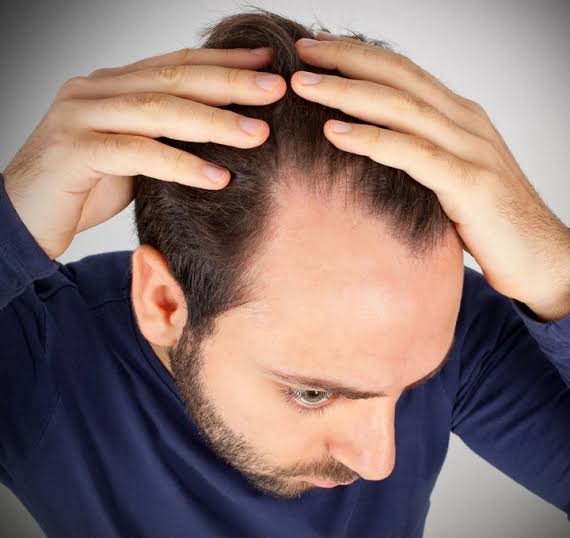
Hair shedding is a normal part of the hair growth cycle, but persistent or unusual hair loss may indicate an underlying problem. Some people notice a receding hairline, a wider parting, or reduced hair volume, while others experience sudden shedding or bald patches. Knowing when to seek professional advice can help you identify the cause and avoid unnecessary delays in treatment. People considering Hair Fall Treatment in Dubai should pay attention to changes in hair density, the speed of shedding, and any symptoms affecting the scalp. Early assessment is particularly important when hair loss progresses quickly, causes visible bald areas, or occurs alongside pain or inflammation.
When Hair Shedding Becomes Excessive
Losing approximately 50–100 hairs daily is generally considered normal, although the amount varies between individuals. You may need an assessment if you consistently notice much more shedding than usual, especially when washing or brushing your hair. An increase in hair on your pillow, clothing, or bathroom floor can be an early warning sign when it continues over time. Excessive shedding may follow illness, surgery, childbirth, significant stress, or rapid weight loss. These triggers can cause temporary hair loss, but other conditions may produce similar symptoms. A healthcare professional can assess the pattern and help determine whether further investigation is needed.
When Your Hairline Starts Receding
A gradually receding hairline is a common sign of hereditary hair loss, particularly in men. The hair may become thinner around the temples and form an M-shaped pattern. Some people also notice thinning around the crown. Women may experience reduced density across the top of the scalp or a widening central parting. A naturally mature hairline does not always indicate a problem, but continued recession or progressive thinning should be assessed. Seeking advice early can help you understand whether hereditary hair loss is developing and whether suitable treatments may help slow further progression.
When Your Parting Becomes Wider
A widening parting can indicate that hair density is decreasing, especially when the change becomes more noticeable over several months. You may see more scalp along the centre of your head even when using the same hairstyle. This can occur with female-pattern hair loss, although temporary shedding and other conditions can also affect hair density. Lighting and styling may make the scalp appear more visible, so look for consistent changes rather than relying on a single photograph. If the parting continues to widen or your hair feels thinner overall, arrange a professional assessment to identify the possible cause.
When Hair Loss Develops Suddenly
Sudden hair loss deserves prompt attention, particularly when it occurs over a few days or weeks. You may notice clumps of hair coming out, rapid thinning, or a sudden change in scalp coverage. Several conditions can cause this pattern, including alopecia areata, certain infections, medication-related shedding, and severe physical stress. Some causes are temporary, while others require specific treatment. Do not assume that sudden shedding will resolve without assessment. Contact a healthcare professional promptly, especially if the hair loss is extensive or accompanied by other symptoms such as fever, illness, or scalp discomfort.
When Bald Patches Appear
Round, smooth, or irregular bald patches should be assessed by a healthcare professional. They may indicate alopecia areata, a fungal infection, or another condition affecting the scalp and hair follicles. Some conditions cause broken hairs, redness, scaling, or itching around the affected area. Others may damage the follicles and cause permanent hair loss if treatment is delayed. Avoid applying harsh chemicals or unverified remedies to bald patches, as these may irritate the skin. An examination can help determine the cause and whether additional testing or targeted treatment is needed.
When Your Scalp Becomes Painful or Irritated
Hair loss accompanied by persistent itching, redness, swelling, burning, tenderness, or scaling may indicate an underlying scalp condition. Infections and inflammatory disorders can affect the follicles, while repeated scratching may contribute to hair breakage. Ordinary dandruff does not usually cause permanent hair loss, but ongoing irritation should not be ignored when thinning is also present. Seek medical advice if scalp symptoms persist or worsen. Prompt assessment is especially important if the scalp becomes painful, develops sores, or shows areas of shiny skin where normal follicle openings are no longer visible.
When Hair Thinning Continues for Months
Gradual hair thinning can be easy to overlook because the change may happen slowly. You might notice that your ponytail is smaller, your hairstyle has less volume, or your scalp becomes more visible in photographs. If these changes continue for several months, professional assessment can help distinguish hereditary hair loss from temporary shedding, breakage, or another medical condition. There is no need to wait until large bald areas develop. Earlier evaluation can be useful because some treatments work best when started before significant thinning occurs, although results depend on the cause and individual circumstances.
When Hair Loss Follows an Illness or Major Stress
Significant physical or emotional stress can trigger a type of hair shedding called telogen effluvium. Common triggers include high fever, surgery, childbirth, severe illness, and rapid weight loss. Shedding often becomes noticeable around two to three months after the triggering event. In many cases, the condition improves when the underlying cause is resolved, but recovery may take several months. Seek professional advice if the shedding is severe, continues for a prolonged period, or causes substantial thinning. A clinician can also investigate other possible contributors, including nutritional deficiencies, thyroid disorders, and medication effects.
When You Notice Other Health Symptoms
Hair loss that occurs alongside unexplained fatigue, changes in weight, irregular menstrual periods, increased facial hair, or changes in skin condition may need further investigation. These symptoms can sometimes be associated with iron deficiency, thyroid disorders, hormonal imbalances, or other medical conditions. Hair loss alone cannot confirm a diagnosis, and not everyone with thinning hair has an underlying illness. However, accompanying symptoms provide important information that can guide the assessment. A healthcare professional may recommend blood tests or other investigations based on your medical history and examination.
When Hair Breakage Becomes Frequent
Not every reduction in hair volume is caused by hair shedding from the roots. Hair can also break because of excessive heat styling, bleaching, chemical straightening, rough brushing, or hairstyles that pull tightly on the strands. You may notice short, uneven pieces of hair rather than complete hairs falling out. Reducing heat exposure, avoiding tight hairstyles, and handling wet hair gently may help prevent further damage. If breakage persists despite changing your hair-care routine, or if it occurs with scalp irritation or bald patches, seek professional advice to rule out other causes.
When Home Remedies Are Not Helping
Changing your shampoo, using oils, or trying hair masks may improve hair texture and reduce dryness, but these approaches do not treat every cause of hair loss. If your hair continues to thin despite several weeks or months of gentle care, it may be time to seek a proper assessment. Avoid taking high-dose vitamins or using prescription hair-loss medicines without suitable guidance. Supplements are generally most helpful when a deficiency exists, and some treatments are unsuitable for certain people. Identifying the underlying cause is more useful than repeatedly switching products without understanding why the hair is falling out.
What Happens During a Hair Loss Assessment?
A professional assessment usually begins with questions about when the hair loss started, how quickly it developed, your family history, recent illnesses, stress, diet, and medication use. The scalp and hair are examined for thinning patterns, broken strands, inflammation, and signs of follicle damage. Depending on the findings, a clinician may use magnification, perform a hair pull test, or recommend blood tests to check iron levels, thyroid function, or other possible contributors. A scalp biopsy is needed only in selected cases. Not everyone requires every test; the assessment is tailored to the symptoms and suspected cause.
Treatment Options After Diagnosis
The appropriate treatment depends on the type and severity of hair loss. Temporary shedding may improve when its trigger is addressed, while confirmed nutritional deficiencies or thyroid disorders may require specific treatment. Topical minoxidil may help some people with hereditary hair loss, while certain prescription treatments require medical supervision. Scalp infections and inflammatory conditions need targeted care. Hair transplantation may be suitable for selected people with permanent thinning and adequate donor hair, but it is not a solution for every type of hair loss. A healthcare professional can explain expected benefits, limitations, side effects, and the time needed to assess results.
Conclusion
You should seek hair fall treatment when shedding becomes persistent, hair density decreases, your hairline recedes progressively, or bald patches appear. Sudden hair loss and thinning accompanied by scalp pain, redness, swelling, or other unexplained symptoms deserve particular attention. Some forms of hair loss are temporary, while others benefit from early treatment to help preserve existing hair. A professional assessment can identify the likely cause and guide the next steps. Rather than relying only on home remedies, seek advice when changes continue or become more noticeable.
Frequently Asked Questions
1. How much hair fall is considered normal?
Losing approximately 50–100 hairs per day is generally considered normal. Persistent shedding above your usual level or visible thinning may require assessment.
2. Should I seek treatment for mild hair thinning?
If thinning continues, your hairline changes, or your scalp becomes more visible, an assessment can help identify the cause. Early advice may be useful even before substantial hair loss develops.
3. Is sudden hair loss a medical concern?
Sudden hair loss can be caused by several conditions, including alopecia areata, infections, or medication-related shedding. Prompt professional assessment is advisable, particularly when bald patches or scalp symptoms appear.
4. Can stress-related hair loss improve on its own?
Yes. Stress-related shedding often improves when the trigger is resolved, although recovery may take several months. Persistent or severe shedding should be assessed to rule out other causes.
5. Can nutritional deficiencies cause hair loss?
Yes. Low iron levels, insufficient protein intake, and certain nutritional deficiencies may contribute to hair shedding. Testing can help determine whether a deficiency is present.
6. When should I see a doctor for bald patches?
Seek medical advice promptly if you develop sudden bald patches, especially if they are spreading or accompanied by itching, scaling, redness, or pain.
7. Can shampoo stop hair fall?
Shampoo can help keep the scalp clean and reduce some types of hair damage, but it cannot treat every cause of hair loss. Treatment depends on the underlying condition.
8. Is hair loss treatment more effective when started early?
Some treatments may be more helpful when started before substantial thinning occurs, particularly for hereditary hair loss. Effectiveness depends on the diagnosis, treatment choice, and individual response.
9. Does everyone with hair loss need blood tests?
No. Blood tests are recommended when the history or examination suggests a possible deficiency, thyroid disorder, hormonal issue, or another medical cause. The clinician decides which tests are appropriate.