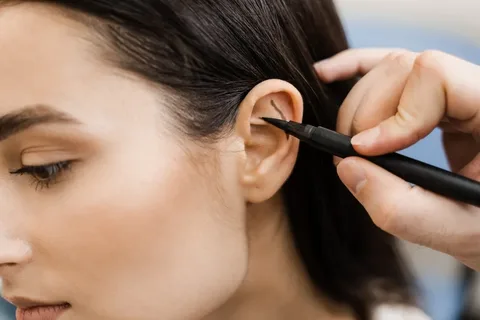
The shape of the ears is a natural part of every person’s appearance, but some individuals feel that their ears stand out more than they would prefer. Prominent ears, uneven contours, or differences in cartilage folds may become long-standing cosmetic concerns. Although these characteristics are usually harmless, they can influence how someone feels about their appearance. Ear Reshaping is a cosmetic procedure that may help improve selected ear features while preserving a natural-looking result.
For people exploring Ear Reshaping in Islamabad, learning about the procedure, its suitability, recovery requirements, and potential risks is an important step. A professional assessment helps determine which approach may be appropriate for an individual’s ear structure and personal goals.
What Is Ear Reshaping Treatment?
Ear Reshaping is a procedure intended to change the contour, position, or structure of the outer ears. One commonly performed surgical option is otoplasty, which may be used to reduce prominent ear appearance or improve certain structural irregularities.
The technique depends on the patient’s anatomy. A surgeon may reshape cartilage, refine natural folds, or reposition the ears closer to the head. The goal is to improve the specific feature causing concern without creating an artificial appearance.
People considering Ear Reshaping in Islamabad should understand that every patient requires an individual assessment. The appropriate treatment for prominent ears may differ from the technique used to address an irregular contour or changes resulting from an injury.
Which Ear Concerns May Be Addressed?
Individuals consider Ear Reshaping for a variety of personal reasons. Some have been concerned about their ears since childhood, while others become interested in treatment during adulthood.
Common concerns include:
-
Ears that project outward more noticeably than desired.
-
Uneven positioning between the left and right ears.
-
Cartilage folds that appear less defined.
-
Selected irregularities following an injury.
-
Differences in ear contours that affect personal confidence.
Natural variations in ear shape are common, and surgery is not necessary for everyone. The decision should be based on personal preferences, realistic expectations, and an understanding of the potential benefits and risks.
Why Is a Personalised Consultation Important?
Before choosing Ear Reshaping in Islamabad, patients should attend a detailed consultation with a suitably qualified surgeon. This appointment allows the surgeon to examine the ears, discuss the desired changes, and review medical history.
The assessment may consider cartilage structure, ear projection, existing asymmetry, previous procedures, and any health conditions that could affect healing. Patients should also disclose medications and allergies so that relevant safety considerations can be addressed.
A consultation should explain the recommended technique, expected results, recovery period, and possible complications. These may include infection, bleeding, scarring, changes in sensation, asymmetry, or the need for additional surgery.
Patients should feel comfortable asking questions and taking time to consider their options. A responsible treatment plan should never promise perfect symmetry or identical results for every person.
How Is Ear Reshaping Performed?
The procedure varies according to the correction required. During otoplasty, an incision may be made behind the ear to access the cartilage. The surgeon may then reshape the cartilage, create or refine a fold, or secure the ear in a less prominent position.
After the planned adjustment, the incision is closed and a dressing may be applied to protect the area. Local or general anaesthesia may be used depending on the patient’s age, medical circumstances, and the complexity of the operation.
For individuals researching Ear Reshaping in Islamabad, it is important to confirm who will perform the procedure, where the surgery will take place, and what safety arrangements are available. Understanding these details helps patients make informed decisions about their care.
How Should You Prepare for the Procedure?
Preparation starts with following the instructions provided by the treating surgeon. Patients should provide accurate information about their medical history, current medication, allergies, previous operations, and any concerns that could influence recovery.
The surgeon may provide guidance regarding smoking, certain medications, and arrangements for returning home after surgery. Patients should not stop prescribed medication without advice from their healthcare professional.
It is also helpful to organise assistance for the initial recovery period and prepare a comfortable place to rest. Understanding the aftercare requirements before treatment can make the healing process easier to manage.
Anyone planning Ear Reshaping should ensure that their questions about anaesthesia, risks, expected results, and follow-up appointments have been answered before consenting to surgery.
What Happens During Recovery?
Recovery after Ear Reshaping differs between individuals. Swelling, bruising, tenderness, and temporary discomfort may occur during the early healing period. These effects generally improve gradually, although the timeline depends on the surgical technique and individual healing response.
A dressing may be used initially, and a supportive headband may be recommended for a period specified by the surgeon. Patients should follow instructions about wound care, sleeping positions, medication, and follow-up visits.
Activities that place pressure on the ears should be avoided during healing. Contact sports and strenuous exercise should only be resumed when the treating surgeon confirms they are safe.
Increasing pain, fever, spreading redness, unusual discharge, or sudden swelling should be reported promptly to a healthcare professional.
Are the Results Long-Lasting?
Surgical Ear Reshaping is intended to produce lasting changes to ear structure. However, results depend on cartilage characteristics, surgical technique, and individual healing. Perfect symmetry cannot be guaranteed, and some patients may require further correction.
As swelling subsides, the final contour becomes easier to assess. Following aftercare instructions and attending follow-up appointments helps the surgeon monitor recovery and address any concerns.
People considering Ear Reshaping in Islamabad should discuss realistic outcomes before treatment. The aim is to improve the particular feature that causes concern while maintaining proportions that look natural for the individual.
Where Can You Learn More About Ear Reshaping?
Choosing a clinic involves checking the surgeon’s qualifications, relevant experience, surgical safety standards, and arrangements for follow-up care. Patients should receive clear information about treatment alternatives, potential complications, and recovery expectations.
Enfield Royal Clinic Islamabad is one clinic people may research when exploring aesthetic services. Before proceeding with Ear Reshaping in Islamabad, confirm whether the specific procedure is offered and verify the qualifications of the professional who would perform it.