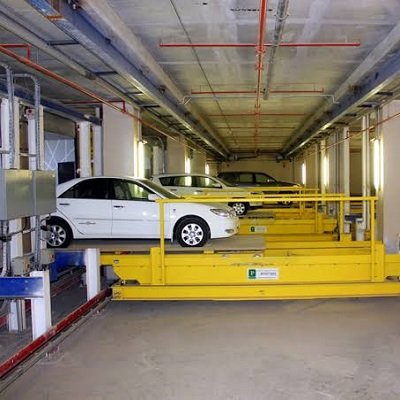
Parking challenges have become increasingly common as Saudi Arabia’s cities continue to expand, commercial districts attract more visitors, and residential communities grow. From busy shopping centers and office complexes to hospitals, hotels, and public facilities, finding an available parking space can be a frustrating experience. Poorly organized parking areas often lead to traffic congestion, wasted time, driver frustration, and inefficient use of valuable space.
A Parking Management System Saudi Arabia offers a practical way to address these challenges through modern technology, automated processes, and better parking space management. By improving how vehicles enter, exit, and occupy parking facilities, these systems help property owners create smoother experiences for drivers while making daily operations easier to manage.
As Saudi Arabia continues to invest in smart cities, digital transformation, and modern infrastructure, intelligent parking solutions are becoming an important part of efficient urban development. Understanding how these systems work, what benefits they provide, and where they can make the greatest difference can help businesses and property managers make informed decisions.
Understanding the Parking Management System Saudi Arabia
A parking management system is a combination of hardware, software, and operational procedures designed to organize and monitor parking facilities. Instead of relying entirely on manual supervision, the system can automate important tasks, including vehicle access, parking availability tracking, payment processing, and parking activity reporting.
A modern Parking Management System Saudi Arabia can include several technologies that work together to improve efficiency.
-
Automatic entry and exit barriers: These control vehicle movement and help prevent unauthorized access.
-
License plate recognition: Cameras identify vehicle registration numbers to support automated access and monitoring.
-
Parking occupancy sensors: These detect whether individual parking spaces are occupied or available.
-
Digital payment options: Drivers can complete payments through supported cashless methods, reducing dependence on manual transactions.
-
Centralized management software: Operators can monitor parking activity, review reports, and manage access permissions from a central platform.
-
Mobile applications and digital displays: Depending on the installation, drivers can locate available spaces and receive useful parking information.
Not every facility requires every feature. A small residential building may benefit from controlled access and basic monitoring, while a large shopping mall may need occupancy tracking, payment integration, and detailed operational reporting.
The most effective solution depends on the facility’s size, traffic patterns, security requirements, and expected visitor volume.
Why Parking Chaos Is a Growing Challenge in Saudi Arabia
Saudi Arabia’s rapid urban development has increased the importance of effective parking management. Major cities such as Riyadh, Jeddah, and Dammam accommodate growing commercial activity, residential development, tourism, and public services. These activities create a greater demand for convenient and organized parking.
When parking facilities lack effective management, several problems can develop.
Traffic congestion around entrances: Vehicles waiting for parking spaces or payment processing can create queues that extend onto surrounding roads.
Unnecessary time consumption: Drivers may spend considerable time searching for available spaces, especially during busy periods.
Poor use of available space: Without reliable occupancy information, drivers may overlook empty spaces while other sections of a facility remain crowded.
Security and access concerns: Manual procedures can make it harder to track vehicle movements, enforce parking permissions, and identify unauthorized use.
Operational difficulties: Facility managers may struggle to understand peak usage periods, identify recurring bottlenecks, or maintain accurate parking records.
These problems affect more than convenience. For hospitals, parking delays can complicate access to essential services. For retail businesses, a frustrating arrival experience may discourage customers from returning. For office buildings, inefficient parking can affect employees and visitors throughout the working day.
A well-planned parking system helps address these issues by providing better visibility, more consistent procedures, and faster movement through parking facilities.
Key Benefits of a Modern Parking Management System
Implementing an intelligent parking solution can improve both the driver’s experience and the facility operator’s daily workflow. The results depend on the system’s design, implementation quality, and how effectively the facility uses its features.
1. Faster Entry and Exit
Automated barriers and license plate recognition can reduce the need for manual ticket handling or repeated identity checks. When configured correctly, these features help eligible vehicles enter and leave more efficiently.
Shorter queues can improve traffic flow inside parking facilities and reduce congestion near busy entrances.
2. Better Parking Space Utilization
Occupancy sensors and real-time availability displays help drivers identify open spaces more quickly. Instead of circulating through multiple parking levels, visitors can use available information to make more direct decisions.
This approach can improve the use of existing parking capacity without automatically requiring additional construction.
3. Improved Security and Access Control
A parking management platform can maintain records of vehicle entries and exits, manage authorized users, and support restricted parking areas. Integration with cameras and other security systems can provide additional visibility.
These features are particularly useful for residential communities, office buildings, healthcare facilities, and commercial properties with dedicated parking zones.
4. Convenient Payment and Reduced Manual Work
Digital payment options can make parking transactions easier for visitors while reducing the workload associated with manual collection and reconciliation.
Depending on the chosen solution, operators may also receive digital transaction records and reports that help simplify routine administration.
5. Useful Data for Better Decisions
Parking reports can reveal when a facility experiences the greatest demand, which areas remain underused, and where queues regularly form. Managers can use these insights to adjust parking rules, improve traffic flow, and plan future capacity more effectively.
Together, these benefits can help businesses deliver a more organized parking experience while improving operational control.
How to Choose the Right Parking Management Solution
Selecting the right system requires more than comparing individual features. A solution should match the facility’s actual requirements and remain practical to operate over time.
Assess the facility’s needs. A shopping mall, hospital, residential compound, and corporate office have different parking patterns. The assessment should consider vehicle volume, operating hours, visitor turnover, and access restrictions.
Evaluate automation features. License plate recognition, ticketless entry, parking sensors, and automated payment options may improve efficiency, but each feature should solve a clearly identified problem.
Check integration capabilities. The system may need to connect with existing security cameras, access control platforms, payment services, or building management software. Compatibility should be confirmed before installation.
Consider local operating requirements. Businesses in Saudi Arabia should assess Arabic-language support, local payment compatibility, relevant data protection obligations, and any applicable regulatory requirements.
Review scalability. A system that works for one parking area may eventually need to support additional entrances, facilities, or locations. Flexible architecture can make future expansion easier.
Prioritize technical support. Reliable maintenance, software updates, staff training, and responsive technical assistance are important for keeping the system operational.
Compare total ownership costs. The overall investment can include equipment, installation, software subscriptions, integration, maintenance, and future upgrades. A complete assessment provides a more useful comparison than focusing on the initial purchase alone.
By evaluating these factors, property owners can select a solution that addresses current problems without introducing unnecessary complexity.
The Role of Smart Parking in Saudi Arabia’s Digital Transformation
Smart parking supports broader efforts to improve urban services and operational efficiency across Saudi Arabia. As cities adopt connected technologies and digital infrastructure, parking facilities can become more responsive to changing demand.
For example, a commercial complex can use occupancy data to identify busy periods and improve vehicle circulation. A residential community can assign access permissions to approved residents and visitors. A healthcare facility can organize designated parking areas and monitor usage more effectively.
Integration with mobile platforms can also make parking information easier to access. Drivers may be able to check availability, follow digital directions, or complete supported payment processes before leaving the facility.
However, technology alone does not eliminate every parking problem. Poor traffic layouts, insufficient capacity, unclear signage, and inconsistent enforcement can continue to create difficulties even after automation is introduced.
For this reason, successful parking management combines suitable technology with thoughtful facility design, clear operating policies, and regular performance reviews.
Saudi Arabia’s continued investment in modern infrastructure makes intelligent parking an increasingly relevant consideration for businesses and property developers seeking more efficient, user-friendly facilities.
Implementation Best Practices for Long-Term Results
A successful parking project begins with understanding the existing problem. Before installing new equipment, operators should examine entry and exit queues, parking occupancy, payment procedures, security concerns, and common complaints from drivers.
The next step is to establish measurable objectives. These might include reducing average entry time, improving space utilization, minimizing manual transactions, or increasing the accuracy of parking reports.
A phased implementation can help reduce disruption. For example, a facility may begin with automated entry barriers and access control before introducing occupancy sensors or advanced analytics. Testing each stage allows operators to identify configuration problems before expanding the system.
Staff training is equally important. Employees should understand how to manage access permissions, respond to equipment faults, assist visitors, and use reporting tools. Drivers also benefit from clear signs explaining entry procedures, payment methods, and parking rules.
Routine maintenance helps preserve reliability. Cameras, sensors, barriers, ticketing equipment, and software integrations should be checked regularly. Operators should also review system performance and update procedures when traffic patterns or facility requirements change.
Finally, privacy and cybersecurity deserve attention. Organizations should control access to parking records, protect connected equipment, and follow applicable Saudi data protection requirements when collecting and processing vehicle or personal information.
With careful planning and ongoing evaluation, a Parking Management System Saudi Arabia can become a practical long-term investment rather than simply another piece of installed technology.
Frequently Asked Questions
1. What is a Parking Management System Saudi Arabia?
A Parking Management System Saudi Arabia is a technology-based solution that helps organize parking facilities through features such as automated barriers, vehicle recognition, occupancy monitoring, digital payments, and centralized reporting. Its purpose is to improve parking efficiency, security, and convenience.
2. Which businesses can benefit from a parking management system?
Shopping malls, hospitals, hotels, office buildings, residential compounds, airports, universities, and commercial complexes can benefit from organized parking management. The appropriate system depends on the property’s size, traffic volume, access requirements, and operating needs.
3. Can a parking management system reduce traffic congestion?
Yes, it can help reduce congestion caused by slow entry procedures, inefficient payment handling, and drivers searching for available spaces. However, the results depend on parking capacity, facility layout, traffic management, and the quality of implementation.
4. Does a smart parking system support cashless payments?
Many modern systems support cashless payment options, although available methods depend on the provider, software configuration, and payment integrations. Businesses should confirm that the selected platform supports their preferred payment methods and local operational requirements.
5. How should a business choose a parking management provider in Saudi Arabia?
A business should assess the provider’s experience, technology options, integration capabilities, maintenance services, scalability, and understanding of local requirements. Reviewing demonstrations, service agreements, implementation plans, and support arrangements can help with the selection process.
6. Is a parking management system suitable for small facilities?
Yes. Smaller facilities can use basic solutions for controlled access, entry monitoring, and parking administration. They do not necessarily need advanced sensors or extensive automation. Starting with essential features and expanding when needed can be a practical approach.
Conclusion
Parking chaos can create unnecessary delays, frustrate visitors, and place additional pressure on businesses and property managers. In Saudi Arabia’s growing urban and commercial environments, efficient parking operations are becoming an important part of delivering better everyday services.
A Parking Management System Saudi Arabia can help address these challenges through automated access, improved space visibility, convenient payment options, stronger operational oversight, and useful performance data. When combined with appropriate facility planning, staff training, regular maintenance, and responsible data management, these technologies can support a smoother and more reliable parking experience.
For property owners and organizations evaluating their options, the best starting point is to identify the main causes of parking inefficiency and select a solution that addresses those needs directly. A well-designed system can make parking easier to manage, more convenient for drivers, and better suited to the demands of modern Saudi Arabia.