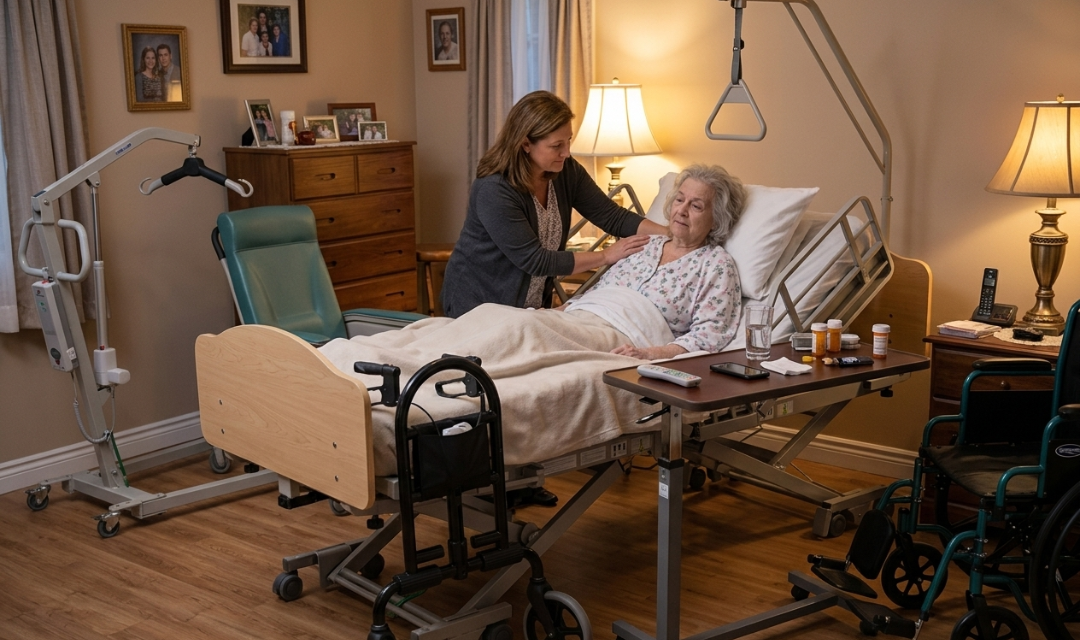
Caring for a bedridden loved one at home requires patience, organization, and a clear understanding of their daily healthcare needs. Family caregivers often manage personal hygiene, meals, medication schedules, mobility assistance, and emotional support while ensuring their loved one remains comfortable and safe. Professional Bedridden patient care Dubai services can help families manage these responsibilities through personalized nursing assistance and practical caregiving guidance. With support from trained healthcare professionals and a Doctor at Home, patients can receive appropriate medical assessments and ongoing care in familiar surroundings. By developing a structured daily routine and recognizing when professional help is necessary, families can improve their loved one’s quality of life while making caregiving more manageable.
Understand the Individual Needs of the Patient:
Every bedridden patient has different physical, medical, and emotional requirements, so caregivers should begin by understanding the patient’s condition and level of independence. Some individuals need temporary support after surgery or an illness, while others require long-term assistance because of chronic conditions, disabilities, or age-related weakness. Families should consult the treating healthcare professional to understand mobility restrictions, medication instructions, nutritional needs, hygiene requirements, and potential complications. A personalized care plan helps caregivers organize daily activities and identify tasks that require professional assistance. It is also important to ask patients about their preferences and encourage them to participate in decisions whenever possible. This approach supports dignity, comfort, and independence while ensuring that care remains appropriate as their condition changes.
Establish a Consistent Daily Care Routine:
A well-organized daily routine helps family caregivers manage essential tasks without overlooking important responsibilities. Establishing suitable times for waking, personal hygiene, meals, medication, repositioning, activities, and rest can provide structure and reassurance for the patient. Caregivers may use a notebook or checklist to record completed tasks, symptoms, and any concerns that need to be shared with a healthcare professional. The schedule should remain flexible enough to accommodate fatigue, pain, medical appointments, and changes in the patient’s condition. When several family members share responsibilities, a written routine can help everyone understand their duties and avoid confusion. Consistency makes daily care easier to coordinate while helping patients feel more secure and comfortable in their home environment.
Maintain Personal Hygiene and Skin Health:
Personal hygiene is essential for protecting the skin, reducing discomfort, and preserving the dignity of bedridden patients. Family caregivers may need to assist with bathing, oral care, changing clothes, toileting, and keeping bedding clean. Gentle cleansing products, clean towels, and careful drying can help prevent irritation, especially in areas exposed to perspiration or incontinence. Caregivers should inspect vulnerable areas, including the heels, hips, tailbone, elbows, and shoulders, for persistent redness, unusual discoloration, swelling, or broken skin. Regular repositioning and suitable pressure-relieving equipment may also be necessary to reduce the risk of pressure injuries. Any suspected wound or worsening skin problem should be assessed by a healthcare professional rather than treated with unapproved household remedies.
Provide Balanced Meals and Adequate Hydration:
Nutrition and hydration play important roles in maintaining strength, supporting tissue health, and promoting recovery. Bedridden patients may experience reduced appetite because of illness, medication effects, digestive discomfort, or limited physical activity. Caregivers can offer balanced meals suited to the patient’s preferences and medical requirements while monitoring food intake and unexplained weight changes. Protein-containing foods, fruits, vegetables, and other nutrient-rich options may help meet nutritional needs, depending on the patient’s condition. Fluids should be encouraged when permitted by the healthcare plan, as some patients need restrictions because of heart or kidney conditions. If the patient has difficulty swallowing, seek professional assessment before changing food textures or offering drinks. Persistent poor intake, suspected dehydration, or significant weight loss should be discussed with a clinician.
Manage Medications and Monitor Health Changes:
Family caregivers often help bedridden patients follow prescribed medication schedules and observe changes in their condition. Keeping an updated medication list with names, doses, and administration times can reduce confusion, particularly when multiple people share care duties. Medicines should be given according to professional instructions, and caregivers should never change doses, stop treatment, or use leftover antibiotics without authorization. Depending on the patient’s condition, a healthcare professional may recommend monitoring temperature, blood pressure, blood glucose, or oxygen saturation. Caregivers should record relevant readings and report unusual changes to the treating clinician. Warning signs such as fever, worsening pain, new confusion, unusual drowsiness, or reduced food intake may require prompt assessment. Severe breathing difficulties, chest pain, sudden stroke-like symptoms, or unresponsiveness require emergency medical assistance.
Support Safe Movement and Prevent Pressure Injuries:
Limited mobility can increase the risk of pressure injuries, muscle stiffness, discomfort, and loss of physical function. Family caregivers should follow an individualized repositioning plan recommended by a healthcare professional and use appropriate pillows or pressure-relieving equipment when advised. Safe movement techniques are important because dragging a patient across bedding can damage fragile skin and strain the caregiver. Depending on the patient’s condition, a physiotherapist may recommend gentle range-of-motion exercises, supported sitting, or assisted transfers. However, movement must respect restrictions related to surgery, fractures, spinal conditions, or other medical concerns. Caregivers should never force an activity that causes significant pain. A written record of repositioning, skin observations, and mobility concerns can help the healthcare team review the patient’s progress and adjust the care plan.
Provide Emotional Support and Companionship:
Bedridden patients may experience loneliness, frustration, anxiety, or sadness because they depend on others for everyday activities. Family caregivers can support emotional well-being by listening patiently, encouraging conversations, and involving patients in decisions about their daily routines. Activities such as reading, listening to music, watching favorite programs, or connecting with friends and relatives can help maintain social engagement. Caregivers should speak respectfully, explain care procedures before beginning, and protect the patient’s privacy during personal activities. Whenever possible, patients should be encouraged to perform small tasks independently if it is safe to do so. Persistent sadness, withdrawal, anxiety, or changes in behavior should be discussed with a healthcare professional, particularly when these changes interfere with eating, sleeping, or daily interaction.
Keep the Home Environment Clean and Safe:
A clean, organized home environment makes daily caregiving easier and helps reduce avoidable hazards. The patient’s room should have adequate lighting, comfortable ventilation, clean bedding, and sufficient space for safe assistance with personal care and repositioning. Frequently used items should remain within reach, and clutter or loose electrical cables should be removed from areas where caregivers need to move. Reusable equipment should be cleaned according to the manufacturer’s instructions and professional guidance, while used dressings and contaminated laundry should be handled hygienically. Families should also store medication and medical supplies securely and maintain a list of important healthcare contacts. Regularly checking the bed, mattress, and any mobility aids can help identify problems before they interfere with safe care.
Know When to Seek Professional Caregiving Assistance:
Family caregiving can become physically and emotionally demanding when a patient needs frequent repositioning, wound care, complex medication support, or continuous monitoring. Professional Bedridden patient care Dubai services can help families meet these needs through qualified nursing assistance and personalized care plans. Before selecting a provider, ask about staff qualifications, experience with bedridden patients, service availability, emergency procedures, and communication with the treating physician. Families should also clarify which services are included and whether specialized wound care, physiotherapy, or other clinical procedures require separate arrangements. Professional nurses can demonstrate safe caregiving techniques and help family members recognize warning signs. Sharing responsibilities and arranging suitable support can reduce caregiver exhaustion while helping patients receive consistent, appropriate care at home.
Final Thoughts
Managing the daily needs of a bedridden patient requires organization, compassion, and attention to changing medical and personal needs. Family caregivers can make a meaningful difference by maintaining hygiene, providing suitable meals, following medication instructions, supporting safe movement, and offering regular emotional reassurance. A structured routine helps prevent missed tasks, while communication with healthcare professionals ensures that concerns receive appropriate attention. Families should also recognize their own limits and seek assistance when caregiving becomes overwhelming or requires specialized skills. With personalized planning, safe home practices, and professional support when needed, caregivers can protect their loved one’s dignity, improve comfort, and create a more supportive environment for daily living.
- 24-hour bedridden patient care Dubai
- Bedridden elderly care Dubai
- Bedridden patient
- Bedridden patient care at home Dubai
- Bedridden patient caregiver Dubai
- Bedridden patient home care Dubai
- Bedridden patient nursing care Dubai
- Home nursing for bedridden patients Dubai
- Professional bedridden patient care Dubai