
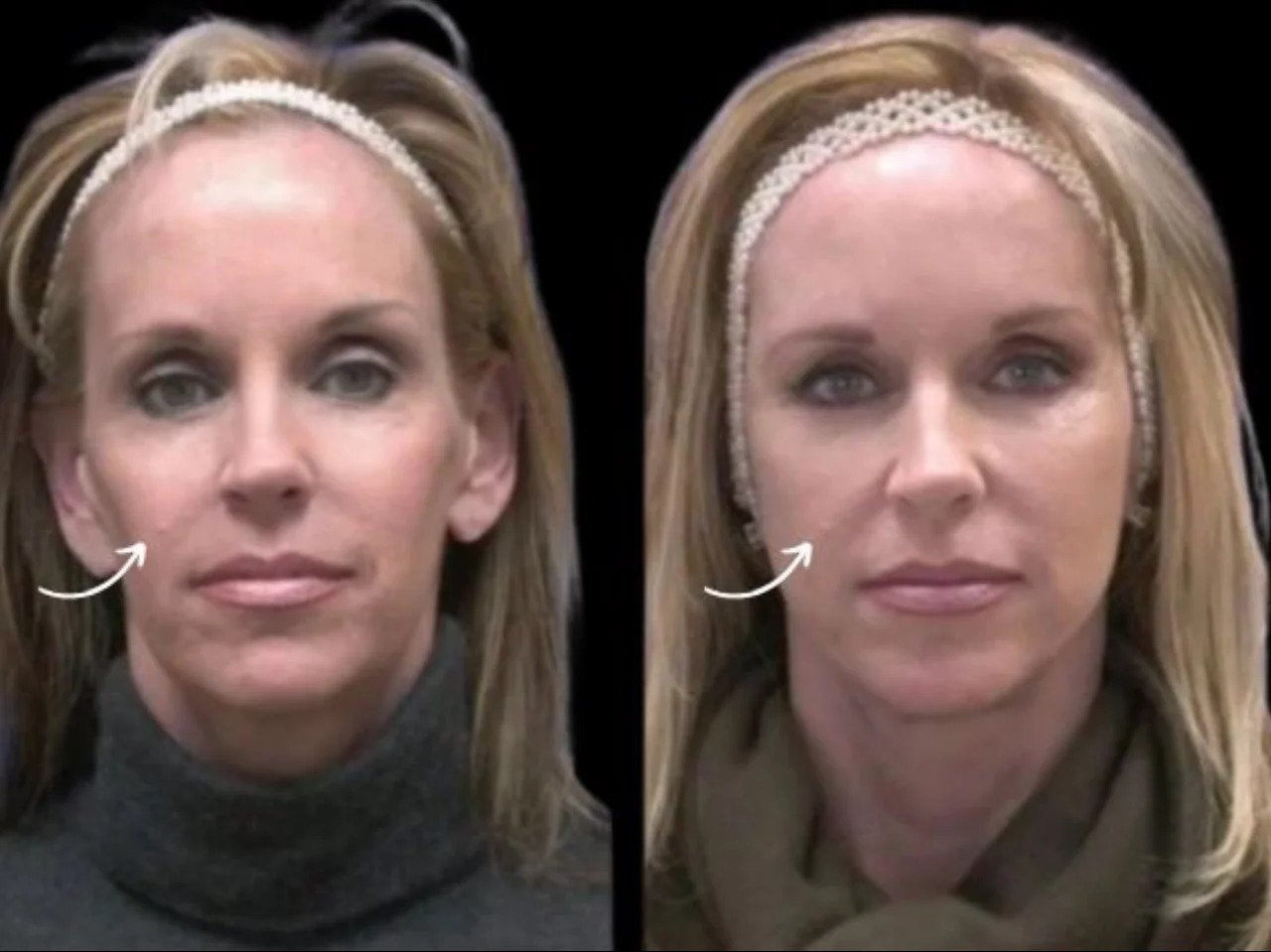
A thorough clinical history assessment is an important part of responsible aesthetic treatment. Before considering collagen-stimulating injectables, patients and practitioners need to understand previous medical conditions, current medications, allergies, earlier cosmetic procedures, skin characteristics, and individual expectations. These factors help determine whether a treatment is suitable and how potential risks should be discussed. When evaluating Sculptra in Dubai, clinical history provides a foundation for personalized planning rather than relying solely on visible signs of aging.
Best Doctors in Dubai understand that successful aesthetic planning involves more than selecting an injection site. A detailed assessment is particularly relevant when considering Sculptra Fillers, which are designed to stimulate collagen production gradually rather than provide immediate, conventional filler-like volume.
At Perfect Doctors Clinic, patients can discuss their aesthetic concerns, medical background, and treatment expectations with Dr Perfect Celebrity. A consultation should provide an opportunity to review suitability, understand possible side effects, compare alternatives, and make an informed decision. Clinical history assessment supports a cautious approach to facial rejuvenation and body contouring while acknowledging that individual outcomes cannot be guaranteed.
Why Clinical History Matters Before Sculptra Treatment
Medical history can reveal factors that influence treatment suitability, healing, and follow-up. Two people with similar facial volume loss may have different medical backgrounds and therefore require different treatment recommendations.
A comprehensive consultation should explore several areas:
-
Previous and current medical conditions.
-
Known allergies and previous reactions to injectable products.
-
Prescription medicines, nonprescription drugs, vitamins, and supplements.
-
Previous cosmetic treatments, including fillers and collagen-stimulating procedures.
This information helps establish whether Sculptra Treatment in Dubai is an appropriate option. It may also identify circumstances requiring additional medical advice, a modified plan, or postponement.
Medical Conditions That May Influence Treatment Suitability
Certain medical conditions deserve careful consideration before injectable treatment. Their relevance depends on the diagnosis, severity, current stability, medications, and the specific product being considered.
Autoimmune and Inflammatory Conditions
Patients with autoimmune or inflammatory disorders should discuss their diagnosis and treatment history during consultation. These conditions do not all carry the same risks, and suitability must be evaluated individually. The practitioner may need to review disease activity, immune-modifying medication, previous reactions, and advice from the patient’s treating clinician.
It is inappropriate to assume that every person with an autoimmune condition is automatically eligible or automatically ineligible. The decision should reflect the product’s safety information and the patient’s circumstances.
Diabetes and Wound-Healing Concerns
Diabetes, particularly when poorly controlled, may affect healing and infection risk. A history of delayed wound healing, recurrent infections, or complications following previous procedures should also be disclosed.
Although injectable treatments involve different considerations from surgery, skin penetration still creates a potential entry point for infection. The consultation should establish whether the patient’s condition is sufficiently stable and whether any additional precautions are needed.
Bleeding and Bruising Disorders
A history of unusual bruising, prolonged bleeding, or a diagnosed bleeding disorder should be discussed before Sculptra Injections. Blood-thinning medication and certain supplements may also affect bruising risk.
Patients should not discontinue prescribed medication independently to prepare for an aesthetic procedure. Any medication changes must be discussed with the prescribing clinician and the treating practitioner.
Previous Reactions to Injectable Products
Patients should describe any previous allergic reactions, persistent swelling, inflammatory responses, or nodules following cosmetic injections. Details about the product, injection area, onset of symptoms, and treatment received can help guide the assessment.
Previous complications may influence whether another injectable is appropriate, which precautions are needed, and how follow-up should be arranged.
Reviewing Medications, Allergies, and Supplements
Medication review is a central part of clinical history assessment because some medicines influence bleeding, immune response, or healing. Patients should bring an accurate list rather than relying on memory.
The list should include:
-
Prescription medicines and their current doses.
-
Over-the-counter pain relievers and other medicines.
-
Vitamins, herbal products, and dietary supplements.
Patients should explain what caused the reaction, what symptoms occurred, and whether medical treatment was necessary.
Sculptra dermal filler suitability also depends on the specific product’s contraindications and precautions. The practitioner should review the official product information rather than making assumptions based on a patient’s tolerance of unrelated fillers.
Reviewing Previous Aesthetic Procedures
A patient’s cosmetic history can influence both treatment planning and risk assessment. Previous procedures may affect tissue structure, contour, and the interpretation of current concerns.
Previous Dermal Fillers
Patients should disclose earlier filler treatments, including the product when known, the injection area, approximate date, and any complications. Existing fillers may influence the appearance of facial contours or the assessment of volume loss.
If a patient has experienced persistent lumps, swelling, or unexplained changes after earlier injections, these concerns should be evaluated before another treatment is considered.
Previous Collagen-Stimulating Treatments
Previous collagen-stimulating procedures are also relevant. The practitioner should establish which product was used, where it was injected, and whether the expected results developed.
Surgical and Noninjectable Procedures
Previous facial surgery, body contouring, energy-based treatments, or other procedures should be included in the history. These interventions may affect tissue planes, skin condition, scarring, and the interpretation of anatomical changes.
A complete history enables the practitioner to distinguish between concerns that may respond to Sculptra Fillers and those that may require another approach.
How Clinical History Supports Sculptra Face Planning
The face has complex anatomical structures, and the same treatment cannot be expected to produce identical results in every patient. Medical history should be combined with a physical examination of facial proportions, skin quality, tissue thickness, and existing volume distribution.
Assessing Cheek Volume and Facial Balance
Interest in Sculptra Cheeks often relates to gradual volume loss, reduced support, or changes in facial transitions. However, cheek appearance is influenced by bone structure, fat distribution, skin elasticity, and previous treatments.
The assessment should clarify whether the primary concern involves volume, skin quality, asymmetry, or another anatomical feature.
Evaluating Facial Aging Patterns
When considering Sculptra Face treatment, practitioners should review the patient’s age-related changes, previous weight fluctuations, medical background, and aesthetic priorities.
A useful assessment distinguishes between:
-
Gradual loss of facial fullness.
-
Changes in skin texture and elasticity.
-
Existing asymmetry or differences between facial sides.
-
Concerns requiring structural correction rather than collagen stimulation.
Considering Sculptra for the Neck
Interest in Sculptra for Neck treatment may arise from concerns about skin texture, firmness, or visible aging. Neck skin differs from facial skin in thickness, movement, and underlying anatomy.
The practitioner should assess the skin, medical history, previous procedures, and the specific indication for treatment. Suitability and approved uses must be confirmed for the product and treatment area. Not every neck concern is appropriate for a collagen-stimulating injectable.
Clinical History Assessment for Sculptra for Buttocks
Body contouring requires a separate evaluation because the anatomy, tissue thickness, treatment objectives, and potential complications differ from facial applications. Patients considering Sculptra for Buttocks should receive a detailed assessment of their health history and body-contouring goals.
Understanding Buttock Anatomy and Skin Quality
The appearance of the buttocks depends on muscle structure, fat distribution, skin elasticity, and the shape of the pelvis. Weight changes, pregnancy, aging, and previous surgery may also influence contour.
The consultation should determine whether the patient’s main concern involves skin quality, mild contour irregularities, hip dips, or a desire for substantial volume enhancement.
Discussing Sculptra for Hip Dips
Patients considering Sculptra for Hip Dips should understand that hip dips are a normal anatomical variation. Their appearance reflects pelvic structure and the distribution of muscle and fat.
A collagen-stimulating injectable may offer limited improvement for selected contour concerns, but it cannot change pelvic bone structure or guarantee a smooth, symmetrical outline.
Reviewing Sculptra Buttock Injections
Before considering Sculptra Buttock Injections, the practitioner should review medical conditions, medications, previous body-contouring procedures, healing history, and any history of unusual scarring or inflammatory reactions.
The phrase Buttocks Sculptra may refer to several different aesthetic goals, but the intended outcome must be clearly defined before treatment. Patients seeking a substantial increase in buttock size should understand that injectable collagen stimulation is not equivalent to surgical augmentation.
Setting Expectations for Sculptra Filler for Buttocks
Sculptra Filler for Buttocks and other body applications require careful discussion of the evidence, product-specific instructions, and suitability of the treatment area. The practitioner should clarify whether the intended use is authorized in the relevant jurisdiction and whether the available evidence supports the proposed approach.
Patients should not assume that a product suitable for one anatomical area is automatically suitable for another. Treatment planning must account for the product’s labeling, the practitioner’s training, and the patient’s individual risk profile.
Understanding Sculptra Cost and Treatment Planning
The Sculptra Cost and Sculptra Price in Dubai can vary depending on the treatment area, amount of product required, number of sessions, practitioner expertise, and follow-up arrangements.
A responsible cost discussion should explain what is included in the proposed plan rather than focusing only on the price of an individual vial or session.
Patients should ask about:
-
The number of sessions being considered and why.
-
The expected amount of product and how it is determined.
-
Consultation and follow-up charges.
-
The cost of managing complications, if applicable.
-
Alternative treatments and the option of no treatment.
The cost of Sculptra in Dubai should be considered alongside product authenticity, clinical suitability, practitioner qualifications, and appropriate aftercare. A higher price does not guarantee a better result, and a low price should not replace questions about safety and treatment standards.
At Perfect Doctors Clinic, patients can discuss the expected treatment process, financial considerations, and realistic outcomes with Dr Perfect Celebrity. Any proposed plan should be explained clearly before the patient decides whether to proceed.
What Patients Should Expect During Consultation with Sculptra Fillers Doctors in Dubai
A structured consultation with Sculptra Fillers Doctors in Dubai helps turn medical history into a practical treatment decision. It should involve more than completing a questionnaire or examining photographs.
Step 1: Medical History Review
The practitioner collects relevant information about health conditions, medications, allergies, previous procedures, and earlier complications. Missing details may need clarification before a decision is made.
Step 2: Physical Examination
The examination considers the proposed treatment area, tissue characteristics, skin condition, anatomy, and any existing irregularities. Photographs may be used for documentation with the patient’s informed consent.
Step 3: Risk and Benefit Discussion
The practitioner explains expected benefits, limitations, possible adverse effects, alternatives, and the possibility that treatment may not achieve the desired outcome.
Step 4: Individualized Planning
If treatment is appropriate, the plan should describe the intended areas, proposed sessions, follow-up schedule, and aftercare instructions. If important concerns remain unresolved, postponement may be the safer option.
Patients searching for Sculptra Fillers Doctors in Dubai should prioritize professionals who provide clear explanations, review medical history carefully, and avoid promising guaranteed results.
Likewise, expressions such as Celebrity Clinic in Dubai and Celebrity Doctor In Dubai should not replace objective considerations such as relevant qualifications, licensing, experience, product knowledge, and informed consent. Patients should evaluate clinical standards rather than relying on promotional descriptions.
Potential Side Effects and Follow-Up Considerations
Clinical history assessment can help identify relevant precautions, but it cannot eliminate every risk. Patients should understand the possible adverse effects before treatment.
Common reactions may include:
-
Swelling, redness, tenderness, and discomfort at injection sites.
-
Bruising or temporary sensitivity.
-
Lumps or nodules.
-
Delayed inflammatory reactions.
-
Infection or other uncommon complications.
The possibility and severity of complications depend on several factors, including the treatment area, technique, product, and individual response. Persistent or worsening symptoms require appropriate medical assessment.
Follow-up appointments allow the practitioner to assess healing and determine whether the results are developing as expected. Because Sculptra Injections stimulate gradual collagen production, the final effect does not appear immediately. Additional treatment should not be scheduled automatically without reviewing the patient’s progress and clinical needs.
Conclusion
Clinical history assessment is a fundamental part of responsible planning for collagen-stimulating injectable treatments. Reviewing medical conditions, allergies, medications, previous aesthetic procedures, and personal goals helps practitioners evaluate suitability and identify factors that may influence safety or results.
For patients considering Sculptra in Dubai, careful assessment is relevant whether the concern involves facial volume, cheek contours, neck skin, or selected body-contouring goals. Sculptra Fillers produce gradual changes and have limitations that should be understood before treatment. They cannot guarantee a particular appearance or replace every alternative procedure.
At Perfect Doctors Clinic, consultation with Dr Perfect Celebrity can provide an opportunity to discuss medical history, treatment expectations, potential risks, and costs. The most appropriate decision is one based on individual assessment, transparent communication, realistic goals, and informed consent. In some circumstances, an alternative treatment or postponement may be more suitable than proceeding with injections.
Frequently Asked Questions
1. Why is clinical history assessment important before Sculptra Fillers?
It helps identify medical conditions, allergies, medications, previous complications, and other factors that may influence treatment suitability. The information supports individualized planning and a more informed discussion of risks and benefits.
2. What medical information should I disclose before Sculptra treatment?
Patients should disclose relevant medical diagnoses, current medications, supplements, allergies, previous injectable treatments, healing problems, and any history of unusual reactions. Accurate information helps the practitioner make a safer treatment decision.
3. Can patients with autoimmune conditions receive Sculptra?
Suitability depends on the specific condition, its stability, current medication, and the product’s contraindications. Patients should discuss their medical history with the treating practitioner and, when necessary, their treating specialist before proceeding.
4. Does Sculptra provide immediate results?
No. Sculptra stimulates collagen production gradually, so visible changes develop over time. Initial swelling may temporarily affect appearance, and the final outcome cannot be reliably judged immediately after an injection.
5. Is Sculptra suitable for cheek volume loss?
It may be considered for selected patients with appropriate indications. Suitability depends on facial anatomy, skin condition, medical history, and the desired outcome. Other treatments may be more appropriate for certain structural concerns.
6. Can Sculptra be used for buttock enhancement or hip dips?
Some patients explore collagen-stimulating treatments for selected body-contouring concerns. However, the proposed use, product authorization, supporting evidence, practitioner expertise, and individual risks must be assessed carefully. Results are not guaranteed, and the treatment cannot change pelvic bone structure.
7. What factors affect Sculptra cost in Dubai?
Cost may depend on the treatment area, amount of product, number of sessions, practitioner expertise, consultation fees, and follow-up arrangements. Patients should request a clear breakdown of the proposed treatment plan before committing.
8. What side effects should patients know about?
Possible effects include bruising, swelling, tenderness, redness, discomfort, and the development of lumps or nodules. Less common complications can also occur. Patients should receive product-specific safety information and clear instructions about when to seek medical care.
9. Should I stop my medication before Sculptra injections?
No medication should be stopped or adjusted without advice from the prescribing clinician. Some medicines may affect bruising, bleeding, or healing, so the practitioner needs to review the complete medication list before treatment.
10. How can I prepare for a Sculptra consultation at Perfect Doctors Clinic?
Prepare a list of medical conditions, medicines, supplements, allergies, and previous aesthetic procedures. Consider your main concerns and desired results, and ask about suitability, risks, expected timelines, alternatives, aftercare, and the overall treatment cost. The consultation should help you make an informed decision without pressure to proceed.