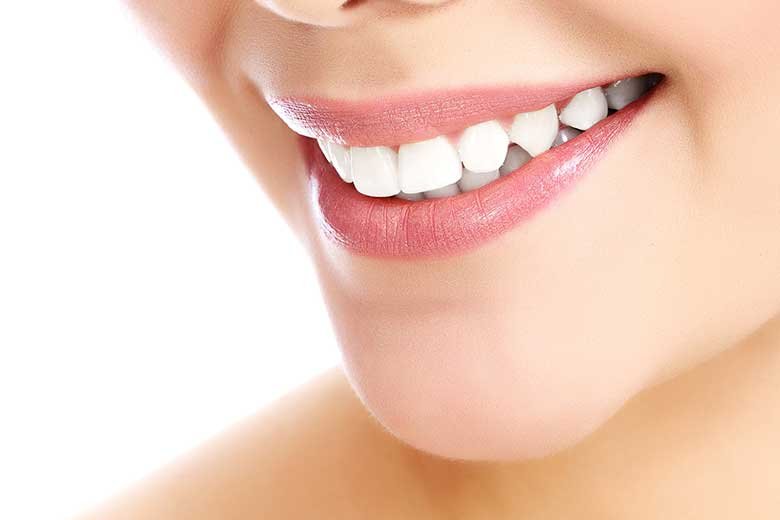
Tooth sensitivity is a common temporary side effect of teeth whitening. Some people experience a brief sharp sensation when drinking cold water, eating hot foods, or breathing in cool air after treatment. The discomfort usually improves within a few days, although the duration can vary depending on the whitening method and individual dental health. Teeth Whitening in Dubai can help improve the appearance of stained or discolored teeth, and understanding proper aftercare can make the experience more comfortable while protecting your oral health.
Causes of Sensitivity After Whitening
Whitening products commonly contain hydrogen peroxide or carbamide peroxide, which help break down stain molecules within the teeth. During this process, some people experience temporary changes in tooth sensitivity. The discomfort may become more noticeable when consuming hot, cold, sweet, or acidic foods and drinks. Using a strong whitening product, leaving it on for longer than recommended, or repeating treatments too frequently may increase irritation. Existing enamel wear, gum recession, exposed tooth roots, cavities, and naturally sensitive teeth can also contribute to discomfort.
Using Desensitizing Toothpaste
Desensitizing toothpaste can help reduce discomfort after whitening. These products contain ingredients designed to decrease sensitivity, such as potassium nitrate or stannous fluoride. Use the toothpaste according to its label instructions, and ask your dentist which formula is appropriate for your teeth. Some people benefit from using desensitizing toothpaste before a planned whitening treatment, while others may need it afterward. Relief may take several applications, so avoid increasing the amount or frequency beyond the recommended directions.
Avoiding Very Hot and Cold Foods
After whitening, teeth may temporarily react more strongly to temperature changes. Choosing lukewarm drinks and foods at a comfortable temperature can help reduce discomfort during recovery. If ice-cold water, hot tea, or cold desserts trigger sensitivity, avoid them until your teeth feel more comfortable. Very acidic foods and drinks, such as citrus juice and fizzy beverages, may also cause discomfort for some people. Return to your usual diet as the sensitivity improves, while maintaining a balanced diet and good oral hygiene.
Taking a Break From Whitening
If you are using whitening strips, gels, or trays at home and sensitivity develops, pause the treatment until the discomfort settles. Do not continue applying the whitening product in an attempt to achieve faster results. When appropriate, a dentist may recommend shorter application times, a lower-concentration product, or longer intervals between sessions. If you received professional whitening, contact your dentist for advice before repeating the procedure. Following the recommended schedule helps reduce the risk of excessive sensitivity and gum irritation.

Using Gentle Oral Hygiene Practices
Maintaining a gentle oral hygiene routine can help keep your teeth comfortable after whitening. Use a soft-bristled toothbrush and fluoride toothpaste, and brush carefully without applying excessive pressure. Avoid aggressive brushing, which can contribute to gum recession and enamel wear over time. Continue cleaning between your teeth as part of your normal routine. If brushing causes significant pain or sensitivity, ask your dentist about suitable products and techniques rather than stopping oral care completely.
Understanding the Recovery Period
Sensitivity after teeth whitening is usually temporary and often improves within a few days. Some people experience mild discomfort, while others may notice a stronger reaction depending on the whitening product and their existing dental health. Higher concentrations of bleaching ingredients may increase the likelihood of sensitivity. If the discomfort persists, becomes severe, affects one particular tooth, or occurs with swelling or ongoing pain, contact a dentist. These symptoms may indicate an underlying dental problem rather than an ordinary whitening side effect.
Professional Help for Persistent Sensitivity
A dentist should assess sensitivity that does not improve after whitening or that interferes with eating, drinking, or sleeping. The dentist can check for cavities, cracked teeth, gum recession, enamel wear, and other possible causes of discomfort. Depending on the findings, treatment may include a desensitizing product, fluoride application, treatment of an underlying dental condition, or changes to the whitening method. Avoid taking medication solely to continue whitening without professional advice, particularly if the pain is unexplained or persistent.
Preventing Sensitivity During Future Treatments
Before undergoing another whitening session, tell your dentist if you experienced sensitivity previously. The dentist may suggest a lower-strength whitening product, a more gradual treatment schedule, or a desensitizing product before treatment. A dental examination can also identify conditions that need attention before bleaching. Avoid unverified home remedies, household acids, and abrasive substances marketed as natural whiteners because they may irritate the mouth or damage tooth surfaces. Choosing approved products and following professional guidance can help reduce avoidable problems.
Conclusion
Managing sensitivity after teeth whitening involves using desensitizing toothpaste, avoiding foods and drinks that trigger discomfort, pausing home whitening when necessary, and maintaining gentle oral hygiene. Most sensitivity improves within a few days, but persistent or severe symptoms should be assessed by a dentist. Before starting another whitening treatment, discuss any previous discomfort and follow the recommended application schedule. These steps can help you maintain your oral health while working toward a brighter, more comfortable smile.
Frequently Asked Questions
1. How long does sensitivity last after teeth whitening?
Sensitivity commonly improves within a few days, although the duration varies depending on the whitening method and individual dental health. If discomfort persists or becomes severe, contact your dentist.
2. What toothpaste helps with sensitivity after whitening?
Desensitizing toothpaste containing ingredients such as potassium nitrate or stannous fluoride may help reduce discomfort. Follow the product instructions and ask your dentist which option is appropriate for you.
3. Should I stop whitening if my teeth become sensitive?
If you are using a home whitening product and sensitivity develops, pause treatment until the discomfort settles. Consult your dentist before restarting, especially if the symptoms are severe or persistent.
4. Can I drink cold water after teeth whitening?
Yes, but cold water may trigger temporary discomfort. If this happens, choose water at room temperature until your teeth feel more comfortable.
5. Is tooth sensitivity after whitening normal?
Temporary sensitivity is a common side effect of whitening treatments. However, severe pain, swelling, or sensitivity that does not improve should be assessed by a dentist.
6. How can I prevent sensitivity before my next whitening session?
Discuss your previous sensitivity with your dentist. A suitable desensitizing toothpaste, a lower-concentration whitening product, or a modified treatment schedule may help reduce discomfort.
7. Can whitening damage my teeth if I repeat it too often?
Excessive or incorrect use of whitening products can increase sensitivity and irritate the gums. Follow the product instructions and your dentist’s recommendations rather than repeating treatments too frequently.