Choosing a new beverage often involves more than comparing flavors and packaging. A non-alcoholic kava drink may appeal to adults looking for an alternative to conventional soft drinks or alcoholic beverages, but it is important to understand what kava is, how these drinks are made, and what precautions to consider before trying one.
Kava has a long history of traditional use in Pacific Island communities. Modern ready-to-drink versions offer a convenient format, but their ingredients, strength, and intended use can vary between products.
What Is Kava?
Kava is a plant known scientifically as Piper methysticum. It is native to Pacific Island regions, where its roots have traditionally been prepared as a beverage for social, cultural, and ceremonial occasions.
The plant contains compounds called kavalactones, which are associated with its effects on the nervous system. Traditional kava preparation differs from modern commercial beverages, so consumers should not assume that every product delivers the same experience.
Understanding this background helps beginners approach kava drinks with realistic expectations and respect for the plant’s cultural significance.
How Is a Non-Alcoholic Kava Drink Different?
A non-alcoholic kava drink is designed without alcohol as an intended beverage ingredient. It may provide an alternative for adults who want something different from beer, wine, or standard soft drinks.
However, non-alcoholic does not automatically mean risk-free. Kava itself can have effects on the body, and its presence makes these beverages different from ordinary flavored sparkling water or soda.
Consumers should read the product label to understand its ingredients, serving recommendations, and any warnings. If a product’s kava content or strength is unclear, contacting the manufacturer for clarification is a sensible step.
Check the Ingredients Before Buying
Ingredient lists are especially important when trying an unfamiliar botanical beverage. Some kava drinks contain flavorings, sweeteners, carbonated water, or other botanical ingredients alongside kava.
Before purchasing, consider these points:
- Ingredient transparency: Look for a clearly presented list of ingredients.
- Serving information: Check the recommended serving size and any consumption limits.
- Sweeteners: Review the sugar and sweetener information if you monitor your intake.
- Warnings: Read any safety instructions provided by the manufacturer.
- Product details: Check storage instructions, packaging information, and the manufacturer’s contact details.
These checks can help you compare products based on more than branding or flavor descriptions.
Understand the Safety Considerations
Kava deserves particular care because it has been associated with rare but serious liver injury. The risk may depend on several factors, including the product, individual circumstances, and how it is consumed.
Kava may also cause drowsiness or affect coordination. Avoid driving or operating machinery if you experience these effects.
It is particularly important not to combine kava with alcohol or sedating substances. Kava may interact with medications, including some medicines that affect the central nervous system. People with liver problems, those taking prescription medicines, and anyone who is pregnant or breastfeeding should avoid using kava unless a qualified healthcare professional specifically advises otherwise.
If you develop symptoms such as yellowing of the skin or eyes, dark urine, unusual fatigue, or persistent nausea after consuming a kava product, stop using it and seek prompt medical attention.
Consider the Occasion and Your Preferences
A beverage’s flavor and serving style can influence whether it fits your preferences. Some people enjoy carbonated drinks with meals or serve them at social gatherings, while others prefer simple beverages with fewer ingredients.
A non-alcoholic kava drink may offer a different option for adult social occasions, but it should not be treated as an ordinary soda simply because it is served in a can or bottle.
Consider whether you want a sparkling beverage, what flavors you enjoy, and whether the product’s safety guidance suits your circumstances. Avoid choosing a kava beverage solely because it is marketed for relaxation or social enjoyment.
How to Compare Kava Drinks With Other Beverages
Comparing products can help you make a more informed decision. Traditional soft drinks, sparkling water, herbal beverages, and kava-based drinks may look similar on a shelf, but their ingredients and effects can differ significantly.
Sparkling water is generally a straightforward option for hydration without added botanical ingredients. Conventional soft drinks may contain sugar or non-sugar sweeteners. Herbal beverages can vary widely depending on the plants used.
Kava drinks require an additional level of consideration because kava has physiological effects and specific safety concerns. Compare ingredient lists, serving instructions, and warnings rather than assuming all non-alcoholic beverages are interchangeable.
What Beginners Should Know About Vanua Bliss Kava Soda
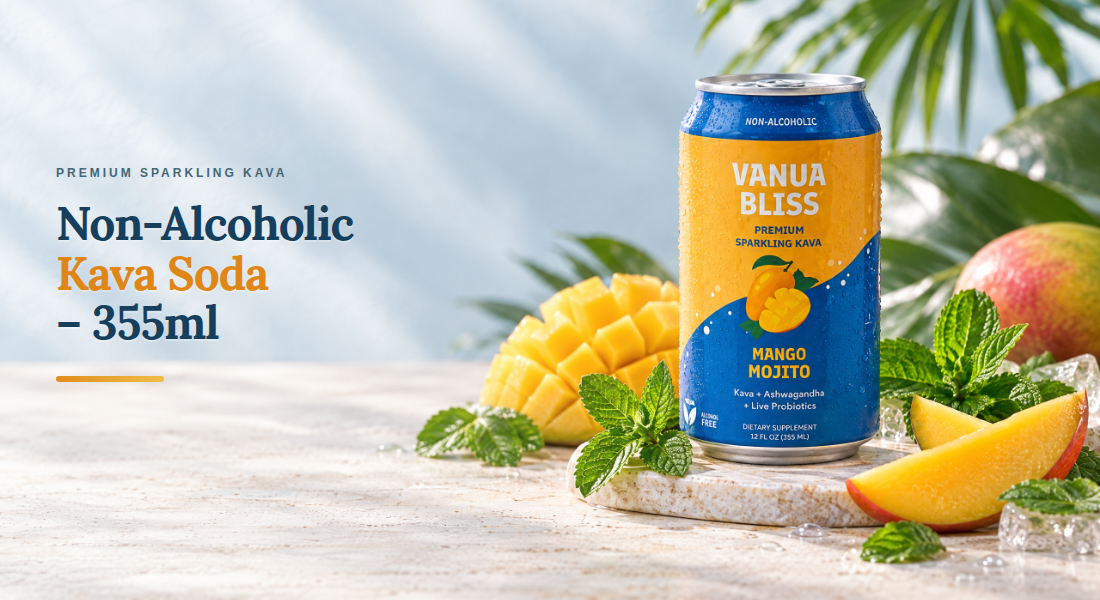
When considering Vanua Bliss Kava Soda from Bula Natural Living, start with the product’s current ingredient list and label directions. Check the manufacturer’s guidance for serving size and any relevant cautions before deciding whether it is appropriate for you.
Avoid assuming that a ready-to-drink format makes kava suitable for everyone. If you take medication or have questions about interactions, ask a healthcare professional or pharmacist before consuming it.
You can also review the wider range of products from Bula Natural Living when comparing beverage options and their ingredient information.
Final Thoughts
Kava-based beverages offer a different option within the growing range of non-alcoholic drinks, but understanding their ingredients and potential effects is essential. Before trying one, review the label, follow the manufacturer’s directions, and consider possible interactions with alcohol and medications. Making an informed choice means weighing convenience and flavor alongside responsible use and personal safety.
FAQs About Kava-Based Drinks
1. Is a non-alcoholic kava drink the same as a soft drink?
No. Although it may be packaged and served similarly, a kava drink contains a botanical ingredient with physiological effects and specific safety considerations.
2. Can kava drinks be combined with alcohol?
They should not be combined. Using kava with alcohol may increase safety risks and should be avoided.
3. Can kava interact with medication?
Yes. Kava may interact with certain medicines, particularly those that cause sedation. Consult a qualified healthcare professional before use if you take medication.
4. Is every kava beverage the same strength?
No. Formulations and kava content can vary. Check the product label and manufacturer information rather than assuming all drinks have equivalent strength.
5. Who should be especially cautious about kava?
People with liver conditions, people taking medication, and those who are pregnant or breastfeeding should avoid kava unless specifically advised otherwise by a qualified healthcare professional.