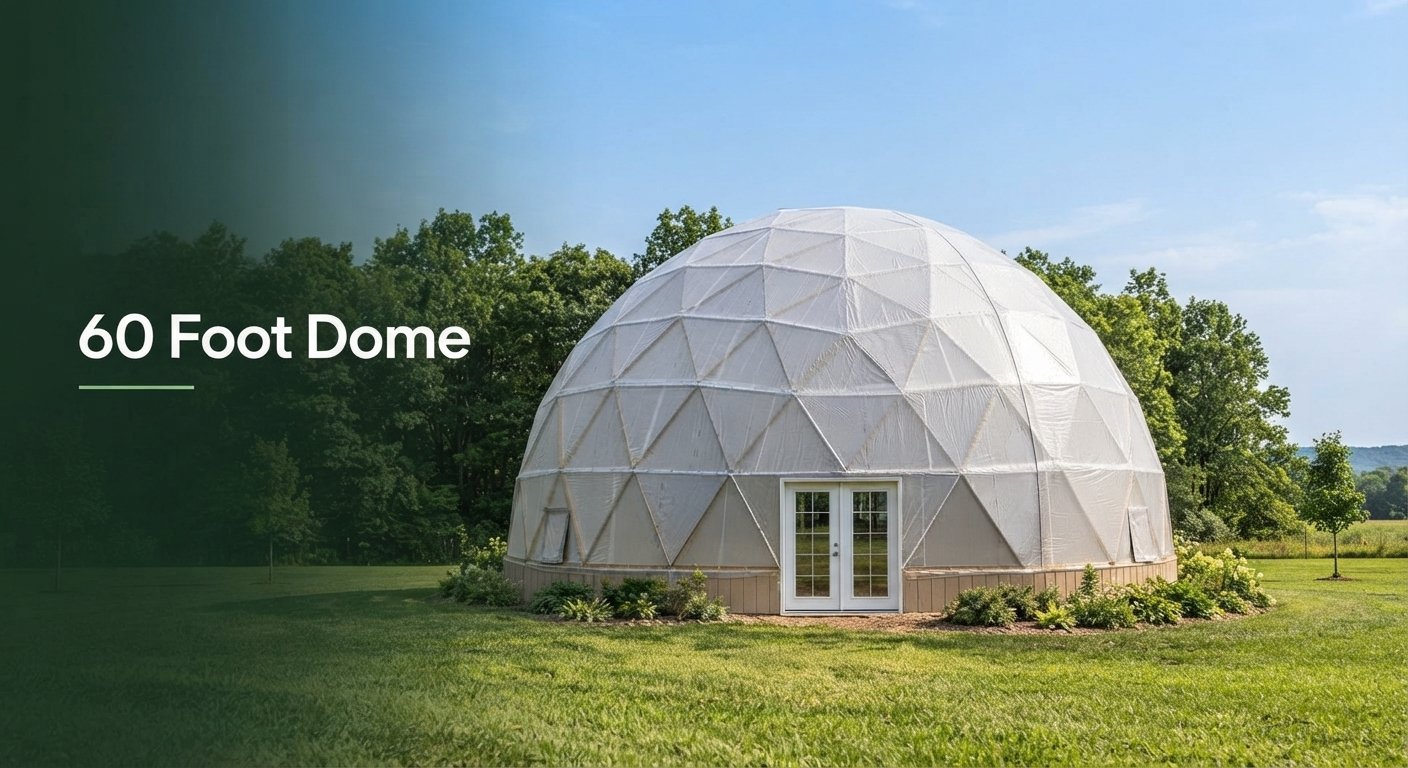
An organized greenhouse layout can make daily growing tasks easier, reduce unnecessary movement, and help gardeners manage larger planting areas efficiently. A 60 Foot Dome Greenhouse Kit provides room to plan dedicated work areas for planting, watering, harvesting, and storing supplies. By assigning a clear purpose to each zone, growers can maintain an orderly environment while keeping essential tasks accessible.
1. Assess the Available Space Before Planning
Before setting up work areas, evaluate the greenhouse’s dimensions, entrances, pathways, growing beds, and available vertical space. Consider how people will move through the structure while carrying tools, containers, seedlings, or harvested produce.
Create a simple layout plan that identifies the main growing areas and the space needed for routine activities. Mark the entrance, primary walkway, irrigation access points, and locations where equipment will be used.
Avoid filling every open area with plants or storage. Leaving enough room for movement makes it easier to inspect crops, transport supplies, and complete maintenance without disturbing nearby plants.
A practical layout should support current operations while allowing adjustments as the growing program changes.
2. Create a Dedicated Potting and Planting Area
Potting and planting tasks often involve soil, containers, labels, trays, and hand tools. Keeping these activities in one designated area helps prevent supplies from spreading throughout the greenhouse.
Choose a stable workbench or suitable table where seedlings can be transplanted and containers prepared. Keep frequently used materials within easy reach, and store unused supplies separately to reduce clutter.
Position the work area where it does not block entrances, narrow pathways, or access to growing beds. If potting activities generate dust or debris, keep the surrounding area clean and prevent contaminated material from spreading to established crops.
A dedicated planting station can also help organize seedling trays by crop, variety, and planting date.
3. Design Clear Pathways Between Growing Zones
Pathways connect work areas and allow growers to move tools, supplies, and harvested crops throughout the greenhouse. Their placement should reflect the scale of operations and the equipment being used.
Keep the main route clear between the entrance, planting station, storage area, and primary growing sections. Secondary paths can provide access to individual beds or rows.
Consider the width needed for carts, watering equipment, or containers. Avoid placing hoses, loose tools, or storage boxes where they create trip hazards or obstruct movement.
Pathways should remain usable as crops mature. Plants that spread beyond their original boundaries may gradually reduce access, so review the layout regularly and make adjustments when needed.
4. Establish an Efficient Watering and Irrigation Zone
Watering equipment should be accessible without interfering with planting, harvesting, or other activities. Depending on the irrigation system, this area may include valves, filters, hoses, controllers, and related supplies.
Keep irrigation controls easy to reach and label important components where useful. Arrange hoses so they do not cross major walkways unnecessarily, and check connections regularly for leaks.
For larger growing areas, divide irrigation into zones based on crop type, watering needs, or bed location. This can make it easier to deliver appropriate amounts of water without treating every crop identically.
Keep electrical equipment protected from water and follow the manufacturer’s installation and safety guidance. An organized irrigation area supports routine checks and makes maintenance more manageable.
5. Set Aside Space for Harvesting and Sorting
Harvesting can involve collecting produce, removing damaged items, sorting crops, and preparing them for transport or storage. A designated work surface helps keep these tasks organized.
Position the harvesting area near convenient access to growing beds and the greenhouse entrance. This can reduce the distance produce must travel and limit unnecessary handling.
Use clean, food-appropriate containers and keep harvested crops away from soil, fertilizers, and chemicals. If sorting or packing takes place inside the greenhouse, maintain a clean surface and remove plant debris promptly.
The required space depends on crop type and harvest volume. Plan for peak harvesting periods rather than only the amount of space needed during quieter parts of the season.
6. Organize Tools and Supplies Systematically
A dedicated storage area helps prevent tools and materials from becoming scattered throughout the growing space. Shelving, labeled containers, and wall-mounted holders can keep frequently used items organized.
Separate hand tools, plant labels, irrigation parts, ties, and other routine supplies into clearly identified groups. Store heavier items securely and place frequently used materials where they can be reached without moving other equipment.
Fertilizers and crop-protection products should be stored according to their labels and applicable safety requirements, away from harvested produce and incompatible materials. Keep chemicals in their original labeled containers and restrict access as appropriate.
Review stored supplies periodically. Remove damaged tools, dispose of materials safely when required, and restock essential items before they run out.
7. Provide a Space for Monitoring Plant Health
Regular crop inspection is easier when growers have a consistent routine and access to basic monitoring equipment. A small designated station can hold notebooks, labels, measuring tools, and other items used to record plant conditions.
Use this area to organize inspection schedules and keep notes about watering, temperature, pest observations, and crop development. Records can help identify recurring problems and guide future growing decisions.
The station does not need to occupy a large area. A small shelf or clipboard kept in a convenient location may be sufficient, provided it remains clean and protected from moisture.
Separate monitoring supplies from chemicals and dirty equipment. This makes it easier to keep records accurate and retrieve information when needed.
8. Review the Layout as Operations Change
A work-area plan should adapt to crop cycles, seasonal conditions, and changes in production. An arrangement that works well during seedling preparation may need adjustments when harvesting becomes more frequent.
Review whether pathways remain clear, tools are easy to access, and irrigation equipment can be maintained without disturbing crops. Check whether storage areas are large enough for current supplies and whether harvested produce can move efficiently toward the exit.
Ask the people performing daily tasks where unnecessary movement or delays occur. Small changes, such as relocating a workbench or reorganizing frequently used tools, can improve the workflow without requiring a complete redesign.
A well-planned Dome Greenhouses growing setup can support these efforts by giving growers a structure around which to organize planting, maintenance, harvesting, and storage activities.
Final Thoughts
Designing work areas in a 60 Foot Dome Greenhouse Kit requires attention to movement, accessibility, storage, and the needs of daily growing operations. Dedicated zones for planting, irrigation, harvesting, tools, and crop monitoring can reduce clutter and make routine tasks easier to manage. By maintaining clear pathways and reviewing the layout as production changes, growers can create a practical working environment that supports efficient greenhouse management.
Frequently Asked Questions
1. What work areas should a large greenhouse include?
Useful areas may include a potting station, irrigation access zone, tool storage, harvesting surface, and a space for monitoring plant health. The exact layout depends on the crops and daily tasks.
2. Why are clear pathways important in a greenhouse?
Clear pathways improve access to plants and equipment, reduce obstacles, and make it easier to move supplies and harvested crops safely.
3. Where should tools and fertilizers be stored?
Keep tools in an organized storage area and store fertilizers according to their labels. Crop-protection products should be secured separately from harvested produce and handled according to applicable safety guidance.
4. Should harvesting take place near the greenhouse entrance?
Placing a harvesting and sorting area near a convenient exit can reduce the distance produce must travel. The best location also depends on crop flow, cleanliness, and the overall layout.
5. How often should greenhouse work areas be reorganized?
Review the layout regularly, especially when crops change, harvest volumes increase, or seasonal activities shift. Make adjustments whenever pathways, storage, or equipment access become difficult.