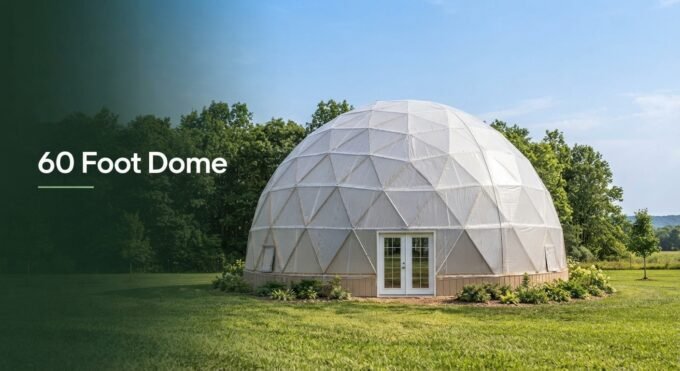
Managing heat is an important part of keeping greenhouse plants healthy during warm weather. In a 30 Foot Growing Dome, temperatures can rise quickly when sunlight enters the enclosed structure and heat builds up around plants. Preparing for hot conditions involves monitoring temperatures, improving airflow, managing irrigation, and choosing suitable growing practices. A planned approach helps reduce heat stress and supports more consistent plant development throughout the warmer months.
1. Monitor Temperature Before Heat Builds Up
Regular temperature checks help growers recognize when conditions are becoming uncomfortable for their crops. Greenhouse temperatures may rise well above outdoor temperatures during sunny weather, even when the morning starts relatively cool.
Place a thermometer at plant height in a representative growing area. If the dome contains several planting zones, check whether some areas become hotter than others. Temperature readings taken at different times of the day can reveal when heat buildup is most likely.
Set practical temperature thresholds according to the crops being grown. Tomatoes, leafy greens, herbs, and other vegetables differ in their tolerance for heat. Knowing their requirements makes it easier to decide when ventilation or shading is needed.
2. Improve Ventilation and Air Circulation
Ventilation allows hot air to leave the greenhouse and helps bring in outside air when conditions are suitable. Before the warm season begins, inspect doors, vents, and other ventilation openings to ensure they operate properly.
Open suitable vents before temperatures reach stressful levels rather than waiting until plants begin to wilt. Where natural airflow is insufficient, properly sized circulation or exhaust fans may help improve air movement.
Keep plants and equipment from blocking important airflow paths. Dense foliage and overcrowded growing areas can restrict circulation, creating warmer or more humid pockets around plants.
Remember that circulation fans move air within the structure, while exhaust ventilation exchanges indoor air with outdoor air. Both can have useful roles, but they serve different purposes.
3. Use Shade When Sunlight Becomes Excessive
Strong sunlight can increase greenhouse temperatures and expose sensitive leaves to excessive radiation. Shade cloth can help reduce incoming solar energy during the hottest parts of the season.
Choose a shade level appropriate for the crops and local climate. Too much shading may limit the light needed for photosynthesis, flowering, and fruit production.
Install shading in a way that suits the dome’s design and the manufacturer’s guidance. Observe how plants respond after installation, and adjust the arrangement if growth becomes weak or light levels are insufficient.
Temporary shading may be useful during extreme heat periods, while longer-lasting arrangements should reflect the crops grown and the amount of natural light available.
4. Adjust Watering Practices for Hot Weather
Plants often use water more quickly during hot weather because evaporation and transpiration increase. However, watering more frequently without checking soil conditions can lead to waterlogged roots.
Inspect moisture in the root zone, not just on the soil surface. Water when needed, allowing moisture to reach the roots while ensuring excess water can drain away.
Early-day watering is often practical because it replenishes moisture before the hottest hours. The exact schedule depends on crop type, growing medium, container size, and temperature.
Check irrigation equipment for leaks or blocked outlets before heat waves arrive. Consistent water distribution helps prevent some plants from drying out while others receive too much moisture.
5. Protect Roots From Excessive Heat
Root health can suffer when growing media become excessively hot or dry. Containers exposed to direct sunlight may heat up faster than soil beds, especially when they are dark-colored or relatively small.
Where suitable, use light-colored containers or position pots to reduce direct heating of the container walls. A suitable organic mulch can help moderate soil temperature and slow moisture loss in garden beds.
Avoid covering plant crowns or stems with excessive mulch, and keep drainage openings clear. Monitor moisture beneath the surface because the top layer may appear dry while the lower root zone remains wet.
Maintaining suitable root-zone conditions helps plants continue absorbing water and nutrients during warm periods.
6. Choose Crops That Suit Warm Conditions
Crop selection can influence how well a greenhouse performs during the hottest part of the year. Some vegetables and herbs tolerate warmer conditions better than cool-season crops such as spinach and certain lettuce varieties.
Review recommended growing temperatures before planning seasonal planting. Heat-tolerant varieties may be useful when warm weather is expected to persist.
Where possible, schedule cool-season crops for periods when temperatures are more favorable. Staggering planting dates can also help avoid having every crop reach a sensitive growth stage during the same heat wave.
Even heat-tolerant crops need suitable water, airflow, and root conditions. Crop selection should complement, rather than replace, environmental management.
7. Maintain a Healthy Plant Layout
Crowded plants can restrict airflow and make it harder to inspect leaves, stems, and growing media. At the same time, a well-planned layout can reduce unnecessary exposure of sensitive plants to intense sunlight.
Follow suitable spacing recommendations for each crop and account for mature plant size. Prune or train plants when appropriate to prevent excessive foliage from blocking ventilation paths.
Keep pathways clear so growers can inspect plants and adjust vents or irrigation equipment quickly. Grouping crops with similar temperature and watering needs can also simplify daily management.
A planned layout makes it easier to respond when temperatures rise and reduces the likelihood of overlooking stressed plants.
8. Prepare a Heat-Management Routine
High temperatures are easier to manage when growers establish a routine before the hottest weather arrives. Check ventilation equipment, shade materials, irrigation lines, and temperature-monitoring devices in advance.
During hot periods, inspect temperature and soil moisture in the morning and again when conditions are expected to peak. Look for wilting, leaf curling, flower drop, or sunscald, while remembering that these symptoms can have several causes.
Keep notes about temperature readings, watering adjustments, and plant responses. Reviewing these records helps identify which strategies work best for the dome and the crops being grown.
If heat becomes extreme, prioritize the most vulnerable plants and follow crop-specific guidance rather than making sudden, excessive changes to watering or shading.
Growers comparing greenhouse structures and growing-space options can review the resources available from Dome Greenhouses when planning their growing setup.
Final Thoughts
Preparing for high temperatures in a 30 Foot Growing Dome involves monitoring conditions, improving ventilation, managing sunlight, and maintaining appropriate soil moisture. Crop selection, root protection, and a clear inspection routine also help growers respond to changing weather. By preparing equipment in advance and adjusting practices according to crop needs, gardeners can reduce heat-related stress and maintain a more stable growing environment.
Frequently Asked Questions
1. Why does a growing dome become too hot?
Sunlight passes through the greenhouse covering and warms internal surfaces and air. If heat cannot escape quickly enough, temperatures can rise above the preferred range for plants.
2. When should shade cloth be used in a greenhouse?
Shade cloth may be useful when intense sunlight creates excessive heat or light stress. The appropriate shade level depends on crop requirements, local conditions, and the season.
3. Should plants be watered more often during hot weather?
They may need more frequent watering, but soil moisture should be checked first. Water according to the crop’s needs and make sure excess moisture can drain away.
4. Can fans keep a greenhouse cool?
Fans can improve air movement, and exhaust fans can help remove hot air. Their effectiveness depends on fan capacity, ventilation openings, outside conditions, and the dome’s design.
5. Which crops handle greenhouse heat better?
Heat tolerance varies by crop and variety. Some warm-season crops, including many tomatoes and peppers, generally perform better in warm conditions than cool-season leafy vegetables, but excessive heat can still affect flowering and fruit production.