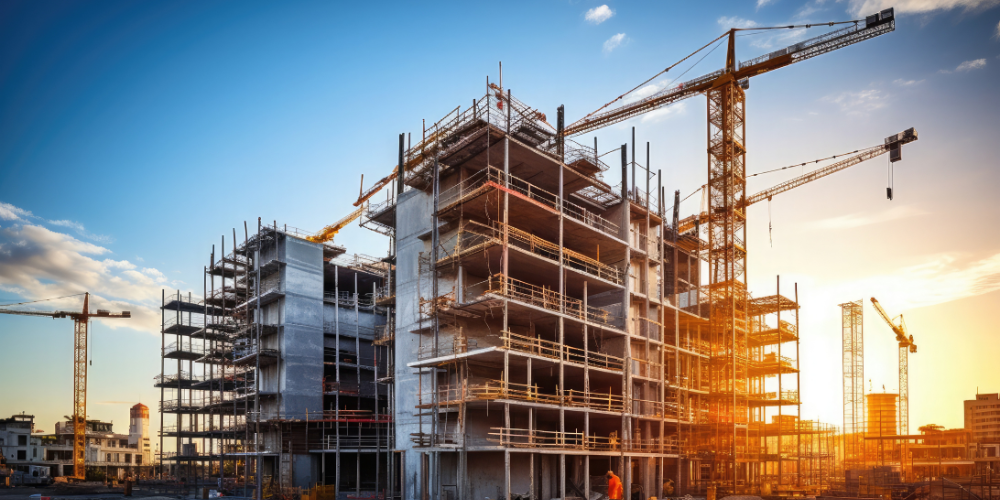
Construction projects require careful planning, suitable materials, skilled labor, and proper coordination from beginning to end. Whether someone is building a new home, renovating an existing property, or developing a commercial space, choosing the right contractor can make the process easier to manage. A construction contractor helps organize different parts of a project, coordinate workers, manage schedules, and make sure the work follows the approved plans. Understanding the contractor’s responsibilities can help property owners make better decisions before starting construction.
Understanding the Role of a Construction Contractor
A construction contractor manages and carries out building work according to an agreed project scope. Depending on the contract, this may include hiring subcontractors, ordering materials, coordinating inspections, supervising work, and tracking project progress. Contractors can work on residential properties, commercial buildings, renovations, additions, and other construction projects.
Their responsibilities depend on the type and size of the job. A smaller project may require a contractor to handle most tasks directly, while a larger development may involve electricians, plumbers, roofers, flooring installers, and other specialists. Good coordination helps ensure that each stage is completed in the correct order.
A qualified construction contractor in Yonkers also helps property owners understand project requirements before work begins. Clear communication about the design, budget, schedule, and materials can reduce misunderstandings and support a more organized building process.
Planning and Preparing for Construction
Planning is one of the most important stages of any building project. Before construction starts, the property owner and contractor should discuss the purpose of the project, the desired layout, the expected budget, and the timeline. This information helps establish a clear scope of work and gives everyone a better understanding of the expected results.
The preparation stage may include reviewing architectural drawings, assessing the property, estimating material quantities, and identifying potential challenges. Site conditions, drainage, access, existing structures, and utility locations can all affect how the work should be performed.
Permits and inspections may also be required, depending on the location and type of construction. The contractor should clarify which approvals are necessary and who is responsible for obtaining them. Beginning work without required approvals can cause delays, additional expenses, or compliance problems.
A detailed plan provides a useful guide for the entire project. It also makes it easier to identify changes and evaluate their effects before additional work is completed.
Residential Construction Projects
Residential construction includes building new homes, adding rooms, renovating kitchens and bathrooms, finishing basements, and improving existing living spaces. Each project requires a different approach based on the property’s condition, the homeowner’s needs, and the approved design.
For a new home, the process may begin with site preparation and foundation work before moving to framing, roofing, plumbing, electrical systems, insulation, drywall, and finishing. Every stage must be coordinated so that materials and workers are available when needed.
Home renovations may require additional planning because existing walls, floors, plumbing, or wiring can hide problems that are not visible during the initial assessment. A contractor should explain how unexpected conditions will be handled and how any additional costs will be approved.
Homeowners should discuss their priorities before work starts. Decisions about storage, room layouts, lighting, flooring, and energy use can influence both the construction budget and the final result. Working with a suitable contractor helps keep these decisions connected to the overall project plan.
Commercial Building and Renovation Work
Commercial construction projects may involve offices, retail spaces, restaurants, warehouses, and other business properties. These projects often have specific requirements related to building access, fire safety, accessibility, ventilation, electrical systems, and the intended use of the space.
A commercial project may also involve coordination with designers, engineers, inspectors, property managers, and business owners. The contractor must organize different tasks while considering the building’s operating needs and the agreed completion schedule.
Renovating an active business location can present additional challenges. Work areas may need to be separated from customers or employees, and certain tasks may have to be completed outside normal operating hours. Proper planning can help reduce disruption while maintaining a safe work environment.
When selecting a construction contractor for commercial work, property owners should review relevant project experience and confirm that the contractor understands the applicable building requirements. A clear scope of work helps prevent confusion about responsibilities, materials, and completion standards.
Choosing Building Materials
Materials affect a building’s strength, appearance, durability, and maintenance needs. Common construction materials include concrete, steel, lumber, masonry, insulation, roofing products, drywall, flooring, windows, and exterior finishes. The correct choices depend on the building design, local climate, intended use, and available budget.
A contractor can help estimate quantities, compare suitable products, and coordinate deliveries. However, material selections should follow the approved design, engineering requirements, applicable building codes, and manufacturer instructions.
Property owners should consider long-term costs as well as purchase prices. For example, a material with a lower initial cost may require more maintenance, while a durable alternative may offer better value over time. Product warranties, availability, installation requirements, and expected lifespan should also be considered.
Written material specifications can help avoid disputes during construction. They clarify the expected product type, finish, dimensions, and other important details before purchases are made.
Managing Construction Costs and Timelines
A construction budget should account for labor, materials, equipment, permits, site preparation, subcontractors, inspections, and finishing work. The exact costs depend on project size, design complexity, location, and existing property conditions.
A written estimate should explain what is included and identify items that may cost extra. Homeowners and business owners should also ask how changes to the design or materials will affect the price. A written change-order process helps ensure that additional work is understood and approved before it proceeds.
The schedule should set out the major stages of the project and allow for reasonable delays caused by weather, inspections, material deliveries, or unexpected site conditions. Some activities cannot begin until earlier work has been inspected or completed.
Regular progress updates help owners understand whether the project is following the agreed plan. A well-organized construction contractor communicates potential delays early and explains the available options rather than leaving the owner uncertain about the next steps.
Construction Safety and Building Standards
Safety is essential on every construction site. Tools, heavy materials, ladders, electrical equipment, excavation areas, and unfinished structures can create hazards if they are not managed properly. Contractors should establish suitable safety procedures, provide appropriate protective equipment, and make sure workers understand their responsibilities.
Building codes also help establish minimum requirements for structural safety, electrical systems, plumbing, ventilation, fire protection, and other parts of a project. Requirements vary by location and building type, so the work should follow the standards that apply to the specific property.
Required inspections help confirm that important parts of the project meet applicable requirements. These may occur during foundation work, framing, electrical installation, plumbing, or final completion, depending on local rules.
Property owners should not rely only on the finished appearance of a building. Work behind walls and ceilings can be just as important as visible finishes. Proper documentation, inspections, and compliance records help provide a clearer picture of how the project was completed.
Renovations, Repairs, and Property Improvements
Not every construction project involves building a new structure. Many property owners need repairs, room additions, layout changes, exterior improvements, or updates to aging building components. These projects can improve how a property functions and help address wear or damage.
Before beginning a renovation, the contractor should assess the existing structure and identify any visible concerns. Older buildings may contain outdated wiring, plumbing problems, moisture damage, or materials that require special handling. Hidden conditions may become apparent only after demolition begins.
The contractor should explain how these issues may affect the schedule and budget. It is also important to determine whether the proposed changes require permits or professional design input.
A well-planned renovation balances the owner’s goals with the building’s existing conditions. Careful coordination can help protect areas that are not being renovated and reduce unnecessary disruption to the property.
How to Choose the Right Contractor
Choosing a construction service in Yonkers requires more than comparing prices. Property owners should review relevant experience, request references, check licensing requirements where applicable, and confirm that the contractor has suitable insurance. Examples of completed projects can also help show whether the contractor has experience with similar work.
Before signing an agreement, review the project scope, payment schedule, estimated timeline, materials, warranties, and process for handling changes. The contract should explain who is responsible for permits, inspections, cleanup, and disposal of construction waste.
Communication is another important consideration. The contractor should be willing to answer questions, explain technical details in understandable language, and provide updates about progress or unexpected issues. Owners should be cautious about vague estimates or agreements that leave important responsibilities unclear.
A written contract helps protect both parties by setting clear expectations. It also provides a reference point if questions arise during the project.
Final Inspections and Long-Term Maintenance
As construction approaches completion, the contractor and property owner should review the work against the agreed scope. This may include checking doors, windows, flooring, paint, fixtures, drainage, and other completed components. Required final inspections and approvals should be arranged according to local regulations.
Any incomplete items or visible defects should be recorded in a written list and addressed before the project is considered fully complete. Owners should also collect relevant warranties, product manuals, inspection records, and maintenance instructions.
After the work is finished, regular maintenance helps preserve the building’s condition. Roofs, gutters, exterior surfaces, plumbing fixtures, heating and cooling equipment, and drainage systems should be checked at appropriate intervals.
Selecting the right construction contractor can help property owners organize the building process, make informed decisions, and manage the many tasks involved in construction. With clear planning, suitable materials, effective communication, and attention to safety, a construction project can result in a functional space that serves its intended purpose for years to come.