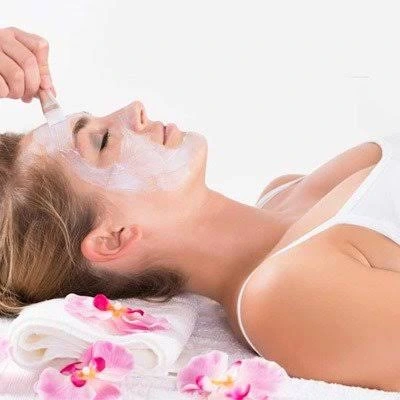
Healthy-looking facial skin can gradually develop dullness, uneven texture, visible pores, and superficial pigmentation due to sun exposure, natural aging, and previous breakouts. Professional exfoliation may help refresh the skin’s appearance and create a smoother-looking complexion. Chemical Peel Treatment in Dubai & Abu Dhabi is an option for individuals seeking facial skin renewal and improvement in selected concerns, including mild discoloration and rough texture. At Glamorous Clinic Dubai, treatment suitability depends on your skin type, current condition, and aesthetic goals.
What Is Facial Skin Renewal?
Facial skin renewal refers to treatments and skincare practices designed to improve the appearance and texture of the skin. It may involve exfoliation, hydration, sun protection, and other approaches selected according to individual needs.
A chemical peel uses a controlled chemical solution to exfoliate the outer layers of the skin. Depending on its ingredients and strength, it may help remove accumulated dead skin cells, soften the appearance of superficial imperfections, and improve uneven-looking skin tone.
Chemical peels differ in depth and intensity. Superficial peels generally involve less downtime, while stronger peels may require more recovery and carry additional risks. A professional assessment helps determine which option, if any, is appropriate.
How Can a Chemical Peel Support Facial Skin Renewal?
A carefully selected peel may address several concerns that affect the appearance of facial skin.
Improving Dull-Looking Skin
Dead skin cell buildup can contribute to a dull or rough appearance. Exfoliation helps loosen surface cells, allowing the skin to look fresher and smoother as it recovers.
Refining Uneven Texture
Some superficial peels may help improve mild roughness and selected textural concerns. The degree of improvement depends on the skin condition and the treatment used. Deep scars and pronounced textural changes may require other approaches.
Reducing the Appearance of Superficial Pigmentation
Certain peels may help improve the appearance of sunspots and some post-acne marks. However, deeper pigmentation and conditions such as melasma can be more complex and may need a tailored, ongoing treatment plan.
Supporting a More Even Complexion
By addressing surface buildup and selected pigmentation concerns, a suitable peel may help the face appear more uniform. It does not guarantee flawless skin or permanently alter natural skin colour.
Types of Chemical Peels for Facial Skin
The appropriate peel depends on your skin’s sensitivity, the concern being treated, and your previous skincare or cosmetic treatments.
Glycolic Acid Peel
Glycolic acid is an alpha hydroxy acid that helps exfoliate the skin’s surface. Depending on its concentration and formulation, it may be used to address dullness, mild uneven texture, and selected superficial pigmentation.
Lactic Acid Peel
Lactic acid is another exfoliating alpha hydroxy acid. It may be considered for certain skin types requiring surface exfoliation, although sensitivity can still occur and the formulation must be chosen carefully.
Salicylic Acid Peel
Salicylic acid is commonly used for oily and acne-prone skin because it can help exfoliate within pores. It may support the management of some acne concerns and help reduce the formation of additional post-acne marks.
Superficial Combination Peel
Some professional peels combine ingredients to address more than one concern. Their suitability depends on the formulation, concentration, and condition of the skin. Stronger or more complex treatments are not automatically more effective for every person.
What to Expect During a Facial Chemical Peel
Treatment typically starts with a consultation to review your skin concerns, medical history, current products, previous procedures, and sensitivity. Your practitioner can then determine whether a peel is appropriate and explain the expected benefits and potential risks.
The face is generally cleansed before the selected solution is applied for a controlled period. Depending on the product, it may be neutralized or removed according to the treatment protocol.
Temporary tingling, warmth, redness, tightness, dryness, or flaking may occur. Recovery varies according to the peel’s strength and your skin’s response. Follow the aftercare instructions carefully and avoid picking or rubbing peeling skin.
Aftercare Tips for Healthy-Looking Skin
Good aftercare helps support recovery and reduce the risk of irritation or additional pigmentation.
-
Apply broad-spectrum sunscreen with SPF 30 or higher daily, following professional guidance.
-
Reapply sunscreen as directed, especially when spending time outdoors.
-
Cleanse with a gentle product and moisturize regularly.
-
Avoid scrubs, exfoliating acids, retinoids, and other irritating products until your practitioner confirms they can be resumed.
-
Do not pull, scratch, or peel away loose skin.
-
Follow guidance about makeup, exercise, heat, and other activities during recovery.
-
Seek medical advice if you develop severe pain, blistering, increasing swelling, or signs of infection.
Sun protection is especially important in Dubai, where regular ultraviolet exposure can contribute to pigmentation and affect the maintenance of cosmetic results.
Who May Be Suitable for Facial Skin Renewal?
People concerned about dullness, mild roughness, selected superficial pigmentation, or some acne-related marks may be candidates for a chemical peel. However, suitability varies.
Active skin infections, significant irritation, certain inflammatory conditions, and a history of abnormal healing may affect treatment decisions. People with darker skin tones can be more prone to post-inflammatory hyperpigmentation following irritation, so careful assessment and conservative treatment selection are important.
If a spot is changing, unexplained, or persistent, seek a medical assessment before treating it cosmetically.
Frequently Asked Questions
How soon can I see results after a chemical peel?
The timing varies by peel type and skin response. Some people notice a fresher appearance after recovery, while improvements in texture or pigmentation may take multiple sessions. Immediate or guaranteed results should not be expected.
How many treatments might I need?
Some concerns may respond to one session, while others require a series of treatments. Your practitioner can recommend an appropriate schedule after evaluating your skin.
Does a chemical peel remove acne scars?
A superficial peel may help improve mild textural irregularities and the appearance of some post-acne marks. It generally cannot remove deep or pronounced acne scars completely.
Can I return to my normal routine afterward?
This depends on the treatment’s strength and your recovery. Some superficial peels involve minimal downtime, while others require you to modify activities and skincare for longer.
How can I maintain a refreshed complexion?
Use sunscreen consistently, moisturize, choose gentle skincare products, and follow any recommended treatment plan. Avoid excessive exfoliation, which can irritate the skin and worsen uneven pigmentation.
Explore Facial Skin Renewal at Glamorous Clinic Dubai
Choosing the right facial treatment begins with understanding your skin’s needs and setting realistic expectations. A professional assessment can help determine whether a chemical peel is suitable and which approach may address your concerns while minimizing avoidable irritation.
If you are exploring Chemical Peel Treatment in Dubai & Abu Dhabi, contact Glamorous Clinic Dubai to discuss your skin goals and available options. With appropriate treatment selection, consistent sun protection, and suitable aftercare, a chemical peel may help improve the appearance of dullness, uneven texture, and selected superficial pigmentation.