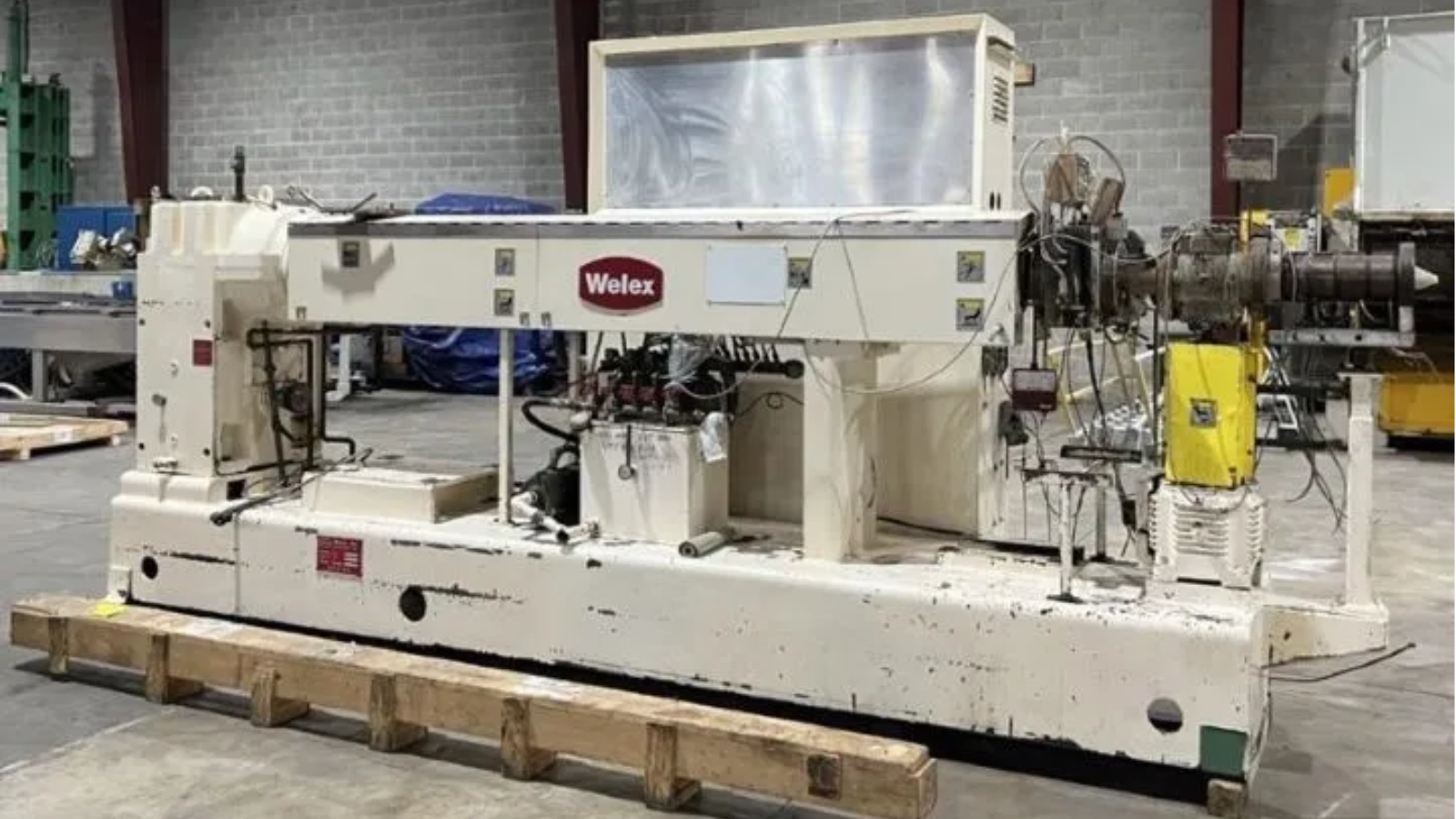
Purchasing plastic processing equipment is a significant decision for manufacturers looking to expand production, improve efficiency, or enter new markets. Buying Used Plastic Extrusion Machines can be a practical option for businesses that want to increase production capacity without committing to the cost of brand-new machinery. However, making the right choice requires more than comparing prices. Buyers need to evaluate machine condition, production requirements, maintenance history, and long-term operating costs.
Understanding these factors before making a purchase can help manufacturers avoid unnecessary expenses and select equipment that supports their production goals.
1. Identify Your Production Requirements
Start by defining what you need the machine to produce. Plastic extrusion equipment is used to manufacture products such as pipes, tubing, profiles, sheets, films, and other continuous plastic components.
The intended application determines the type of extrusion system, screw configuration, and supporting equipment required. Consider the materials you process, the dimensions of your finished products, and your expected production volume.
A machine that works well for one application may not be suitable for another. Establishing these requirements early helps narrow your options.
2. Review the Machine’s Specifications
Before evaluating individual machines, review their technical specifications. Important details include screw diameter, length-to-diameter ratio, motor power, output capacity, operating temperature range, and control system.
Check whether the machine can process your required materials, including the relevant grades of polyethylene, polypropylene, PVC, or other thermoplastics. Confirm that its specifications match your production targets rather than relying solely on the manufacturer’s original output rating.
3. Inspect the Condition and Maintenance History
A machine’s age does not always reflect its actual condition. Equipment that has received regular maintenance may be a better investment than newer machinery that has experienced heavy use or inadequate servicing.
Inspect the screw and barrel for wear, review gearbox condition, and examine the drive system, heaters, sensors, and electrical components. If possible, request maintenance records and arrange an operational inspection.
A test run using a suitable material can help reveal inconsistent output, unusual vibration, temperature fluctuations, or other performance issues.
4. Check Supporting Equipment
An extrusion line typically requires more than an extruder alone. Depending on the application, supporting equipment may include feeders, dryers, material loaders, dies, calibration units, cooling systems, haul-offs, and cutting equipment.
Confirm which components are included in the purchase. Missing accessories can increase the overall investment and delay installation.
Also verify that the equipment can integrate with your existing production line and that replacement parts are reasonably accessible.
5. Calculate the Total Cost of Ownership
The purchase price is only one part of the overall cost. Installation, transportation, electrical modifications, tooling, repairs, operator training, and initial servicing can all affect the final budget.
Estimate energy consumption, expected maintenance expenses, and the cost of replacing worn components. Comparing these expenses across different machines provides a more realistic picture of long-term value.
6. Verify Supplier Support and Documentation
Ask the supplier about available inspection reports, operating manuals, service records, and any warranty or post-sale support. Clarify the equipment’s operating status and whether it has been tested before shipment.
Clear documentation helps your maintenance team understand the machine’s requirements and prepare for installation.
Conclusion
Selecting the right extrusion equipment requires a balance between production needs, equipment condition, and total investment. A structured evaluation helps manufacturers reduce purchasing risks and make informed decisions.
When comparing Used Plastic Extrusion Machines For Sale, prioritize verified specifications, documented maintenance, operational testing, and compatibility with your existing processes. These checks can help you identify equipment that offers practical value and supports reliable production over the long term.