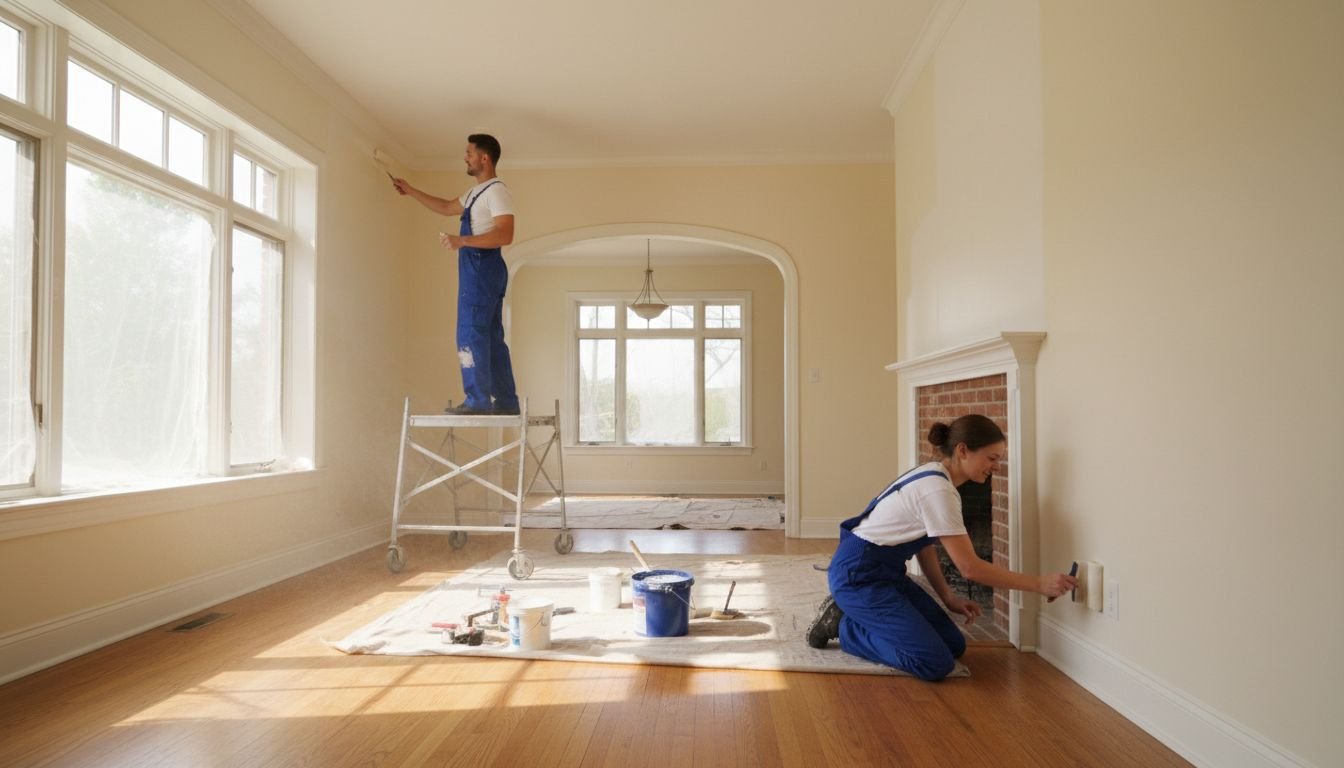
Interior painting is one of the simplest ways to give your home a fresh, clean appearance without making major changes. Homeowners in Easton, PA, often wonder when they should schedule a painting project to get smooth walls, consistent color, and lasting results. The answer depends on several factors, including room availability, surface preparation, ventilation, and the condition of the existing paint.
A successful interior painting project requires more than choosing an attractive color. Proper planning, quality paint products, and careful application all contribute to a professional finish. Understanding these details helps you choose a convenient time for painting while avoiding unnecessary interruptions to your daily routine.

Understanding the Right Time for Interior Painting
The right time for interior painting depends largely on your home and personal schedule. Unlike exterior painting, indoor painting takes place in a more controlled environment. This allows homeowners to plan projects around furniture arrangements, household activities, and the availability of professional painters.
Before scheduling a painting service, inspect the walls for cracks, peeling paint, stains, or uneven surfaces. These issues may require patching, sanding, or priming before applying a fresh coat. Taking care of repairs beforehand helps the new paint adhere properly and creates a smoother appearance.
The size of the project also matters. Painting a single bedroom requires less preparation than repainting an entire house. Consider how frequently each room is used and whether you can temporarily move furniture or household items.
A well organized painting schedule gives professionals enough time to prepare surfaces, apply paint, and complete final inspections without rushing the process.
How Room Availability Affects Painting Projects
Room availability plays an important role when planning interior house painting. Bedrooms, living rooms, kitchens, and hallways serve different purposes, so each space may require a separate painting schedule. Homeowners should consider how long they can keep a room clear of furniture and regular activities.
Professional painters can help organize the work into manageable stages. This approach makes it easier to maintain access to essential areas while allowing sufficient time for surface preparation, paint application, and drying.
Tip 1. Start with rooms that receive less daily use. This allows you to become familiar with the painting process before moving into frequently occupied spaces.
Factors That Affect Interior Paint Quality
A beautiful interior paint finish starts with the condition of the walls. Even high quality paint may produce disappointing results when applied over dust, grease, loose paint, or damaged drywall. Cleaning the surfaces and repairing visible imperfections creates a stronger foundation for the new coating.
Paint selection is another important consideration. Interior latex paint works well for many household surfaces because it is easy to maintain and available in different finishes. Matte and eggshell finishes are common choices for living spaces, while satin and semi gloss finishes can provide better washability in frequently used areas.
Proper ventilation and stable indoor conditions also support the painting process. Follow the paint manufacturer recommendations for application, drying, and recoating.
Professional interior painters usually inspect the surfaces before beginning work. This helps them identify problem areas, recommend suitable primers, and determine which painting techniques will produce consistent coverage throughout the home.
Choosing Paint Finishes for Different Rooms
Different rooms have different cleaning and maintenance needs. Living rooms and bedrooms often look attractive with matte or eggshell finishes because these coatings provide a soft appearance. Kitchens, bathrooms, and frequently used hallways may benefit from more washable finishes.
When selecting interior wall paint, consider how much contact each surface receives. Trim, doors, and baseboards generally need a finish that tolerates regular cleaning.
Tip 2. Test a small paint sample on the actual wall before making your final choice. Check the color under your usual indoor lighting to see how it looks alongside your furniture and flooring.
Preparing Your Home for Professional Interior Painting
Preparing your home before interior painting helps reduce interruptions and allows painters to concentrate on their work. Clear smaller belongings from the room, remove decorations from the walls, and move furniture away from surfaces that need painting.
Large furniture pieces can often remain in the room when they are moved toward the center and properly covered. Floors, electrical outlets, light fixtures, and nearby surfaces should also receive suitable protection.
Wall preparation is equally important. Small holes, cracks, uneven drywall patches, and loose caulking can become noticeable after painting. Addressing these problems before applying primer or paint creates a cleaner finished appearance.
Homeowners can make preparation easier by following a simple checklist.
– Remove pictures, mirrors, and lightweight decorations.
– Move furniture away from walls.
– Store fragile belongings in a safe place.
– Identify areas that need drywall repair.
– Discuss paint colors and finishes before work begins.
Good preparation makes the painting process more organized and helps prevent avoidable delays.
Why Surface Preparation Matters Before Painting
Surface preparation directly affects how well interior paint adheres and how the finished walls look. Dust, grease, and loose coatings can interfere with proper bonding, while unfilled cracks and dents remain visible beneath fresh paint.
Painters typically clean problem areas, repair damaged drywall, sand rough patches, and apply primer where necessary. Previously painted surfaces may need additional attention when stains or uneven patches are present.
Proper preparation also helps produce consistent color and texture. Skipping these steps may lead to peeling, uneven coverage, or visible imperfections that require additional repairs.
How to Plan a Convenient Interior Painting Schedule
Planning an interior painting schedule becomes easier when you understand the scope of the project. Start by identifying which rooms need attention and whether the work involves walls, ceilings, doors, or trim. Each additional surface can affect the amount of preparation and painting required.
Next, consider the number of coats needed. Significant color changes, repaired drywall, and certain paint products may require primer or additional coats to achieve even coverage. Manufacturers also specify drying and recoating intervals that painters must follow.
For larger projects, dividing the work into sections can help maintain a comfortable household routine. Families may prefer to complete bedrooms individually before moving to shared living areas.
Discussing these details with an interior painting contractor in Easton, PA, allows you to develop a realistic schedule. Clear communication about room access, furniture protection, and finishing expectations helps the project proceed with fewer interruptions.
Working With an Interior Painting Contractor
Hiring an experienced interior painting contractor can make planning easier, especially when several rooms need repainting. A professional should inspect the existing surfaces, explain necessary repairs, and discuss suitable paint products before starting.
Ask about surface protection, preparation methods, expected project duration, and the number of coats included in the work. Written estimates can help clarify the services being provided.
Good communication matters throughout the project. Discuss preferred room arrangements, access requirements, and any concerns about furniture or flooring. This helps everyone understand the work involved and reduces confusion during the painting process.
The best time to schedule interior painting is when your household can comfortably accommodate the work and the surfaces are ready for preparation. There is no need to rush a project simply to meet an arbitrary date. Careful planning, appropriate materials, and proper application are more important for achieving attractive, lasting results.
Conclusion
The best time for interior painting depends on your home condition, daily routine, and project requirements. Proper wall preparation, suitable paint products, and careful application are more important than choosing a particular date. Taking time to repair damaged surfaces, select the right paint finish, and plan each room helps achieve smooth, attractive, and lasting results.
For homeowners in Easton, PA, interior painting can be a convenient way to refresh living spaces and maintain the appearance of walls, ceilings, and trim. If you are planning to repaint your home, contact a local interior painting professional to discuss your needs and schedule a suitable appointment.
Frequently Asked Questions
Can interior painting be done at any time of the year.
Yes. Interior painting can generally be scheduled throughout the year when indoor conditions meet the paint manufacturer requirements. Proper preparation, ventilation, and drying time remain important.
How long does interior house painting take.
A single room may take one or two days, depending on its size, surface condition, preparation needs, and required coats. Larger projects may take several days.
Should I move furniture before interior painting.
Yes. Move smaller belongings out of the room and place larger furniture away from the walls. Protective coverings help prevent accidental paint splashes.
How often should interior walls be repainted.
Many homeowners repaint interior walls every three to seven years. Actual timing depends on surface wear, room usage, paint quality, and personal preferences.
Is primer necessary before interior painting.
Primer is useful when covering repaired drywall, stained surfaces, porous materials, or significant color changes. Not every previously painted wall requires a separate primer coat.
How do I choose the right interior paint finish.
Consider the room purpose, cleaning requirements, surface condition, and preferred appearance. Eggshell and satin finishes are popular options, while trim and doors often benefit from more washable coatings.