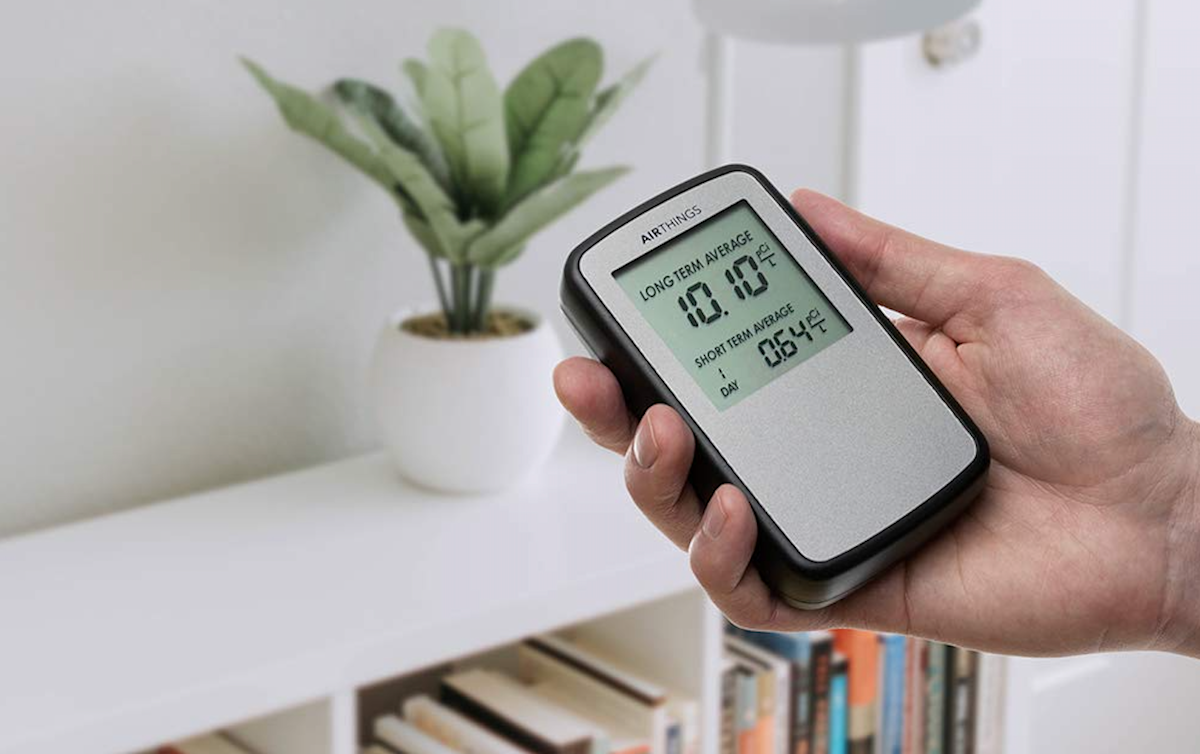
Indoor air quality plays an important role in maintaining a healthy home or workplace. While people often notice dust, smoke, and unpleasant odors, some indoor hazards remain completely invisible. Radon is one example. It is a naturally occurring radioactive gas that forms through the breakdown of uranium in soil and rocks. Because it has no color, smell, or taste, it can enter a building and accumulate without anyone noticing. Radon testing helps property owners identify its presence and understand whether indoor concentrations require attention.
Radon can enter buildings through foundation cracks, gaps around pipes, construction joints, and openings in basement floors. Once inside, it may build up to higher concentrations, especially in areas with limited ventilation. Testing provides information that cannot be obtained through an ordinary visual inspection. Whether you own a home, manage a commercial property, or plan to purchase a building, understanding the testing process can help you make informed decisions about indoor air quality.
Why Radon Testing Is Important
Long-term exposure to elevated radon levels is a recognized health concern. When radon gas breaks down, it produces radioactive particles that can be inhaled into the lungs. Over time, exposure can increase the risk of lung cancer. The level of risk depends on factors such as radon concentration, exposure duration, and smoking history.
The main challenge is that radon exposure does not produce a reliable immediate warning sign. People cannot identify it by looking at walls, smelling the air, or noticing changes in their daily environment. A building may appear clean and well maintained while still containing elevated radon concentrations.
Regular radon testing in West Jefferson helps identify this hidden concern and provides a basis for deciding whether further action is needed. It is especially useful in properties with basements, crawl spaces, or ground-level rooms. Testing can also help buyers understand potential indoor air quality concerns before completing a property purchase.
How Radon Enters Homes and Buildings
Radon develops naturally underground as radioactive elements break down in soil and rock. The gas can move through small spaces in the ground and enter buildings through openings in their foundations. Even minor gaps around utility pipes, floor drains, and construction joints may provide possible entry routes.
Buildings with basements or crawl spaces can be particularly exposed because these areas are in direct contact with the ground. However, radon is not limited to lower floors. It can move through a building as indoor air circulates, meaning upper levels may also contain measurable concentrations.
Several factors influence how much radon enters a property. Soil conditions, foundation design, ventilation, air pressure, and construction materials can all affect indoor concentrations. The age of a building does not reliably predict its radon level. New homes and older properties can both require testing.
How Professional Radon Testing Works
Testing uses specialized equipment to measure the concentration of radon in indoor air. The method selected depends on the purpose of the assessment and how much information is needed. Short-term tests commonly measure radon over a period of a few days, while long-term tests may continue for several months to provide a better estimate of average exposure.
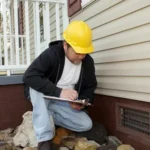
During a typical assessment, the testing professional identifies suitable locations for placing the equipment. The device is generally positioned in the lowest level of the property that people regularly occupy or could reasonably use. Correct placement is important because unsuitable locations or changes in testing conditions may affect the results.
Some devices collect measurements over a set period, while continuous monitors record radon levels at regular intervals. A professional radon testing process should include clear instructions about maintaining appropriate conditions during the measurement period. Once testing is complete, the results are reviewed and compared with relevant public health guidance.
When Should You Test Your Property?
Radon testing is useful when buying a house, renovating a basement, finishing a lower-level room, or checking the condition of an existing property. Buyers may arrange testing before completing a purchase so they can understand the property’s indoor air conditions. If elevated levels are found, they can discuss possible solutions with the seller or a qualified specialist.
Homeowners should also consider testing if they have never checked their property before. Changes to foundations, ventilation systems, or basement layouts may affect how radon enters and moves through a building. A previous test may not always represent current conditions, particularly after major renovations or structural repairs.
Commercial property owners can benefit from testing as well. Offices, schools, retail buildings, and other workplaces may contain lower-level rooms where employees or visitors spend considerable time. Testing helps building managers understand indoor conditions and determine whether mitigation should be considered.
Areas That May Require Special Attention
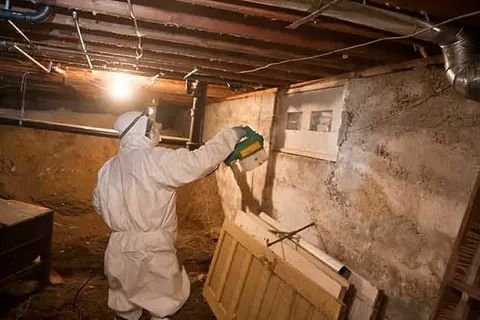
The basement and foundation are important areas during a radon assessment because the gas commonly enters from the soil beneath a building. Inspectors may consider cracks in concrete floors, openings around pipes, sump pits, crawl spaces, and gaps between foundation components. These locations can provide possible pathways for radon to enter.
Utility rooms, storage areas, and ground-level spaces may also need attention, especially when they are regularly occupied. However, testing should follow suitable measurement guidelines rather than assuming that only one room can contain elevated radon levels. The building’s layout and intended use help determine appropriate testing locations.
A professional radon testing assessment focuses on measuring indoor concentrations, not simply locating visible foundation openings. Sealing cracks may help reduce certain entry routes, but it does not automatically resolve an elevated radon problem. Accurate measurements are necessary to understand the actual conditions inside the property.
Understanding Radon Test Results
Radon results are commonly reported in picocuries per liter of air (pCi/L) in the United States or becquerels per cubic meter (Bq/m³) in many other countries. The meaning of a result depends on the applicable public health recommendations and local regulations. Property owners should compare their results with the guidance used in their location.
In the United States, the Environmental Protection Agency recommends taking action when the average indoor radon level is at or above 4 pCi/L. It also advises considering action for levels between 2 and 4 pCi/L. Other countries may use different reference or action levels, so local guidance should be followed.
A result below an action level does not mean that radon is completely absent. It indicates that the measured concentration is below the level at which authorities generally recommend corrective action. When results are close to a recommended threshold, additional testing may help provide a clearer picture of long-term exposure.
What Happens When Elevated Radon Is Found?
Discovering elevated radon levels does not mean that a building is unsafe to occupy permanently. It means that the property should be evaluated to determine the best way to reduce indoor concentrations. The appropriate solution depends on the building’s foundation, construction, soil conditions, and measured radon level.
One common method is sub-slab depressurization. This system uses a pipe and fan to draw radon from beneath the foundation and release it outside before it enters the indoor environment. Other methods may be suitable for buildings with crawl spaces or different foundation designs. A qualified radon mitigation specialist can recommend an approach based on the property’s specific conditions.
After a mitigation system is installed, follow-up radon testing is important. It helps confirm whether the system has reduced indoor concentrations to an acceptable level. Property owners should also follow maintenance instructions and arrange additional testing when recommended.
Choosing a Qualified Radon Testing Provider
Selecting a suitable testing provider is important for obtaining meaningful results. Look for a company or technician with relevant training and experience in radon measurement. Depending on the location, recognized certification or licensing requirements may apply. Checking these qualifications can help you understand whether the provider follows accepted testing procedures.
Before arranging an appointment, ask which measurement method will be used and how long testing will take. Find out where the equipment will be placed, whether the provider supplies a written report, and how the results will be explained. A clear report should identify the testing period, measurement location, recorded concentration, and recommended next steps.
A reliable radon testing provider should also explain any preparation requirements. Property owners may need to maintain specific conditions during a short-term test to avoid affecting the results. Clear instructions and proper equipment handling help make the assessment more useful.
Factors That Affect Radon Testing Costs
The cost of testing depends on the measurement method, property size, number of testing locations, and length of the assessment. A basic short-term test may cost less than long-term monitoring or testing several areas of a large building. Additional charges may apply for expedited reporting or follow-up measurements.
Before booking, request a clear estimate that explains which services are included. Ask whether the price covers equipment placement, collection, analysis, and a written report. If the property has several floors, multiple occupied areas, or unusual construction features, provide these details when requesting a quote.
When comparing providers, consider their qualifications, testing procedures, equipment, and reporting quality rather than choosing solely on price. Accurate measurements are important because treatment decisions should be based on reliable results.
Protect Your Indoor Environment With Radon Testing
Radon is an invisible gas that can enter homes and commercial buildings through small openings in foundations. Because it cannot be detected through ordinary observation, testing is the most practical way to understand indoor concentrations. Early identification gives property owners an opportunity to consider appropriate corrective measures when results indicate a concern.
Arranging radon testing can be a useful step when purchasing, renovating, or maintaining a property. Choose a qualified provider, follow the testing instructions, and review the results according to local public health recommendations. If elevated concentrations are identified, consult a qualified mitigation specialist and arrange follow-up measurements after corrective work.
Every building has different construction features and environmental conditions. Regular attention to indoor air quality and timely testing can help property owners make informed decisions. By understanding radon levels and responding when necessary, you can take practical steps toward maintaining a healthier indoor environment.