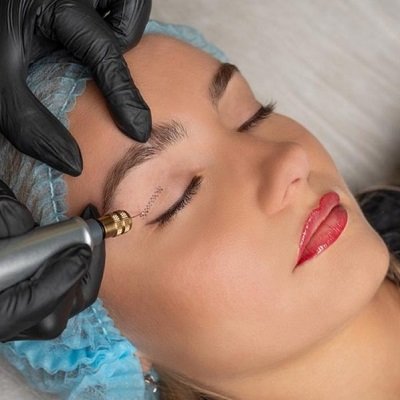
The delicate skin around the eyes is often one of the first areas to show visible signs of ageing. Fine lines, wrinkles, loose skin, and drooping upper eyelids can gradually affect facial appearance, making the eyes look tired or older than they feel. With advancements in aesthetic treatments, non-surgical skin-tightening procedures have become increasingly popular among individuals seeking a refreshed appearance without undergoing traditional surgery. One such treatment is Plexr Plasma Eye Lift, which uses plasma energy to address mild to moderate skin laxity.
For individuals considering Plexr Plasma Eye Lift in Muscat, choosing the right specialist is an essential step towards a safe and satisfactory experience. Although the treatment is minimally invasive, it requires specialised knowledge, technical precision, and a clear understanding of the delicate eye area. A qualified professional can assess individual concerns, explain realistic outcomes, and develop an appropriate treatment plan. Understanding what to look for in a specialist helps individuals make informed decisions and approach the procedure with confidence.
1. Understand the Plexr Plasma Eye Lift Procedure
Before selecting a specialist, it is helpful to understand how the Plexr Plasma Eye Lift works. The procedure uses plasma energy generated by a specialised device to create controlled micro-injuries on the skin’s surface. This process causes targeted skin contraction and encourages the body’s natural healing response, including collagen production.
The treatment is commonly considered for concerns such as:
-
Mild to moderate loose skin around the upper eyelids.
-
Fine lines and wrinkles around the eyes.
-
Crepey or ageing eyelid skin.
-
Mild skin laxity beneath the eyes.
-
A tired appearance associated with excess superficial skin.
Unlike traditional eyelid surgery, Plexr does not involve surgical incisions or the removal of skin. Instead, it works through controlled energy application to encourage tightening.
However, the treatment is not suitable for everyone. Individuals with significant excess eyelid skin, severe drooping, certain eye conditions, or particular medical concerns may require alternative options. A responsible specialist will explain these limitations instead of promising dramatic results.
2. Check the Specialist’s Qualifications and Experience
One of the most important considerations when choosing a Plexr Plasma Eye Lift specialist is professional qualification. The eye area is particularly sensitive, with delicate skin and important underlying structures. Therefore, the treatment should only be performed by an appropriately qualified healthcare professional with relevant aesthetic experience and specific training in plasma technology.
Individuals should consider the following factors:
Relevant Medical Qualifications: The specialist should have recognised medical or healthcare qualifications appropriate to performing aesthetic procedures. This provides an important foundation for understanding skin anatomy, treatment safety, and possible complications.
Specific Plexr Training: Experience with general aesthetic treatments does not automatically mean someone is qualified to perform plasma-based procedures. Proper training in the device, treatment technique, energy settings, and safety precautions is essential.
Experience with the Eye Area: Treating eyelid skin requires a careful approach because the area is thinner and more delicate than many other facial regions. A specialist familiar with periocular treatments is better positioned to assess suitability and minimise avoidable risks.
Ongoing Professional Development: Aesthetic technologies continue to evolve. Specialists who participate in relevant training and professional development are more likely to remain familiar with current techniques and safety recommendations.
Checking these credentials helps individuals distinguish between a qualified specialist and someone who may have limited experience with this particular procedure.
3. Evaluate Consultation Quality and Personalised Treatment Planning
A thorough consultation is an important part of the treatment journey. It allows the specialist to understand the individual’s concerns, examine the eye area, review medical history, and determine whether Plexr Plasma Eye Lift is an appropriate option.
A professional consultation should never feel rushed or overly focused on selling a procedure.
During the assessment, the specialist should consider:
-
The degree of upper or lower eyelid skin laxity.
-
Skin thickness, texture, and elasticity.
-
Existing wrinkles and fine lines.
-
Previous cosmetic procedures or treatments.
-
Medical conditions and medication use.
-
History of scarring, pigmentation, or delayed wound healing.
-
Individual expectations and desired improvements.
The specialist should also explain what the procedure can realistically achieve. For example, mild skin tightening may be possible, but significant excess skin or functional eyelid problems may require a different treatment approach.
A personalised plan should outline the expected treatment areas, preparation requirements, number of sessions if appropriate, recovery expectations, and follow-up arrangements.
Individuals should feel comfortable asking questions and receiving clear answers. A trustworthy professional will explain both the benefits and limitations without creating unrealistic expectations.
4. Review Safety Standards, Technology, and Hygiene Practices
Safety should remain a priority when choosing a specialist for any aesthetic procedure, particularly one performed close to the eyes. Although Plexr Plasma Eye Lift is generally described as a minimally invasive treatment, it still involves controlled skin injury and requires appropriate precautions.
A suitable treatment environment should follow recognised hygiene and infection-control standards. The specialist should use appropriate protective equipment, maintain clean treatment surfaces, and ensure that the device is suitable for the intended procedure.
Important safety considerations include:
Protective Measures: Proper eye protection and suitable precautions are essential during plasma treatment. The specialist should explain how the eyes and surrounding structures will be protected throughout the procedure.
Device Knowledge: The professional should understand how the plasma device works and how to select appropriate treatment settings based on the individual’s skin and treatment area.
Hygiene and Sterilisation: Appropriate infection-control procedures, clean equipment, and safe handling of treatment materials help reduce the risk of complications.
Medical Assessment: A complete medical history should be reviewed before treatment. Certain conditions, including active skin infections, some eye disorders, healing problems, or a tendency towards abnormal scarring, may affect suitability.
Emergency Preparedness: The treatment provider should have appropriate procedures for managing unexpected reactions or complications and know when referral to an eye specialist or another medical professional is necessary.
These details help individuals assess whether the treatment is being approached with the seriousness and professionalism it deserves.
5. Understand Recovery, Possible Side Effects, and Expected Results
A good Plexr Plasma Eye Lift specialist will explain the recovery process before treatment begins. Understanding what happens afterwards helps individuals prepare for temporary changes and recognise when medical advice may be needed.
Following the procedure, small crusts or carbonised spots may develop on the treated skin. Mild swelling, redness, tenderness, and temporary discomfort are also possible. The amount of swelling and recovery time can vary depending on the treatment area, skin characteristics, and individual healing response.
The specialist should provide clear aftercare instructions, which may include:
-
Keeping the treated area clean according to professional guidance.
-
Avoiding picking, scratching, or removing treatment crusts.
-
Using recommended skincare products during recovery.
-
Avoiding direct sun exposure and following appropriate sun protection advice.
-
Temporarily avoiding makeup and irritating skincare ingredients until the skin has healed.
-
Attending scheduled follow-up appointments.
Potential complications should also be discussed. These may include infection, prolonged redness, scarring, changes in skin pigmentation, and burns. Because the procedure is performed around the eyes, inappropriate treatment techniques may also create risks to nearby ocular structures.
Results generally develop as the skin heals and remodels. Some individuals may notice visible tightening after recovery, while others may require additional sessions or may not achieve their desired outcome. Results are not equivalent to surgical eyelid correction, and the natural ageing process continues after treatment.
A responsible specialist will explain these possibilities rather than guarantee permanent or identical results for every individual.
6. Compare Professional Reputation, Patient Feedback, and Aftercare Support
Another useful way to select a Plexr Plasma Eye Lift specialist is by reviewing professional reputation and the overall patient experience. Feedback from previous patients can provide an understanding of consultation quality, communication, treatment professionalism, and follow-up support.
When reviewing patient experiences, individuals should look beyond promotional claims and consider whether feedback provides meaningful details about the treatment journey.
Useful points to investigate include:
-
Whether patients describe clear and informative consultations.
-
Whether treatment expectations were explained honestly.
-
Whether aftercare instructions were provided.
-
Whether follow-up appointments were available.
-
Whether concerns were addressed professionally.
-
Whether the overall treatment experience appeared organised and transparent.
Before-and-after photographs may also help individuals understand the type of improvement that can be achieved. However, photographs should be viewed critically. Lighting, camera angles, facial expressions, and image editing can influence how results appear. Ideally, photographs should represent genuine patients with consistent lighting and comparable angles.
Aftercare support is equally important. A reliable specialist should remain available to answer questions during recovery and provide guidance if unexpected symptoms develop.
Individuals should also understand the treatment fees, what is included, whether follow-up appointments are provided, and whether additional sessions may be recommended. Clear communication about these details helps avoid confusion later.
Frequently Asked Questions (FAQs)
1. What is Plexr Plasma Eye Lift used for?
Plexr Plasma Eye Lift is a non-surgical aesthetic procedure designed to improve the appearance of mild to moderate loose skin, fine lines, and wrinkles around the eyes. It uses controlled plasma energy to encourage superficial skin contraction and stimulate the natural healing process. Suitability depends on individual skin condition and treatment goals.
2. How can someone choose the right Plexr Plasma Eye Lift specialist?
The right specialist should have appropriate professional qualifications, specific training in plasma technology, and experience treating the delicate eye area. Individuals should also assess consultation quality, hygiene practices, safety measures, patient feedback, and the availability of aftercare support before making a decision.
3. Is Plexr Plasma Eye Lift a completely non-invasive treatment?
Plexr Plasma Eye Lift is generally described as a non-surgical or minimally invasive procedure. However, it creates controlled superficial injuries on the skin, meaning it is not completely non-invasive. Proper assessment, treatment technique, and aftercare are important for reducing potential complications.
4. How long does recovery take after Plexr Plasma Eye Lift?
Recovery varies between individuals and depends on the treatment area and personal healing response. Small crusts, redness, and swelling are common temporary effects. The skin may take several days to heal superficially, while complete recovery and the fading of residual redness or pigmentation changes can take longer.
5. Are the results of Plexr Plasma Eye Lift permanent?
The treatment may provide longer-lasting skin tightening, but results are not necessarily permanent. Natural ageing, skin elasticity, lifestyle factors, and individual characteristics influence how long improvements remain visible. Some individuals may also require additional treatments to maintain their desired appearance.
6. Is Plexr Plasma Eye Lift suitable for everyone?
No. Individuals with significant eyelid skin excess, certain eye conditions, active infections, healing difficulties, or other medical concerns may not be suitable candidates. A professional assessment is necessary to determine whether the treatment is appropriate or whether an alternative procedure would provide a safer and more effective outcome.
Final Thoughts
Choosing the right Plexr Plasma Eye Lift specialist requires more than comparing treatment availability or looking at advertised results. Professional qualifications, specific plasma treatment experience, careful consultation, hygiene standards, realistic expectations, and reliable aftercare all contribute to a safer treatment experience.
Individuals considering this procedure should take time to research their options, ask detailed questions, and ensure that their chosen professional understands the delicate anatomy of the eye area. A well-informed decision can help set realistic expectations and support a more confident approach to aesthetic treatment.
Read More About Plexr Plasma Eye Lift in Muscat: https://linkmate.mn.co/posts/plexr-plasma-eye-lift-how-does-plasma-technology-work