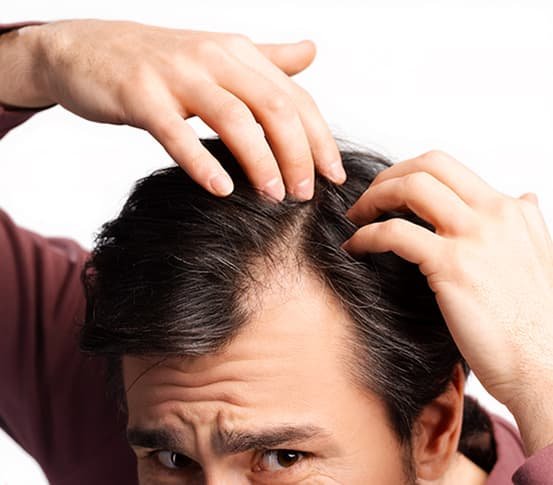
Male pattern baldness is a common condition that can cause gradual hair thinning, a receding hairline, and reduced coverage around the crown. It is usually associated with genetic factors and the sensitivity of hair follicles to dihydrotestosterone (DHT). Although hair loss may progress over time, several treatment options can help men manage the condition, preserve existing hair, and improve density in suitable cases. The most effective approach depends on the stage of hair loss, follicle condition, medical history, and personal expectations. Baldness Treatment for Male in Dubai includes different medical and hair restoration approaches designed to address individual hair loss concerns. Understanding these options can help men choose a suitable treatment with professional guidance.
Understanding Different Hair Restoration Approaches
Male baldness treatments work in different ways. Some aim to reduce the hormonal effects responsible for follicle miniaturisation, while others support hair growth or improve scalp coverage. Medical treatments are generally considered when follicles are still active and producing hair. Procedures such as platelet-rich plasma (PRP) and low-level laser therapy may be discussed as additional options for selected patients. Hair transplantation is another approach for men with established bald areas and sufficient donor follicles. No single treatment is suitable for everyone, and results vary according to the cause and severity of hair loss. A professional scalp assessment helps determine which option is appropriate.
Topical Minoxidil for Hair Growth
Minoxidil is a widely used topical treatment for male pattern baldness. It is applied directly to the scalp and may help stimulate hair growth, support follicle activity, and improve the thickness of existing strands. Its exact mechanism is not fully understood, but it is believed to influence the hair growth cycle and extend the active growth phase. Minoxidil may be considered for men experiencing early or moderate thinning, particularly when follicles remain active. Visible improvement can take six to twelve months, and consistent use is usually necessary to maintain benefits. Some men experience scalp irritation, dryness, itching, or headaches. A healthcare professional can explain the appropriate formulation and usage instructions.
Finasteride for Managing DHT
Finasteride is a prescription medication used to manage male pattern hair loss. It works by inhibiting the 5-alpha-reductase enzyme, which reduces the conversion of testosterone into DHT. Since DHT contributes to follicle miniaturisation in genetically susceptible men, lowering its production may help slow further hair loss and improve hair density in some patients. Results usually take several months to become noticeable, and continued treatment is generally required to maintain benefits. Finasteride is not suitable for every man and may cause side effects, including sexual difficulties, breast tenderness, or mood-related changes. Men should discuss their medical history and potential risks with a qualified clinician before considering this medication.
Platelet-Rich Plasma Therapy
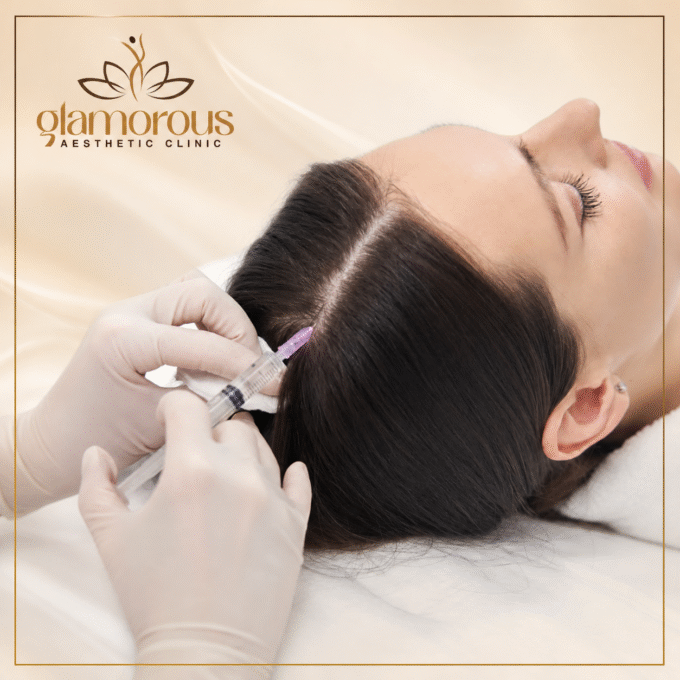
Platelet-rich plasma therapy is a non-surgical procedure that uses a concentrated portion of the patient’s own blood. A small blood sample is collected and processed to separate the platelet-rich plasma from other blood components. The prepared plasma is then injected into selected areas of the scalp. Platelets contain growth factors involved in tissue repair and cellular signalling, which may support follicle activity in some patients. PRP is sometimes considered for men with thinning hair who want an additional approach alongside other treatments. Several sessions may be recommended, followed by maintenance treatments depending on the response. Results vary, and PRP should not be presented as a guaranteed solution for advanced baldness.
Low-Level Laser Therapy
Low-level laser therapy uses specific wavelengths of light to deliver energy to the scalp. It is designed to support cellular activity within hair follicles and may help improve hair density in some men with hereditary hair loss. The treatment is non-invasive and can be performed using specialised devices such as laser caps or combs. It does not involve surgery, injections, or removing hair follicles. However, regular use over several months may be required before any improvement becomes noticeable. The response varies according to the individual and the device used. A specialist can help determine whether laser therapy is suitable and whether it should form part of a wider hair restoration plan.
Hair Transplantation for Permanent Hair Restoration
Hair transplantation is a surgical option for men who have established bald areas and sufficient healthy donor hair. The procedure involves moving hair follicles from a donor region, usually the back or sides of the scalp, into areas affected by thinning. Follicular Unit Extraction (FUE) and Follicular Unit Strip Surgery (FUSS) are two commonly used techniques. FUE involves removing individual follicular units, while FUSS uses a strip of scalp tissue that is divided into smaller grafts. Transplanted follicles can provide long-lasting growth, but the procedure does not stop untreated natural hair from thinning. Donor density, scalp condition, hair characteristics, and future hair loss must be assessed before surgery.
Choosing Between FUE and FUSS
The choice between FUE and FUSS depends on the patient’s donor area, hair characteristics, restoration goals, and preference regarding scarring. FUE removes individual follicular units and generally leaves small scattered scars that may be less noticeable with shorter hairstyles. FUSS removes a narrow strip of scalp tissue and leaves a linear scar that can usually be covered by surrounding hair. Both techniques require careful graft handling and placement to achieve a natural appearance. The number of available donor follicles is limited, so treatment planning should consider future hair loss rather than focusing only on current bald areas. A hair restoration specialist can explain the advantages and limitations of each method.
Microneedling as a Supportive Treatment
Microneedling uses a specialised device with fine needles to create controlled micro-injuries in the scalp. This process is intended to activate the skin’s natural repair response and may influence growth-related signalling around hair follicles. Some clinicians use microneedling alongside established medical treatments, particularly topical minoxidil, for selected patients. Evidence suggests potential benefits, but results depend on the technique, treatment schedule, and individual condition. It is not suitable for every scalp, especially when infection, inflammation, or certain skin conditions are present. Microneedling should be performed under appropriate professional guidance rather than using unregulated home devices that may cause irritation or injury.
Factors That Influence Treatment Results
The success of baldness treatment depends on several individual factors. The stage of hair loss, age, genetics, follicle activity, scalp health, and general medical condition can all influence the outcome. Men with early thinning may have more opportunities to preserve existing hair, while those with extensive baldness may need to consider surgical restoration if donor follicles are available. Treatment consistency is also important, particularly for medications that require continued use. Lifestyle habits, nutritional deficiencies, and certain medical conditions may affect hair health and should be addressed when relevant. A realistic treatment plan considers both current hair loss and the possibility of future progression.
The Importance of Professional Assessment
A professional consultation helps identify the cause of hair loss before treatment begins. The specialist may examine the scalp, assess hair density, review family history, and discuss previous treatments and medical conditions. Additional investigations may be recommended if the pattern suggests a condition other than hereditary baldness. This step helps avoid unnecessary procedures and supports safer treatment decisions. The consultation should also cover possible side effects, recovery requirements, expected timelines, and long-term maintenance. Men should understand that hair restoration results vary and that complete regrowth cannot be guaranteed. Regular follow-up can help monitor progress and determine whether the selected approach is providing the expected benefits.
Conclusion
Several treatment options are available for men experiencing hereditary hair loss, including minoxidil, finasteride, PRP, low-level laser therapy, microneedling, and hair transplantation. Medical treatments may help slow progression or improve density when follicles remain active, while transplantation can restore coverage in suitable patients with established bald areas. The right choice depends on the cause and severity of hair loss, general health, donor hair availability, and personal goals. No treatment guarantees complete restoration, and some options require ongoing care to maintain results. A professional assessment helps men understand the available approaches and select a treatment plan based on realistic expectations.
Frequently Asked Questions
Which Treatment Is Commonly Used for Male Pattern Baldness?
Topical minoxidil and prescription finasteride are established medical options for male pattern baldness. They work differently and may be used individually or together when clinically appropriate. A specialist can assess suitability and explain possible side effects.
Can PRP Therapy Regrow Hair in Men?
PRP may help reduce shedding and improve hair thickness in some men with thinning hair. However, results vary, and it is not a guaranteed method of restoring hair in completely bald areas. Maintenance sessions may be required.
Is Hair Transplantation a Permanent Treatment?
Transplanted follicles can provide long-lasting hair growth because they are generally taken from areas less affected by male pattern baldness. However, natural hair surrounding the transplanted area may continue to thin, so long-term planning is important.
How Long Does It Take to See Results from Baldness Treatment?
The timeline depends on the treatment. Medical options may require six to twelve months for noticeable improvement, while hair transplantation develops gradually over several months. The final appearance after surgery may take around a year or longer to mature.
Can Men Combine Different Hair Loss Treatments?
Yes. Certain treatments may be combined when a specialist considers them appropriate. For example, medical therapy may be used alongside PRP or hair transplantation. The combination should be based on the patient’s diagnosis, health, and treatment goals.
Can Male Baldness Be Completely Cured?
There is currently no guaranteed cure for hereditary male pattern baldness. Available treatments may slow hair loss, support regrowth, or improve coverage, but their effectiveness varies. Ongoing care may be needed to maintain the benefits.