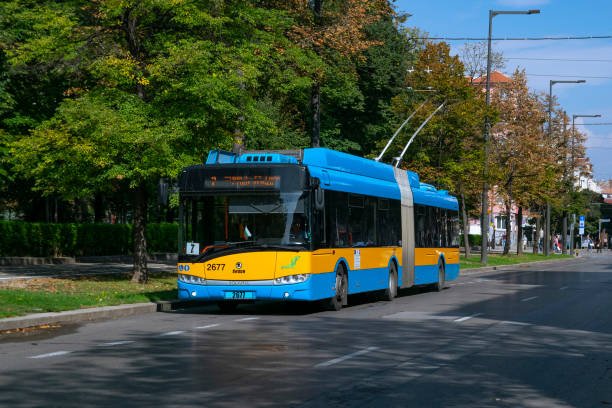
Europe is rapidly embracing electric buses as cities and governments work toward cleaner, smarter, and more sustainable public transportation systems. Rising concerns over urban air pollution, stricter emission regulations, and ambitious climate goals are encouraging transit authorities to replace conventional diesel fleets with battery-electric alternatives. As charging infrastructure improves and vehicle technology advances, electric buses are becoming a practical solution for reducing carbon emissions while enhancing passenger comfort and operational efficiency.
According to research published by Markntel Advisor, the adoption of electric buses is accelerating across European countries due to supportive government initiatives, investments in green mobility, and expanding public transportation modernization projects. The report also highlights how technological advancements and favorable policies are creating new opportunities for manufacturers and transit operators throughout the region. Readers can explore the detailed analysis through this comprehensive industry research.
Why Europe Is Investing in Electric Bus Fleets
European governments have committed to reducing greenhouse gas emissions under long-term environmental strategies, making public transport electrification a major priority. Electric buses help cities meet these sustainability targets by significantly lowering emissions while reducing dependence on fossil fuels.
Several municipalities are replacing aging diesel buses with electric alternatives as part of broader clean mobility programs. Investments in charging infrastructure, financial incentives for fleet operators, and public-private partnerships are further accelerating deployment across urban and suburban transport networks.
Industry observers note that supportive regulations and increasing investments in zero-emission transportation continue to strengthen Europe’s electric mobility ecosystem. Similar findings are discussed in research published by the International Energy Agency (IEA), which highlights the growing role of electric public transportation in global decarbonization efforts.
Key Technologies Driving Electric Bus Adoption
Continuous innovation is improving the performance, reliability, and efficiency of electric buses. Manufacturers are focusing on technologies that extend driving range while reducing charging time and maintenance requirements.
- High-capacity lithium-ion battery systems
- Fast-charging and opportunity charging technologies
- Regenerative braking for improved energy efficiency
- Advanced battery management systems
- Smart fleet monitoring and predictive maintenance software
- Connected vehicle and telematics solutions
These innovations enable transport authorities to optimize fleet operations while lowering the total cost of ownership over the vehicle lifecycle.
Benefits for Cities and Public Transport Operators
Electric buses offer several operational and environmental advantages compared to traditional diesel-powered vehicles. Their quiet operation improves passenger experience while contributing to reduced noise pollution in densely populated urban areas.
Beyond environmental improvements, electric buses typically require fewer moving mechanical components, reducing maintenance complexity and improving long-term fleet reliability. Organizations such as the European Automobile Manufacturers’ Association (ACEA) have also emphasized the importance of electrification in supporting Europe’s transition toward sustainable transportation.
- Lower greenhouse gas emissions
- Reduced operating and maintenance costs
- Improved air quality in cities
- Quieter transportation systems
- Greater energy efficiency
- Enhanced passenger comfort
Challenges Facing the European Electric Bus Ecosystem
Despite strong momentum, several challenges continue to influence large-scale deployment. High initial procurement costs remain one of the primary concerns for many transit agencies. Infrastructure development, including charging stations and power grid upgrades, also requires significant investment.
Battery lifecycle management, charging optimization, and supply chain stability for critical raw materials remain important considerations for manufacturers and public transport authorities. However, continued innovation and government support are expected to gradually address many of these barriers.
Growing Role of Smart Charging Infrastructure
Charging infrastructure has become one of the most important components supporting electric bus deployment. Cities are investing in depot charging systems, overnight charging facilities, and fast-charging stations positioned along major transport routes.
Smart charging technologies allow operators to schedule charging during periods of lower electricity demand while optimizing fleet availability. Integration with renewable energy sources and intelligent energy management platforms further enhances sustainability and operational efficiency.
Innovation Shaping the Future of Electric Mobility
Manufacturers continue investing in next-generation battery technologies, lightweight vehicle materials, and intelligent fleet management platforms. Artificial intelligence, connected vehicle systems, and predictive analytics are helping operators improve route planning, battery performance, and maintenance scheduling.
Autonomous driving technologies and vehicle-to-grid integration may also become increasingly important as Europe continues expanding its smart transportation infrastructure. These innovations are expected to improve operational efficiency while supporting broader digital transformation initiatives across public mobility networks.
Future Outlook
The future of Europe’s electric bus landscape remains promising as governments strengthen climate commitments and cities prioritize sustainable transportation investments. Continuous improvements in battery performance, charging infrastructure, and smart mobility technologies are expected to support broader fleet electrification across the region.
As urban populations continue to grow, demand for efficient, low-emission public transportation solutions will remain strong. Electric buses are positioned to play a central role in helping European cities achieve cleaner air, improved energy efficiency, and more resilient transportation systems while supporting long-term environmental objectives.