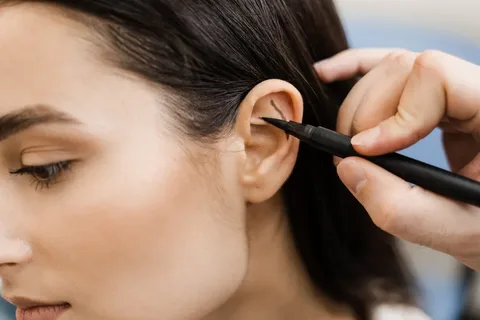
The ears are an important part of the face, and their natural shape can influence facial proportions. Some individuals have ears that extend outward, while others notice differences in cartilage structure, folds, or positioning. These concerns may make people feel less comfortable with their appearance, particularly when viewed from the side. Ear Reshaping in Islamabad is a cosmetic surgical option for individuals who want to improve selected ear-shape concerns.
At Enfield Royal Clinic in Islamabad, people interested in ear correction can explore treatment possibilities and learn about the procedure through a professional consultation. Understanding the surgical approach, preparation, recovery, and potential risks helps patients make informed decisions.
What Is Ear Correction Surgery?
Ear correction surgery, commonly called otoplasty, is a procedure that modifies the shape or position of the external ears. It is frequently performed to address prominent ears, but it may also correct certain cartilage irregularities.
The surgeon works with the cartilage beneath the skin to create an appropriate ear contour. Depending on the patient’s anatomy, the procedure may involve reshaping cartilage, improving natural folds, or repositioning the ears closer to the head.
The aim of Ear Reshaping in Islamabad is to improve the appearance of the ears without creating an unnatural result. Each treatment plan should be based on the patient’s individual structure and cosmetic concerns.
What Are the Common Reasons for Ear Correction?
People consider otoplasty for different reasons. Some have prominent ears since childhood, while others are concerned about uneven ear shapes or changes caused by an injury.
Common concerns include:
-
Excessive ear projection: Ears that extend noticeably away from the head.
-
Uneven ear appearance: Differences in the shape or position of both ears.
-
Cartilage fold concerns: Less-defined or unusual natural folds.
-
Irregular contours: Selected structural differences affecting the ear profile.
-
Injury-related changes: Certain deformities that may be suitable for surgical correction.
Not every ear concern requires the same treatment. A qualified surgeon must examine the ear structure before recommending surgery.
How Does Ear Reshaping Improve the Ear Profile?
The profile of the ears depends on cartilage shape, natural folds, and the angle between the ears and the head. When these features create excessive projection, the ears may appear more prominent.
Otoplasty may improve this appearance by adjusting cartilage or changing the position of the ears. The surgeon considers the patient’s facial proportions when planning the correction.
People exploring Ear Reshaping in Islamabad should understand that the goal is generally a natural-looking improvement rather than complete transformation.
Who Can Consider This Procedure?
Otoplasty may be suitable for adults and children whose ears have developed sufficiently. Children should be assessed by an appropriately qualified surgeon to determine the suitable age and timing.
Adults may also consider ear correction if they have persistent cosmetic concerns involving prominent ears, asymmetry, or cartilage shape.
A potential candidate should generally be in good overall health, understand the surgical process, and have realistic expectations. Patients should disclose previous operations, allergies, medications, and relevant medical conditions during their assessment.
Why Is a Detailed Consultation Necessary?
A consultation helps the surgeon understand the patient’s concerns and determine whether the desired correction is achievable.
During the examination, both ears are assessed for their shape, position, projection, and cartilage structure. The surgeon may also discuss medical history and review factors that could influence surgery or recovery.
At Enfield Royal Clinic in Islamabad, patients considering ear correction should ask about the treating surgeon’s qualifications, experience with otoplasty, surgical facilities, and postoperative arrangements.
The consultation is also an opportunity to discuss expected results and understand the limitations of the procedure.
What Happens During Ear Reshaping Surgery?
Otoplasty is generally performed under local or general anaesthesia, depending on the patient’s age and surgical requirements.
A commonly used technique involves an incision behind the ear. Through this incision, the surgeon accesses the cartilage and makes the required adjustments. Cartilage may be reshaped, folded, or repositioned using appropriate surgical techniques. Sutures may be placed to maintain the new contour.
The incision is closed after the correction, and a protective dressing may be applied.
The exact method depends on the patient’s anatomy. Ear Reshaping in Islamabad should involve an individualized surgical plan and a clear explanation of the procedure before treatment begins.
How Can You Prepare for the Procedure?
Preparation starts with sharing accurate medical information. Patients should inform the surgeon about medications, supplements, allergies, previous surgeries, and existing health conditions.
The surgical team may provide instructions about eating, drinking, smoking, and medication before anaesthesia. Patients should follow these instructions carefully and arrange transportation if necessary.
They should also understand the recovery requirements and plan time away from activities that could place pressure on the ears.
What Should You Expect After Surgery?
Some swelling, bruising, tenderness, and mild discomfort are common after otoplasty. These effects usually improve as the tissues heal.
A dressing may be used to protect the ears, and the surgeon may recommend a supportive headband during the initial recovery period.
Patients should avoid sleeping directly on the treated ears, pulling the cartilage, or participating in activities that could cause injury. Follow-up visits allow the surgeon to monitor healing and provide additional instructions.
Tips for Supporting Proper Healing
Postoperative care is an important part of the treatment process. Following medical advice can help protect the surgical area and reduce avoidable complications.
-
Keep the surgical area clean as instructed.
-
Avoid unnecessary pressure on the ears.
-
Wear prescribed support for the recommended duration.
-
Take medication according to medical instructions.
-
Avoid strenuous activities until medically cleared.
-
Attend all scheduled follow-up appointments.
Patients should contact their surgical team if they experience increasing pain, fever, unusual discharge, or significant redness.
How Long Do Ear Reshaping Results Last?
Otoplasty is intended to create a lasting change in ear shape or position. However, results vary according to cartilage structure, surgical technique, and individual healing.
The ears may initially appear swollen, so the final appearance takes time to develop. Natural asymmetry may remain, and some patients may require further correction.
A surgeon should explain the expected outcome and possible long-term limitations before treatment.
What Are the Possible Risks?
Every surgical procedure carries potential complications. Ear reshaping may involve infection, bleeding, scarring, altered sensation, cartilage irregularities, asymmetry, or dissatisfaction with the final appearance.
Patients should discuss these risks and understand the available arrangements for managing complications. Choosing an appropriately qualified surgeon and following postoperative instructions are important safety considerations.
Choosing Enfield Royal Clinic in Islamabad
Selecting a clinic for cosmetic surgery requires careful research. Patients should verify the qualifications of the surgeon who will perform the procedure and ask about surgical experience, facility standards, anaesthesia, and follow-up care.
Enfield Royal Clinic in Islamabad can be considered by individuals researching cosmetic ear correction. Before making a decision, request clear information about the recommended technique, possible complications, and postoperative support.
Final Thoughts
Ear correction may be an option for people who want to improve prominent ears, uneven positioning, or selected cartilage irregularities. A personalized assessment helps determine whether otoplasty is suitable and what improvements may realistically be achieved.