Lawn Insects Control: A Complete Guide to Protecting Your Healthy Green Lawn
A healthy green lawn makes your outdoor space look beautiful and creates a comfortable environment for your family. However, different insects can damage grass, weaken roots, and affect the overall appearance of your garden. Some pests feed on grass blades, while others attack roots beneath the soil. If these problems are not identified early, they can create brown patches, thinning grass, and large damaged areas. Proper Lawn Insects Control helps protect your garden and maintain healthy grass throughout the growing season. Understanding common lawn pests, recognizing early warning signs, and choosing suitable treatment methods can make a big difference. With regular inspections and proper maintenance, homeowners can reduce insect damage and keep their lawns looking fresh and attractive.
Why Is Lawn Insect Control Important?
Insects are a natural part of the outdoor environment, but certain species can become harmful when their populations grow too large. Some insects feed on grass leaves, while others damage roots and prevent plants from absorbing water and nutrients properly. Lawn Inseccts in Fruitland Park can cause grass to turn yellow, develop dry patches, or become loose in the soil. In severe cases, damaged areas may spread across the entire garden. Regular inspection helps identify insect activity before it becomes a major problem. Proper treatment also protects the appearance and strength of your lawn. Taking preventive steps can reduce unnecessary expenses and help maintain a healthier outdoor environment for your family.
Common Insects That Damage Lawns
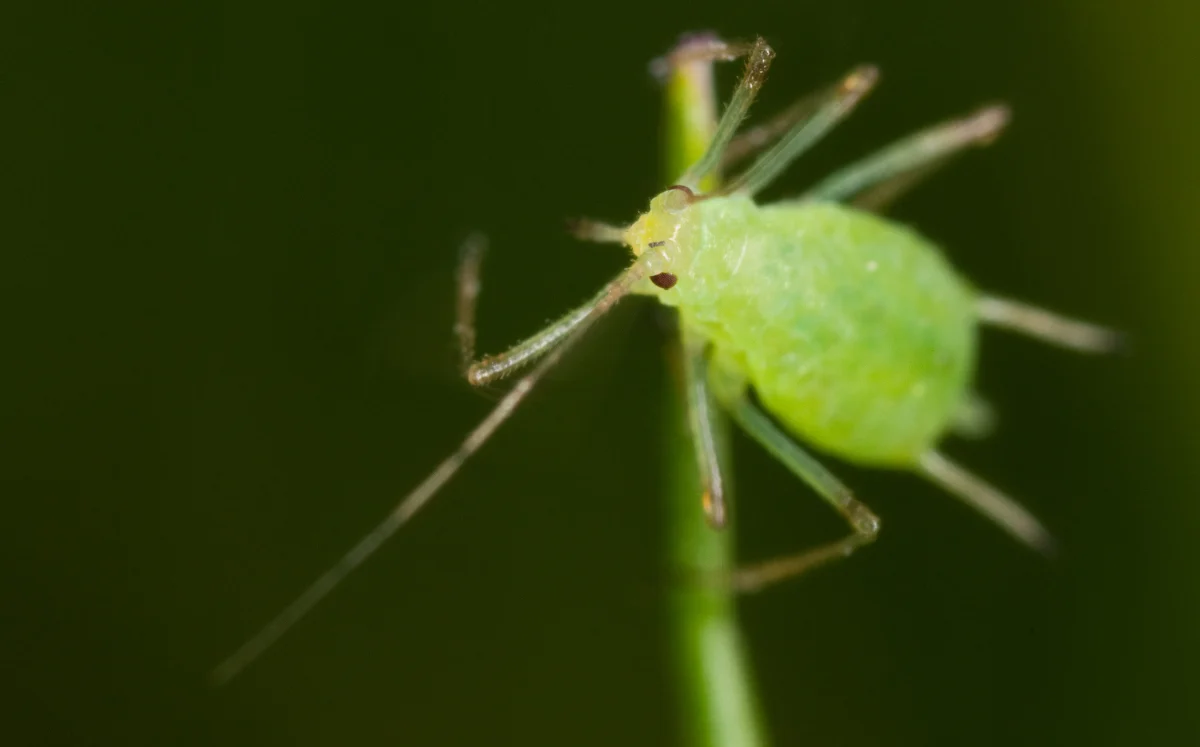
Different insects can affect lawns depending on the grass variety, climate, and surrounding environment. Grubs are among the common lawn pests because they feed on grass roots beneath the soil. Chinch bugs damage grass by feeding on plant juices, often creating dry and discolored patches. Armyworms can consume grass blades quickly, especially when their populations increase. Sod webworms also feed on grass leaves and may leave damaged areas behind. Ants are not always harmful to lawns, but large colonies can create uneven soil surfaces and unwanted mounds. Identifying the insect correctly is important because different pests require different treatments. Understanding their behavior helps homeowners select more effective solutions.
Signs Your Lawn Has an Insect Problem
Recognizing insect damage early can prevent serious lawn problems. One common sign is the appearance of yellow or brown patches that continue spreading despite regular watering. You may also notice grass becoming weak or separating easily from the soil because insects have damaged the roots. Small holes, unusual insect activity, and increased bird activity can sometimes indicate pests beneath the surface. Some insects leave visible feeding marks on grass blades, while others remain hidden in the soil. Check your lawn regularly, especially during active growing seasons. If the damage continues to increase, consider contacting a lawn care professional. Early identification makes treatment easier and helps protect healthy grass.
Natural Methods to Control Lawn Insects
Natural pest management methods can help reduce certain insect problems while supporting a balanced garden environment. Keeping your lawn clean and removing unnecessary debris can reduce hiding places for some pests. Proper watering and mowing also help grass remain healthy and better tolerate insect damage. Some beneficial insects and birds naturally feed on harmful lawn pests, so maintaining a healthy garden ecosystem can be useful. Neem-based products and other suitable natural treatments may help manage certain insects when used according to their labels. However, natural methods are not equally effective against every pest. Always identify the insect first and choose a treatment that is suitable for the specific problem.
Choosing the Right Lawn Insect Treatment
Selecting the right treatment depends on the type of insect, the level of damage, and the condition of your grass. Some products are designed for surface-feeding insects, while others target pests living beneath the soil. Granular treatments are commonly applied using a spreader, while liquid products may be distributed with suitable spraying equipment. Biological options can also be useful for managing specific pests. Before purchasing any treatment, read the product label and confirm that it is suitable for your grass and the insect you are targeting. Avoid applying chemicals without understanding their purpose. Correct identification and careful product selection help improve results while reducing unnecessary environmental risks.
Safe Application of Insect Control Products
Safety should always be a priority when applying lawn treatments. Read the manufacturer’s instructions carefully and follow the recommended application rate. Wear appropriate protective clothing, gloves, and other equipment when required by the label. Keep children and pets away from treated areas for the period specified on the product instructions. Avoid applying products near drains, ponds, or other water sources unless the label specifically permits it. Check weather conditions before treatment because strong winds and heavy rainfall can affect application results. Never mix different products unless the manufacturer clearly allows it. Careful application helps protect your family, pets, grass, and surrounding environment.
Preventing Lawn Insect Problems Through Maintenance
Regular lawn maintenance can help reduce the conditions that allow some pest problems to develop. Start by mowing grass at the recommended height for its variety. Avoid cutting it too short because stressed grass may become more vulnerable to damage. Water according to soil conditions and weather instead of following an unnecessary fixed schedule. Proper drainage is also important because excessively wet or poorly maintained areas may encourage certain pest problems. Remove thick layers of debris and check damaged areas regularly. Balanced fertilization can support healthy grass, but excessive fertilizer should be avoided. A well-maintained lawn is generally better able to tolerate environmental stress and recover from minor insect damage.
Benefits of Professional Lawn Insect Control Services
Professional lawn care services can be helpful when insect problems are difficult to identify or manage. Experienced specialists understand common lawn pests and know how to inspect affected areas properly. They can identify the source of damage, recommend suitable treatments, and explain preventive measures. Some providers also offer complete maintenance programs that include fertilization, weed management, mowing, and pest inspections. Professional equipment can help apply treatments more evenly and efficiently. Before hiring a company, check its experience, customer reviews, available services, and safety practices. A dependable provider should explain the treatment process and recommend solutions based on the actual insect problem rather than using unnecessary products.
How to Maintain a Healthy Lawn After Treatment
After treating an insect problem, continue monitoring your lawn to make sure the damage does not return. Follow the watering instructions provided with the treatment and avoid disturbing affected areas unnecessarily. Remove dead grass when appropriate and repair empty patches with suitable grass seed once conditions are favorable. Maintain proper mowing height and avoid applying excessive fertilizer. Check the lawn regularly for new signs of insect activity, especially around previously damaged areas. Some treatments may require time before visible improvements appear, so follow the recommended waiting period before applying additional products. Consistent maintenance supports grass recovery and helps prevent future pest problems.
Keep Your Lawn Healthy with Proper Insect Management
A beautiful lawn requires more than regular watering and mowing. Protecting grass from harmful insects is also important for maintaining strong roots and healthy growth. Regular inspections, correct pest identification, suitable treatments, and preventive maintenance can help reduce insect damage. Avoid using random chemicals because the wrong treatment may harm beneficial insects, grass, and the surrounding environment. If the problem becomes difficult to manage, professional assistance can help identify the cause and recommend an appropriate solution. Effective Lawn Insects Control supports healthier grass, improves the appearance of your property, and helps create a more enjoyable outdoor space for your family throughout the year.
Final Thoughts: Protecting your lawn from insects starts with understanding the problem and taking action at the right time. Inspect your grass regularly, maintain healthy soil, and choose safe and suitable treatments. With consistent attention, you can enjoy a stronger and more attractive lawn.