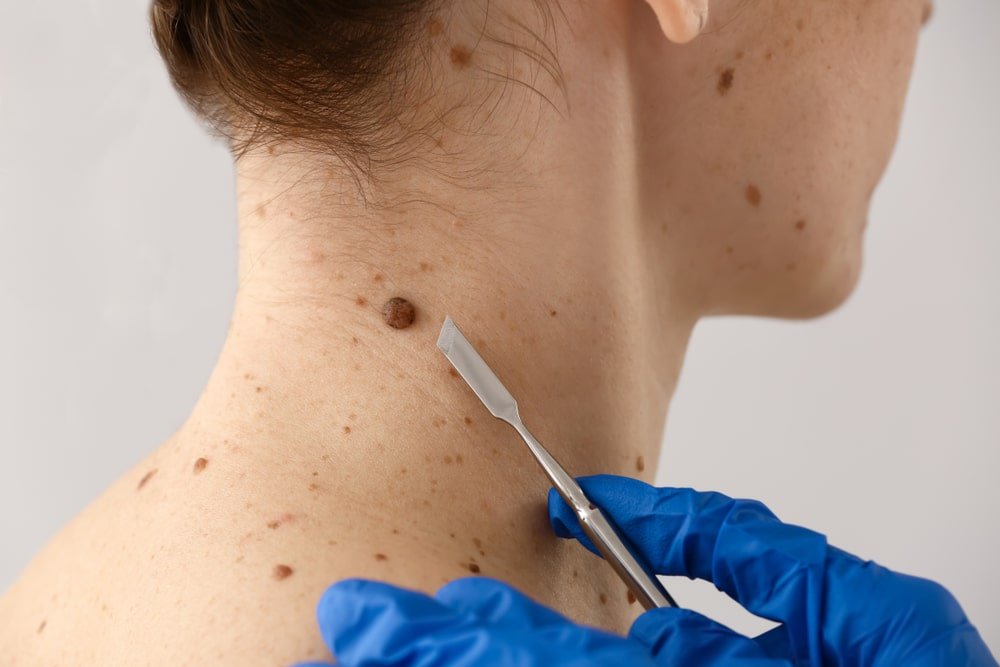
Moles are common skin features that can vary in colour, size, shape and texture. While many are harmless, some people prefer to reduce the appearance of visible moles or address raised growths that cause irritation. Non-surgical approaches may be suitable for selected skin lesions, but the right option depends on an appropriate assessment. At Glamorous Clinic Dubai, individuals can discuss their skin concerns and explore suitable Mole Removal in Dubai & Abu Dhabi options with attention to both appearance and skin health.
Understanding Non-Surgical Mole Removal
Non-surgical mole removal generally refers to techniques that do not involve conventional surgical excision with stitches. Depending on the type of lesion, certain superficial treatments may be considered to address selected cosmetic concerns.
However, not every mole is suitable for a non-surgical procedure. Some lesions require deeper removal or laboratory examination to establish their nature. A mole that has changed in appearance should always be medically assessed before any cosmetic treatment is considered.
The main objective is to select an appropriate approach based on the mole’s characteristics rather than choosing a method simply because it is non-surgical.
Common Non-Surgical Treatment Options
Different methods may be discussed depending on the appearance, depth and medical assessment of the skin lesion.
Laser-Based Treatment
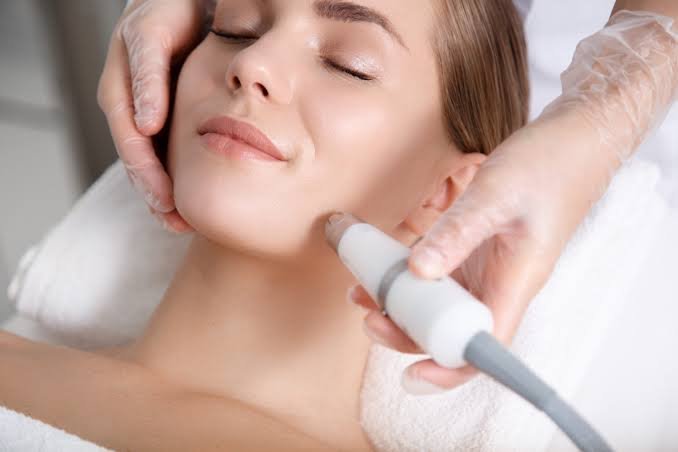
Laser treatment uses focused light energy to target selected skin concerns. It may be considered for certain superficial pigmented lesions when a professional has established that the treatment is appropriate.
Laser treatment is not suitable for every mole. It should not be used to treat a suspicious lesion without proper medical evaluation because it may destroy tissue that could otherwise be needed for laboratory examination.
Before proceeding, individuals should understand the expected results, possible pigmentation changes and the likelihood of needing additional care.
Radiofrequency-Based Procedures
Radiofrequency techniques use controlled energy to treat selected skin growths. Depending on the lesion and the specific device, this approach may be considered for certain raised or superficial concerns.
Suitability depends on the type and depth of the growth. Radiofrequency treatment is not automatically appropriate for pigmented or suspicious moles, and medical assessment should come first.
Shave Removal
Shave removal is a technique in which a specialised instrument removes a selected raised skin growth at or near the skin surface. Although it does not usually require the same type of incision and closure as surgical excision, it is still a procedure involving tissue removal.
It may be suitable for certain lesions after evaluation. A deeper sample or different removal method may be necessary when medical investigation is required.
Why Skin Assessment Matters Before Treatment
A professional skin assessment helps determine whether a mole is suitable for a cosmetic approach or needs further investigation. The assessment may consider:
-
The mole’s size, shape and colour.
-
Whether its borders are regular or irregular.
-
How long it has been present.
-
Any recent changes in appearance.
-
Symptoms such as itching, pain or bleeding.
-
Its location and depth.
-
Whether tissue examination may be needed.
If a mole appears suspicious, medical evaluation takes priority over non-surgical cosmetic removal. A method that preserves tissue for laboratory examination may be recommended when appropriate.
Signs That a Mole Needs Medical Evaluation
Changes in a mole should not be ignored. The ABCDE approach can help identify features that deserve professional attention:
-
Asymmetry: One half looks different from the other.
-
Border: The edges appear uneven, blurred or irregular.
-
Colour: The mole develops multiple shades or a new colour.
-
Diameter: It becomes larger, although concerning lesions can be smaller.
-
Evolution: Its size, shape, colour or sensation changes over time.
Bleeding, persistent itching, tenderness or pain are also reasons to arrange an assessment. These signs do not automatically mean that a mole is dangerous, but they should be investigated before cosmetic treatment.
Benefits and Limitations of Non-Surgical Approaches
For an appropriately selected lesion, a non-surgical method may offer an alternative to conventional excision. Some techniques may involve less extensive wound care, depending on the treatment and the area involved.
Potential considerations include:
-
The possibility of addressing selected superficial or raised skin concerns.
-
Different recovery requirements depending on the technique.
-
Possible temporary redness or sensitivity.
-
The risk of pigmentation changes or scarring.
-
The possibility that a lesion may need additional treatment.
-
Limitations when tissue diagnosis is required.
Non-surgical does not mean risk-free. The expected cosmetic outcome and potential complications should be discussed before making a decision.
Preparing for a Mole Removal Procedure
Before treatment, share relevant medical and skin history with the professional conducting the assessment. Mention medications, allergies, previous skin procedures and any history of unusual healing.
It is also helpful to ask:
-
Why is this particular technique recommended?
-
Is the mole medically suitable for cosmetic treatment?
-
Will tissue examination be necessary?
-
What results can reasonably be expected?
-
What are the possible risks?
-
What aftercare will be required?
These questions can help establish realistic expectations and support informed decision-making.
Recovery and Aftercare
Recovery depends on the method used, the size and location of the treated area, and individual skin response. Some procedures may cause temporary redness, tenderness or a small wound.
General aftercare may include:
-
Keep the treated area clean as instructed.
-
Avoid scratching, rubbing or picking the skin.
-
Follow directions for wound care and dressings.
-
Limit friction around the treated area.
-
Protect healed skin from direct sunlight.
-
Attend follow-up appointments if recommended.
Possible complications include infection, bleeding, scarring, pigmentation changes and regrowth. Seek professional advice if you experience increasing pain, spreading redness, pus, fever or persistent bleeding.
Personalised Skin Care at Glamorous Clinic Dubai
Selecting a mole removal method requires attention to the characteristics of each lesion. Glamorous Clinic Dubai provides an opportunity to discuss individual skin concerns and understand suitable treatment considerations.
Individuals exploring Mole Removal in Dubai & Abu Dhabi should prioritise a proper assessment before choosing a non-surgical option. The most appropriate approach is one that considers medical suitability, cosmetic expectations and the potential need for further investigation.
Frequently Asked Questions
Can all moles be removed without surgery?
No. Some moles may be suitable for selected non-surgical approaches, while others require surgical removal or further medical investigation.
Is laser treatment suitable for suspicious moles?
No. A suspicious or changing mole should be medically assessed first. Laser treatment should not replace appropriate diagnostic evaluation or tissue examination.
Does non-surgical mole removal leave scars?
Scarring and pigmentation changes are possible, even with non-surgical approaches. The outcome depends on the technique, treated area and individual healing response.
How long does recovery take?
Recovery varies according to the method and the skin area treated. Follow the specific aftercare instructions provided by the treating professional.
Should I remove a mole that has started changing?
Arrange a medical assessment before considering removal. Changes in size, shape, colour, borders or sensation should be evaluated.
Explore Suitable Mole Removal Options
Non-surgical mole removal may be an option for selected skin concerns, but treatment suitability must always be established through proper assessment. Understanding the available techniques, their limitations and possible outcomes can help you make a more informed choice. Contact Glamorous Clinic Dubai to discuss your skin concerns and learn about appropriate care options.