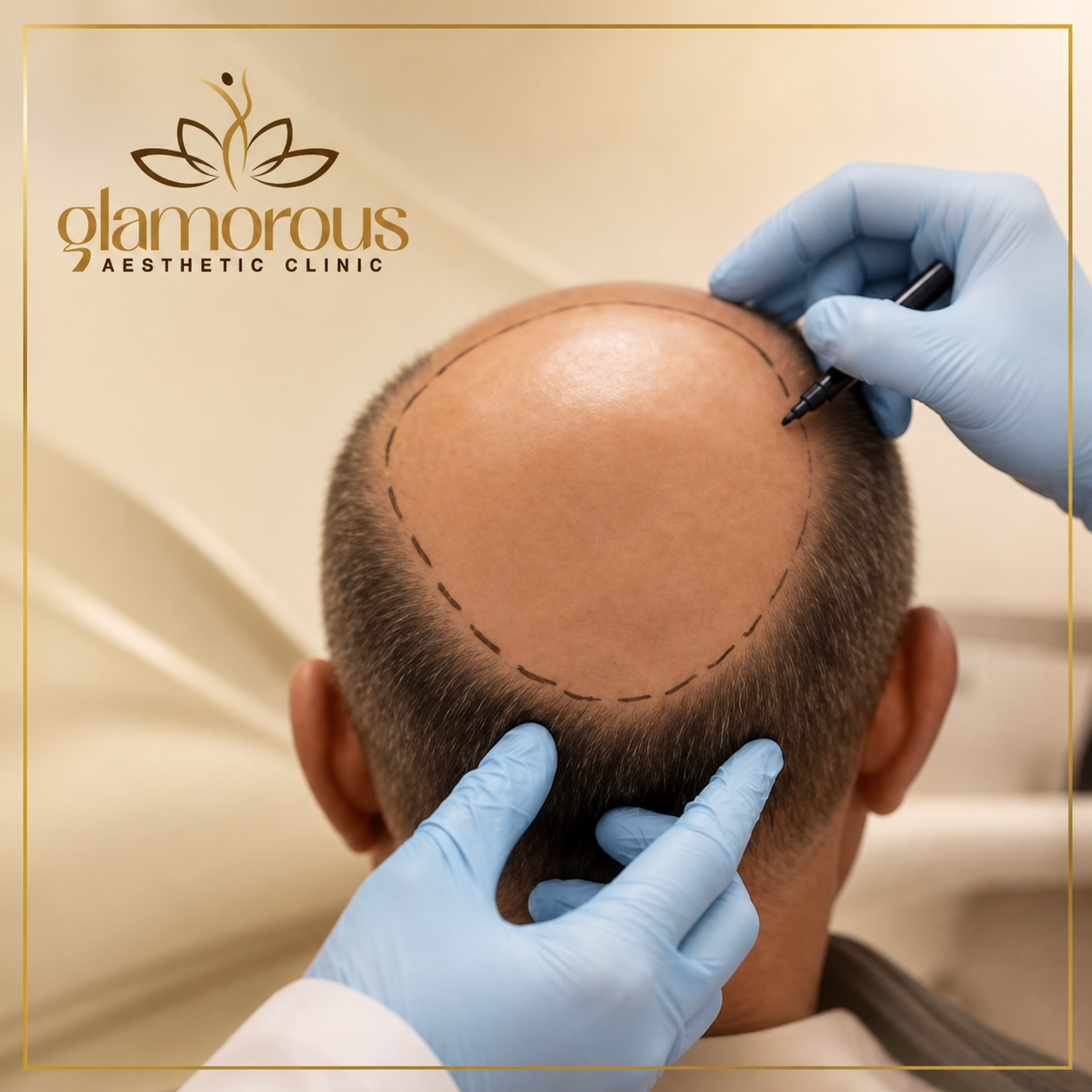
Hair loss rarely arrives with a single dramatic moment. It builds quietly, through a wider parting, a retreating hairline, or a crown that photographs reveal before the mirror does. Modern restoration has matured alongside that reality, shifting from aggressive volume-based surgery to careful, individualized planning. Patients researching an FUE Hair Transplant in Islamabad now expect a complete care pathway that covers diagnosis, surgical technique, recovery, and long-term hair health rather than a single procedure. This article explains how follicular unit extraction works, who it suits, what the full care journey involves, and how to judge the quality of a provider.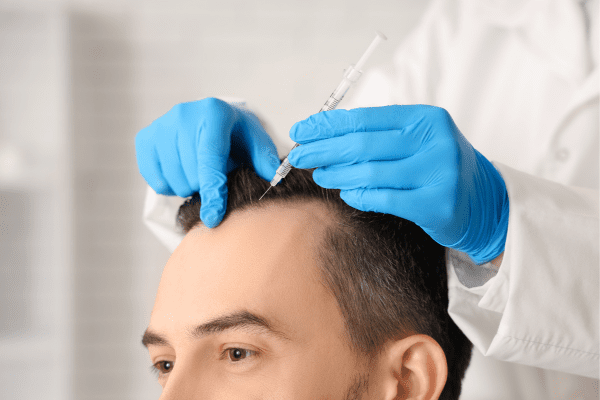
Understanding FUE Hair Restoration
Follicular unit extraction is a technique in which individual follicular units, each containing one to four hairs, are harvested one at a time from a permanent donor area, usually the back and sides of the scalp. These units are then implanted into thinning or bald areas using fine, precisely angled recipient sites.Donor hair is genetically resistant to the hormone that causes pattern baldness, which is why transplanted hair tends to keep growing in its new location. The method leaves tiny dot-like marks instead of a linear scar, allowing patients to wear short hairstyles comfortably.
Why Comprehensive Care Matters?
A successful result depends on far more than the hours spent in the operating chair. Accurate diagnosis, thoughtful design, careful graft handling, and structured aftercare all influence how natural and durable the outcome becomes.Comprehensive care also protects the future. Hair loss often continues after surgery, so a complete plan considers how the surrounding native hair will behave over the coming years. Without this foresight, a transplant can look unbalanced as untreated areas continue to thin.
The First Step: Diagnosis and Consultation
Not all hair loss is permanent pattern baldness, and not all of it responds to surgery. A thorough consultation begins with a detailed history covering family patterns, medications, recent illness, stress, diet, and previous treatments.The specialist examines the scalp, often using magnified imaging to assess hair thickness, density, and follicle health. Blood tests may be recommended to rule out thyroid disorders, iron deficiency, vitamin deficiencies, or hormonal causes. Conditions such as alopecia areata, scarring alopecia, or stress-related shedding require different management, and surgery may be unsuitable until they are controlled.
Assessing Donor Supply and Planning the Design
Donor hair is a limited, permanent resource, so planning must be strategic. The surgeon measures donor density, evaluates hair caliber and texture, and estimates how many grafts can be safely harvested without leaving a thinned or patchy donor area.The hairline design follows facial proportions, age, and expected future loss. A natural hairline is soft and slightly irregular, built with single-hair grafts at the front and denser multi-hair grafts behind. Directions and angles are matched to natural growth patterns, particularly at the temples and crown.
Who Is a Suitable Candidate?
Good candidates typically have stable, healthy donor hair, a confirmed diagnosis of permanent hair loss, good general health, and realistic expectations. Adults whose pattern of loss has become predictable usually achieve more reliable results than very young patients whose hair loss is still evolving.Women with localized thinning, people with scarring from injury or previous surgery, and those seeking beard or eyebrow restoration may also benefit. Candidates with very limited donor hair, active scalp disease, uncontrolled medical conditions, or unrealistic goals may need alternative approaches first.
The Procedure Step by Step
On the day of treatment, the scalp is cleaned and numbed with local anesthesia, so discomfort remains minimal. The donor area is usually trimmed, and follicular units are extracted individually with a fine punch tool. Extraction is followed by careful sorting under magnification, with grafts kept in a protective solution to maintain their viability.
Technology and Technique Considerations
Some clinics use motorized or robotic-assisted systems to support extraction, while others rely on manual techniques. Technology can improve consistency, but the surgeon’s judgment and the team’s skill remain decisive. The most advanced tool in untrained hands is no better than a basic tool used expertly.Implantation may be performed using channels created in advance or using implanter pens that place grafts directly. The best choice depends on the patient’s anatomy, the area being treated, and the surgeon’s experience.
Recovery Timeline
The first few days bring mild redness, swelling, and small scabs around the recipient area. The forehead may swell slightly, which is temporary and usually resolves within about a week. Most people return to desk work within several days, though strenuous activity should wait.Between the second and fourth week, transplanted hairs commonly shed, a normal phase known as shock loss. The follicles remain alive beneath the skin and enter a resting phase before producing new growth.
The Growth Journey Over Time
New hair typically begins to appear around three to four months, starting fine and gradually thickening. By six to nine months, patients usually see noticeable improvement, and final results often mature between twelve and eighteen months.Patience is essential, because hair grows only about a centimeter per month. Photographs taken at regular intervals help track progress objectively and reduce anxiety during the slower phases.
Aftercare That Protects Your Results
Following post-procedure guidance directly influences graft survival. Avoid touching or scratching the recipient area, and sleep with your head elevated for the first few nights. Wash gently according to the instructions provided, and protect the scalp from direct sun, dust, and harsh products during early healing.Avoid heavy exercise, swimming, saunas, and smoking until your surgeon approves. A balanced diet rich in protein, iron, zinc, and vitamins supports healing and healthy growth, and good hydration and sleep contribute as well.
Supporting Treatments for Long-Term Hair Health
Transplanted hair is permanent, but native hair continues to face the effects of pattern loss. Many specialists recommend medical therapies such as minoxidil or doctor-prescribed oral treatments to slow progression and strengthen existing hair.Platelet-rich plasma therapy, which uses concentrated growth factors from your own blood, may support scalp health and follicle activity. These complementary treatments help maintain density across the entire scalp, so the transplanted area blends naturally with the rest.
Possible Risks and Limitations
FUE is generally safe when performed by qualified professionals, but no procedure is risk free. Potential effects include swelling, itching, temporary numbness, folliculitis, infection, and uneven growth. Poor technique can cause visible donor thinning, unnatural hairlines, or low graft survival.The procedure cannot create unlimited hair, restore the density of youth in advanced baldness, or stop ongoing hair loss by itself. Honest practitioners explain these limits clearly and avoid promising specific graft counts or guaranteed density.
Alternatives to Consider
Not everyone needs surgery. Medical treatments, platelet-rich plasma, low-level light therapy, and scalp micropigmentation can all improve the appearance of thinning hair in selected cases. Strip-based follicular unit transplantation remains an option for patients who need a large number of grafts in one session and plan to keep longer hair. A reliable specialist presents the full range of options and recommends the one that suits your situation.
Choosing the Right Clinic
Hair restoration is a surgical procedure, so standards matter. Look for qualified doctors, sterile facilities, trained support staff, and a surgeon who personally oversees the critical steps of design and implantation. Ask to see realistic before-and-after photographs taken in consistent lighting, and confirm what follow-up care is included.
Be cautious of unusually low prices, pressure to book quickly, guaranteed results, or clinics that do not examine your scalp before quoting. A provider that welcomes questions and explains each stage openly is usually one that stands behind its work.
Final Thoughts
Comprehensive FUE care begins long before the first graft is harvested and continues well after the last one is placed. Accurate diagnosis, careful donor management, artistic hairline design, skilled implantation, disciplined aftercare, and supportive medical therapy together determine whether a result looks natural and lasts. Approach the process with realistic expectations, patience for the growth timeline, and a commitment to follow professional guidance.For anyone considering FUE Hair Transplant in Islamabad, the best first step is a professional consultation that offers honest guidance and a personalized plan. Contact us at our website https://www.glamorousclinic.com.pk/ to begin that conversation and take a confident step toward restoring natural-looking hair.