Hair loss can affect people of different ages and may gradually change the appearance, thickness, and overall volume of their hair. Many individuals look for treatments that can support natural hair growth without undergoing invasive surgery. Platelet-rich plasma (PRP) therapy has become a popular option because it uses components from the patient’s own blood to support scalp and follicle health. People exploring the Best PRP Hair Treatment in Dubai often want to understand its benefits, how it works, and whether it can help improve hair density. PRP is a minimally invasive procedure that concentrates platelets containing growth factors and injects them into selected scalp areas. Although results vary, it may offer several advantages for people experiencing certain types of hair thinning.
Understanding How PRP Hair Therapy Works
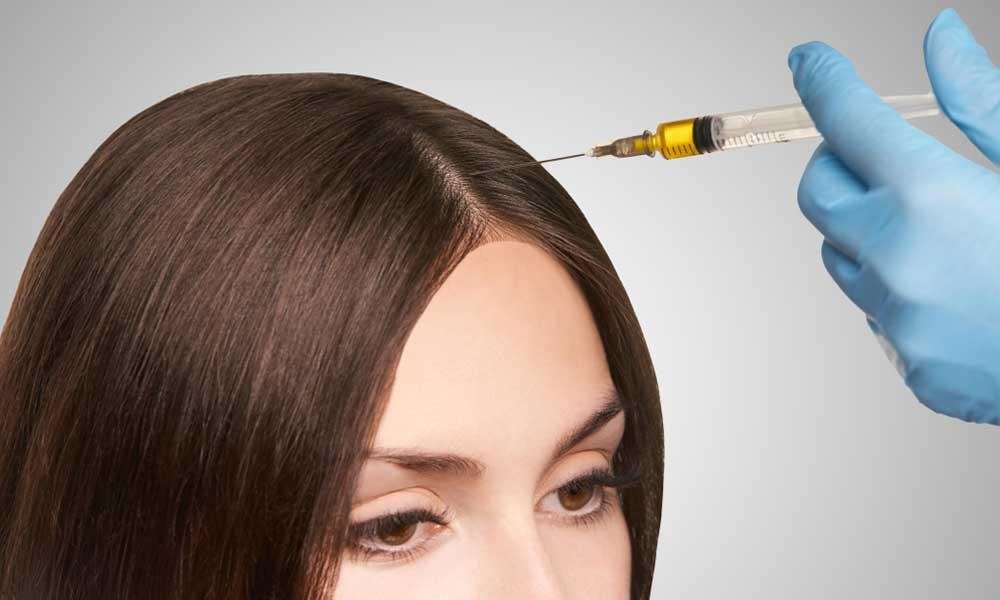
PRP hair therapy involves collecting a small blood sample and processing it to separate platelet-rich plasma from other blood components. The concentrated plasma contains platelets and proteins involved in the body’s natural repair processes. Once prepared, it is injected into areas of the scalp where hair thinning or reduced density is noticeable. These growth factors may influence cellular activity around existing follicles and support a healthier environment for hair growth. The procedure does not involve transplanting hair or creating new follicles. Instead, it aims to improve the activity of follicles that remain capable of producing hair. This makes PRP a potential option for selected individuals with early or moderate hair thinning.
Supports Natural Hair Growth
One of the main potential advantages of PRP therapy is its ability to support natural hair growth. Platelets release growth factors that participate in tissue repair and cellular signalling. Researchers have investigated whether these biological processes can help support hair follicle activity and improve the growth environment within the scalp. Some patients experience improvements in hair density and thickness following a course of treatment. However, PRP does not guarantee new hair growth, and its effectiveness depends on the underlying cause of hair loss and the condition of existing follicles. It is generally more suitable for selected patients with active follicles than for individuals with completely bald areas.
May Improve Hair Thickness and Density
Hair thinning can make the scalp more visible and reduce the overall appearance of hair volume. PRP therapy may help improve hair density in some individuals by supporting existing follicles. Patients with androgenetic alopecia, commonly known as male or female pattern hair loss, are among the groups most frequently studied in PRP research. Some clinical studies have reported improvements in hair count and thickness after treatment. These changes usually develop gradually rather than immediately after an injection. The degree of improvement varies, and patients should understand that PRP may not restore their original hair density completely.
Uses the Patient’s Own Blood
Another advantage of PRP therapy is that the treatment uses blood collected from the patient. A small sample is processed to obtain concentrated plasma, which is then administered into the scalp. Since the material comes from the individual’s own body, the procedure avoids the use of donor-derived plasma. This can reduce concerns associated with donor material, although it does not eliminate all treatment risks. Proper blood collection, preparation, and sterile injection techniques remain essential. Patients with certain blood disorders, platelet abnormalities, or medical conditions may not be suitable candidates and should undergo an assessment before treatment.
May Help Reduce Excessive Hair Shedding
Another potential benefit of PRP therapy is its ability to help reduce hair shedding in some individuals. Excessive shedding can occur when hair follicles are affected by genetic factors, hormonal changes, or other conditions. PRP may help support follicle activity and improve the environment surrounding existing hair roots. Some patients report reduced shedding after completing an initial treatment course. However, the response depends on the reason behind the hair loss. PRP is not a guaranteed solution for shedding caused by nutritional deficiencies, thyroid disorders, or untreated medical conditions. Identifying the underlying cause is important before beginning treatment.
Minimally Invasive Hair Restoration Option
PRP offers a non-surgical approach to managing selected types of hair thinning. Unlike hair transplantation, it does not involve removing follicles from one area and implanting them into another. The treatment uses small injections to deliver prepared plasma into targeted scalp regions. There are no surgical incisions or stitches, and patients generally do not require an extended recovery period. This may make PRP appealing to individuals who prefer a less invasive procedure. Although temporary tenderness, redness, swelling, or bruising can occur, most reported side effects are mild and short-lived.
Uses Naturally Obtained Growth Factors
PRP contains growth factors released by platelets, which play important roles in tissue repair and cellular communication. These biological substances have attracted attention in hair restoration research because they may influence processes associated with follicle activity. Since the plasma is obtained from the patient’s own blood, the treatment uses naturally occurring components rather than synthetic hair growth material. However, the presence of growth factors does not guarantee successful hair regrowth. Their concentration and activity can vary between individuals, and preparation methods differ between clinics. Appropriate processing and professional administration are important parts of the procedure.
Suitable for Both Men and Women
Hair thinning affects both men and women, although the patterns and underlying causes may differ. Men commonly experience recession around the temples and thinning at the crown, while women may notice reduced density around the central scalp or a widening parting. PRP has been investigated for both male and female pattern hair loss. Individuals with early or moderate thinning and existing responsive follicles may be considered for treatment. A specialist should first identify the type of hair loss and determine whether PRP is appropriate. The treatment plan may differ according to the patient’s age, medical history, and scalp condition.
Can Be Combined With Other Hair Loss Treatments
PRP may also be incorporated into a broader hair restoration programme when clinically appropriate. Some specialists recommend combining it with established treatments such as topical minoxidil to address hair loss through different approaches. Research has explored whether adding PRP to minoxidil can improve hair density compared with using minoxidil alone, although the certainty of evidence remains limited. Patients undergoing hair transplantation may also discuss whether PRP has a role in their overall treatment plan. Combining procedures should always be based on medical assessment rather than assuming that more treatments will automatically produce better results.
Requires Minimal Downtime
Many patients prefer treatments that do not significantly interrupt their work or daily responsibilities. PRP generally involves an outpatient appointment, and most individuals can return to normal activities shortly afterward. Mild scalp sensitivity or redness may occur, but these effects usually settle without requiring an extended recovery period. The practitioner may advise patients to avoid strenuous exercise, excessive heat, or washing their hair for a specified period after treatment. Following these instructions helps support proper aftercare. Patients should remember that minimal downtime does not mean the procedure is completely risk-free.
May Improve Confidence and Hair Appearance
Hair thinning can affect self-image and make some individuals feel less confident about their appearance. When PRP produces improvements in hair density or reduces noticeable shedding, patients may feel more comfortable with their overall hair appearance. Even modest improvements can make a difference to people who are concerned about visible scalp areas or reduced hair volume. However, expectations should remain realistic because PRP cannot guarantee thick, full hair or reverse every form of hair loss. Discussing achievable outcomes before treatment can help patients make informed decisions and avoid disappointment.
Who Can Benefit Most From PRP Hair Therapy?
PRP may be most beneficial for selected individuals experiencing early or moderate androgenetic alopecia, where hair follicles remain active but produce thinner strands. Both men and women can be assessed for treatment. People with recent changes in hair density may also benefit from an examination to identify the underlying cause. However, individuals with completely bald areas, scarring alopecia, active scalp infections, or certain blood disorders may not be suitable candidates. A specialist should review the patient’s medical history, examine the scalp, and discuss alternative options where necessary. PRP should not replace appropriate medical treatment for an underlying health condition.
How Long Does It Take to Experience the Benefits?
The benefits of PRP develop gradually because hair growth follows a natural cycle. Some patients may notice reduced shedding within the first few months, while improvements in hair density and thickness may take three to six months or longer. An initial course commonly includes three sessions spaced several weeks apart, followed by maintenance treatments when appropriate. Results vary according to follicle health, treatment protocol, and individual response. Clinical research has reported improvements in hair density, particularly in androgenetic alopecia, but differences in study methods make it difficult to predict exactly how much improvement an individual will experience.
Conclusion
PRP hair therapy offers several potential advantages for people experiencing certain types of hair thinning. It is a minimally invasive procedure that uses the patient’s own blood and may help support natural hair growth, improve hair density, and reduce excessive shedding. It can also be considered for both men and women and may complement other hair restoration treatments. However, results are not identical for everyone, and PRP is not suitable for every cause of hair loss. A professional scalp examination is important to determine whether this treatment matches the patient’s needs and hair restoration goals.
Frequently Asked Questions
1. What is the biggest advantage of PRP hair therapy?
One of the main advantages is that PRP may improve hair density by supporting existing hair follicles. It is also a minimally invasive procedure that uses the patient’s own blood.
2. Can PRP therapy help reduce hair shedding?
Yes, some patients experience reduced hair shedding after treatment. However, effectiveness depends on the underlying cause of hair loss and individual response.
3. Does PRP make hair thicker?
PRP may improve hair thickness and density in selected patients. Results develop gradually and vary according to follicle health and treatment response.
4. Is PRP hair therapy suitable for men and women?
Yes, both men and women experiencing certain types of hair thinning may be candidates. A professional assessment is necessary to determine suitability.
5. Does PRP hair treatment involve surgery?
No, PRP is a non-surgical treatment involving injections into selected scalp areas. It does not require surgical incisions or stitches.
6. How many PRP sessions are needed to experience benefits?
An initial course commonly involves three sessions spaced approximately four to six weeks apart. Additional or maintenance sessions may be recommended depending on individual results.
7. Does PRP use chemicals or synthetic substances?
PRP is prepared using the patient’s own blood. The collected sample is processed to separate platelet-rich plasma, which is then injected into the scalp.
8. Can PRP be combined with other hair restoration treatments?
Yes, it may be combined with treatments such as minoxidil when medically appropriate. A specialist should determine which combination is suitable.
9. Are the benefits of PRP hair therapy permanent?
No, the results are not guaranteed to be permanent. Some patients may require maintenance sessions to help maintain improvements.
10. Is PRP hair therapy safe for everyone?
No treatment is suitable for everyone. People with certain blood disorders, platelet abnormalities, or active scalp infections may require alternative options or further medical assessment.