Creating a beautiful home does not always mean filling every room with brand-new furniture and contemporary accessories. Sometimes, the most interesting interiors come from combining pieces with different histories, materials, and design influences. From antique wooden cabinets and traditional mirrors to vintage dining furniture and decorative accessories, older pieces can bring a distinctive personality that contemporary products may not always provide. Vintage home decor offers a wonderful way to introduce character, warmth, and individuality into modern living spaces.
However, mixing vintage and modern styles requires thoughtful planning. Combining furniture from different periods without considering proportions, colors, materials, and overall balance can make a room feel cluttered or disconnected. The goal is not to make every piece match but to create a cohesive environment where old and new elements complement each other. Whether you are decorating a new apartment, refreshing a living room, or updating your dining area, understanding how to combine different design styles can help you create an interior that feels timeless, comfortable, and personal.
Understanding the Appeal of Vintage Home Decor
Vintage interiors have become increasingly popular because they offer something different from mass-produced contemporary furniture. Older furniture often features distinctive craftsmanship, natural materials, traditional construction techniques, and design details that reflect the period in which it was made. These characteristics give vintage pieces a sense of individuality and make them interesting additions to modern homes. Rather than following temporary decorating trends, vintage furniture allows homeowners to create spaces that feel personal and thoughtfully collected.
Another advantage is the variety of styles available. Vintage furniture can include mid-century modern cabinets, traditional wooden tables, retro lighting, antique mirrors, and decorative objects from different design periods. Each category offers its own textures, shapes, and finishes. This variety makes it possible to introduce vintage elements into minimalist, Scandinavian, industrial, and contemporary interiors without completely changing the existing design.
Vintage decorating can also support more thoughtful purchasing habits. Choosing well-maintained secondhand furniture gives existing pieces another useful life and may reduce the need to purchase newly manufactured alternatives. Many older furniture items can also be repaired, refinished, or reupholstered to suit changing preferences. When selected carefully, these pieces can provide practical functionality while adding lasting character to a home.
Start With One Statement Vintage Furniture Piece
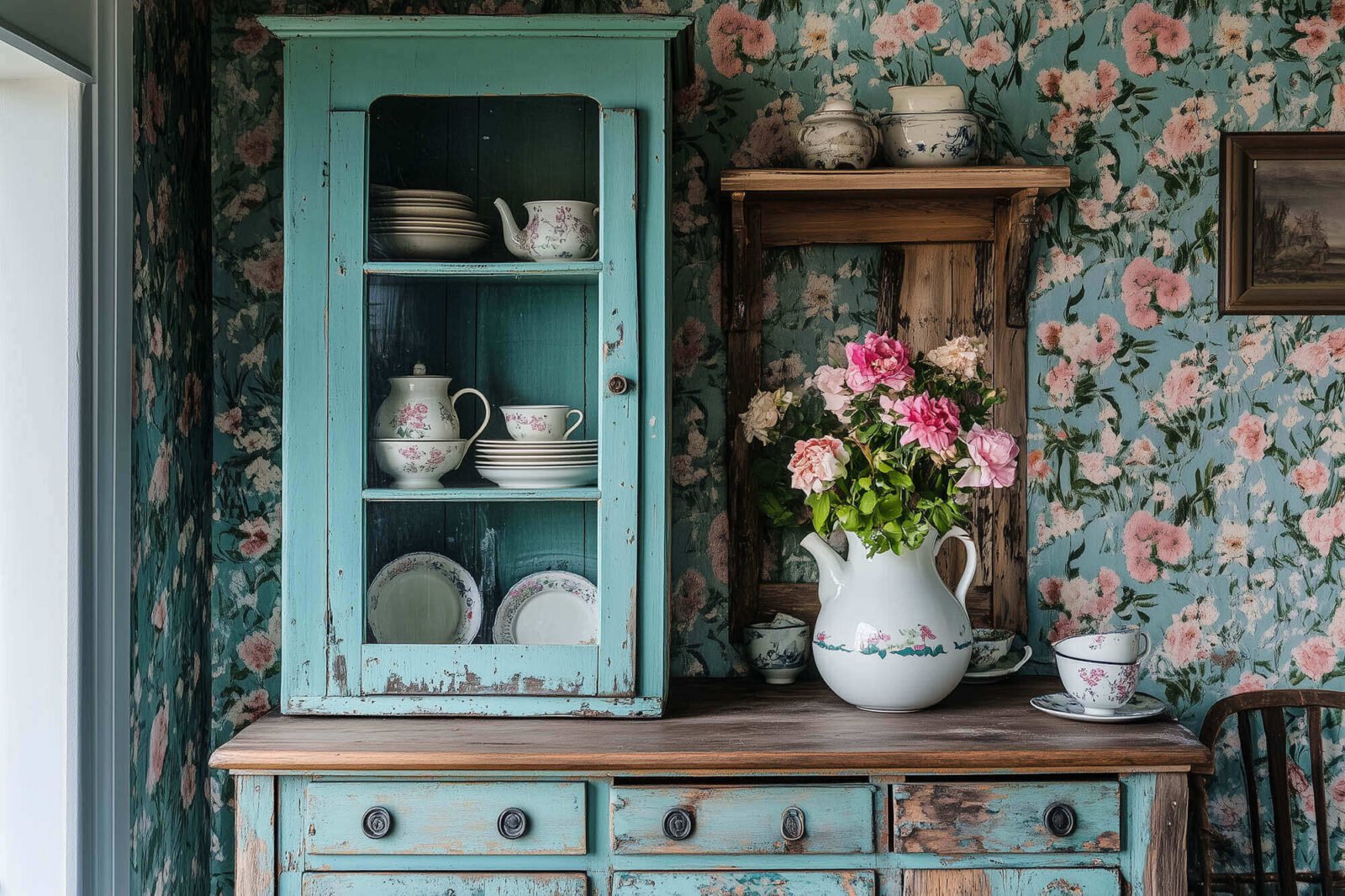
One of the easiest ways to introduce vintage style into a modern interior is to begin with a single statement piece. Instead of filling an entire room with antique furniture, choose one item that naturally attracts attention. A vintage wooden sideboard, an interesting lounge chair, or a beautifully crafted dining table can become the central feature of a room. This approach allows the furniture to stand out while maintaining the simplicity of a contemporary interior.
Consider the existing colors, furniture proportions, and architectural features before selecting your statement piece. A dark wooden cabinet may look particularly attractive against light-colored walls, while a vintage leather chair can introduce warmth into a room with minimalist furniture. Similarly, an older wooden table can create an interesting contrast when surrounded by contemporary dining chairs. The most successful combinations usually involve some connection between materials, colors, or shapes.
Scale is equally important. A large antique cabinet may overwhelm a compact living room, while a small decorative table might look out of place in a spacious interior. Measure the available space and consider how people will move around the furniture. A statement piece should enhance the room rather than interfere with its everyday functionality.
Once the main vintage item is selected, introduce supporting accessories gradually. A contemporary floor lamp, simple artwork, or neutral rug can help connect the older furniture with the rest of the room. Keeping the surrounding design relatively understated allows the vintage piece to remain the focal point without making the interior feel overly decorated.
How to Combine Vintage Dining Table and Chairs With Modern Interiors
The dining room is one of the best places to experiment with vintage and contemporary furniture combinations. A vintage dining table and chairs can introduce warmth, craftsmanship, and visual interest into an otherwise modern dining area. Older wooden tables often feature distinctive grain patterns, traditional joinery, and carefully shaped legs that create a strong design statement. These characteristics can make the dining room feel more inviting without requiring extensive decoration.
One effective approach is to pair a vintage dining table with contemporary chairs. For example, a traditional walnut or oak table can look attractive with modern upholstered seating. The contrast between the older tabletop and streamlined chairs creates a balanced arrangement that feels updated rather than outdated. Alternatively, vintage chairs can be combined with a simple contemporary dining table to introduce character through their shapes and materials.
If you prefer a more coordinated appearance, choose furniture pieces that share complementary design characteristics. Similar wood tones, related silhouettes, or consistent metal finishes can connect different periods. However, matching every detail is unnecessary. A carefully selected contrast can make the dining arrangement more interesting and prevent the space from looking like a furniture showroom.
Comfort and practicality should remain priorities when selecting vintage dining furniture. Examine chair stability, seat support, table construction, and the condition of wooden surfaces. Older upholstered chairs may require new fabric or cushioning to improve their usability. If a table needs refinishing, consider whether the restoration will preserve its original character. Combining careful restoration with contemporary styling can create a dining area that feels both functional and distinctive.
Balance Colors, Textures, and Materials
Color coordination is one of the most effective ways to connect vintage furniture with modern interiors. Older furniture often features rich wood tones, aged finishes, warm metals, and traditional upholstery patterns. Contemporary spaces, meanwhile, frequently use neutral colors and simplified surfaces. Bringing these elements together requires a consistent color palette that allows different pieces to complement one another.
Neutral shades such as cream, beige, white, warm gray, and soft brown provide an excellent foundation. These colors work particularly well with vintage wood furniture because they allow natural grain patterns and decorative details to remain visible. You can introduce additional character through muted green, navy blue, terracotta, mustard, or burgundy accents. The key is to repeat selected colors throughout the room rather than introducing too many unrelated shades.
Textures also play an important role in creating visual depth. Vintage wooden furniture can be paired with contemporary linen upholstery, wool rugs, leather seating, and ceramic accessories. These combinations introduce contrast while maintaining a comfortable atmosphere. For example, a polished wooden sideboard may look especially attractive against a textured neutral wall or beside a modern fabric sofa.
Mixing materials requires similar attention. Wood, glass, metal, stone, and natural fabrics can work together when their proportions are carefully considered. A vintage brass lamp might complement a contemporary wooden console, while an antique mirror can add interest above a minimalist sideboard. Repeating one or two materials across different areas of the room helps create a cohesive appearance.
Use Vintage Accessories to Add Character
Furniture is not the only way to introduce vintage style into a contemporary home. Smaller decorative accessories can provide personality without requiring major changes to the existing layout. Vintage mirrors, ceramic vases, framed artwork, traditional clocks, and decorative bowls are useful additions because they introduce distinctive shapes and textures. These objects can also help establish a connection between different furniture styles.
Mirrors are particularly effective because they combine decorative appeal with practical functionality. An antique mirror with an interesting frame can become a focal point above a contemporary console table. Similarly, vintage artwork can introduce color and visual depth into a room with simple furniture. When displaying multiple decorative objects, consider their size and arrangement to avoid making surfaces feel overcrowded.
Lighting is another valuable way to combine different design periods. A vintage table lamp or pendant light can introduce warmth into a modern living space. Pairing an older lighting design with contemporary furniture creates an attractive contrast while maintaining everyday functionality. Before purchasing vintage lighting, check its wiring, electrical condition, and suitability for current safety requirements.
Decorative accessories should be selected according to their visual and practical value. Rather than displaying every vintage item you own, choose a few pieces that have distinctive designs or personal significance. Leaving enough open space around each object helps it stand out. This approach creates a more intentional arrangement and prevents the interior from appearing cluttered.
Mix Different Furniture Periods Without Losing Cohesion
Combining furniture from different historical periods can create a distinctive interior, but the arrangement needs a clear design direction. A mid-century wooden cabinet, a traditional upholstered chair, and a contemporary coffee table can work together when their shapes, materials, or colors share some common characteristics. Without these connections, the room may feel like a random collection of unrelated objects.
Begin by identifying the overall atmosphere you want to create. Some homeowners prefer a relaxed interior with natural wood, neutral fabrics, and understated vintage accessories. Others may enjoy a more expressive approach that combines colorful retro furniture with modern artwork and sculptural objects. Establishing a general direction helps guide purchasing decisions and prevents unnecessary decorating changes.
Furniture proportions should also be considered carefully. Large traditional pieces can look attractive alongside contemporary furniture with simpler silhouettes, but their placement matters. Avoid grouping several bulky items together in a small area. Instead, distribute visual weight throughout the room and leave sufficient open space between furniture pieces.
Another useful technique is repeating certain design elements. If a vintage cabinet features brass hardware, similar metal details can appear in lighting fixtures or decorative accessories. If an older dining table has rounded edges, curved shapes can be introduced through contemporary chairs or mirrors. These small connections make the overall arrangement feel intentional without requiring every item to belong to the same period.
Practical Tips for Buying and Maintaining Vintage Furniture
Buying vintage furniture requires careful inspection because the condition of older pieces can vary significantly. Before making a purchase, examine the frame, joints, surface finish, hardware, and overall stability. Look for signs of water damage, wood deterioration, insect activity, loose connections, and previous repairs. Normal wear can add character, but serious structural problems may affect safety and increase restoration expenses.
It is also important to understand the difference between vintage, antique, and reproduction furniture. Vintage generally refers to older pieces that reflect a particular historical period, while antique furniture is commonly associated with items at least 100 years old. Reproductions are newer products inspired by historical designs. These distinctions matter when evaluating a seller’s description, researching an item’s background, or comparing prices.
When possible, ask sellers about the furniture’s age, manufacturer, previous ownership, restoration history, and original materials. Photographs of the underside, back panels, drawer interiors, and hardware can provide additional information when purchasing online. For valuable or potentially collectible pieces, consulting an experienced furniture dealer or independent specialist can help establish authenticity and condition.
Proper maintenance helps preserve the appearance and usefulness of vintage furniture. Wooden surfaces should be cleaned using suitable products, while upholstery may require professional cleaning depending on its fabric and condition. Avoid exposing older furniture to excessive moisture, direct sunlight, or extreme temperature changes. If restoration is necessary, consider working with a qualified professional who understands the materials and construction techniques used in older furniture.
Create a Timeless Interior by Combining Old and New
The most successful vintage-inspired interiors are not necessarily the ones with the largest collections of antique furniture. Instead, they are spaces where each item has a purpose and contributes to the overall atmosphere. A carefully selected vintage table, an older wooden cabinet, or a distinctive decorative accessory can introduce more personality than an entire room filled with matching furniture.
Modern interiors provide an excellent background for showcasing older pieces. Clean architectural lines, neutral walls, contemporary lighting, and uncluttered layouts allow vintage furniture to become a visual highlight. At the same time, modern seating, updated upholstery, and practical storage solutions help ensure the home remains comfortable and suitable for everyday activities.
Personal preferences should guide the final design. Some people enjoy the warmth of traditional wood furniture, while others prefer colorful retro accessories or minimalist vintage-inspired pieces. There is no single formula for combining different design periods successfully. The important considerations are balance, functionality, material quality, and a consistent visual direction.
Conclusion
Vintage home decor offers an effective way to bring history, craftsmanship, and individuality into modern living spaces. By combining older furniture with contemporary designs, homeowners can create interiors that feel more personal and visually interesting. Starting with statement pieces, coordinating colors and materials, and selecting carefully arranged accessories helps maintain a balanced appearance without overcrowding the room.
Whether you are introducing a vintage dining table and chairs, restoring an older wooden cabinet, or decorating with distinctive vintage accessories, thoughtful selection makes all the difference. Pay attention to furniture condition, proportions, comfort, and maintenance requirements before making purchasing decisions. Ultimately, the beauty of mixing old and new lies in creating a home that reflects your personality while combining timeless character with the convenience of modern living.