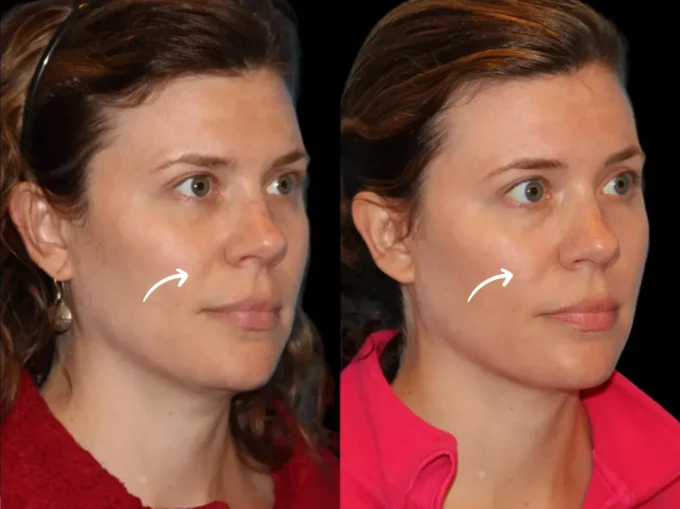
Excess fat beneath the chin can create a rounded lower facial appearance and make the jawline less visible. Chin Liposuction in Dubai is a surgical procedure that removes selected fat deposits from the area below the chin to improve its contour. At Dynamic Life Clinic, treatment planning focuses on the patient’s facial anatomy, skin condition, and desired outcome to support a balanced and natural-looking appearance.
Understanding Excess Fat Beneath the Chin
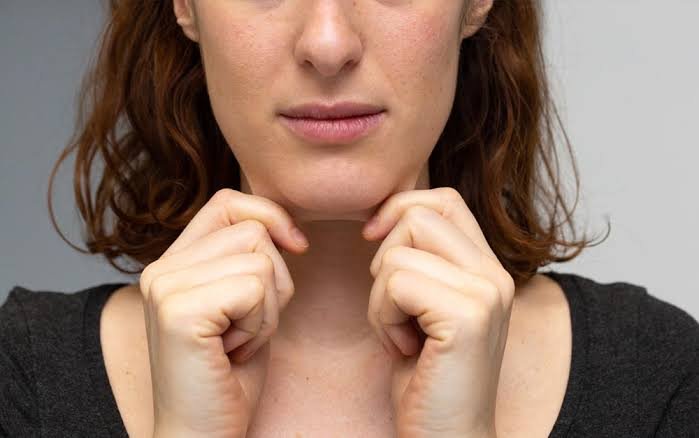
The area beneath the chin contains a layer of subcutaneous fat located between the skin and deeper tissues. When this fat becomes more prominent, it can create a double chin or reduce the definition between the chin and neck. Genetics, ageing, weight changes, and natural fat distribution can all contribute to fullness in this area. Some people experience it even when their overall body weight is within a healthy range.
How Chin Liposuction Targets Fat Deposits
Chin liposuction uses a thin surgical instrument called a cannula to remove unwanted fat from beneath the skin. Small incisions are made in discreet locations, commonly under the chin, allowing the surgeon to access the targeted area. The cannula is moved carefully through the fat layer to loosen and suction out selected deposits while preserving surrounding tissues.
The amount of fat removed depends on the patient’s anatomy and the level of fullness. The aim is to create a smoother contour rather than remove as much fat as possible.
Main Steps Involved in the Procedure
The procedure follows a planned sequence to ensure that the targeted area is treated carefully. Although the exact technique may vary, the main stages generally include:
-
Consultation and assessment: The surgeon examines the chin, neck, skin elasticity, and fat distribution.
-
Treatment markings: The area requiring contour improvement is marked before surgery.
-
Anaesthesia: Local anaesthesia, sometimes with sedation, or general anaesthesia may be used depending on the case.
-
Small incisions: Tiny openings are created to allow access to the underlying fat.
-
Fat removal: A cannula is used to suction selected fat deposits.
-
Contour refinement: The surgeon checks the treated area to maintain smooth and balanced proportions.
-
Incision care: The small openings are closed or dressed as appropriate.
How the Skin Adapts After Fat Removal
Once excess fat is removed, the skin may gradually adjust to the reduced volume underneath it. Skin elasticity plays an important role in this process. Younger individuals and people with good skin quality may experience better natural retraction, although results vary. If significant loose skin is present, removing fat alone may not produce the desired tightness and could make laxity more noticeable.
Improvements in the Chin and Neck Profile
Removing localised fat can create a clearer distinction between the chin and neck. This may help improve the appearance of a double chin and make the natural jawline more visible. The degree of improvement depends on the amount and location of fat, skin elasticity, and underlying facial structure. Chin liposuction does not change the jawbone or increase the projection of a recessed chin.
Checkpoint: Important Considerations Before Treatment
A careful assessment helps determine whether the fullness beneath the chin is suitable for surgical fat removal. Patients should consider the following factors before proceeding:
-
Fat distribution: The surgeon should confirm that subcutaneous fat is the main cause of the fullness.
-
Skin quality: Loose or poorly elastic skin may not adapt fully after fat removal.
-
Weight stability: Maintaining a relatively stable weight helps support consistent results.
-
Medical history: Existing health conditions, medications, and healing concerns should be reviewed.
-
Expected outcome: Patients should understand that improvement is possible, but perfect symmetry or a specific jawline shape cannot be guaranteed.
Recovery After Chin Liposuction
After the procedure, patients may experience swelling, bruising, tenderness, and tightness around the treated area. These effects usually improve gradually during recovery. A compression garment may be recommended to support the tissues, and patients should follow the surgeon’s instructions regarding incision care, sleeping position, and physical activity. Strenuous exercise should be avoided until the surgeon confirms that it is safe to resume.
Potential Risks and Limitations
Chin liposuction is a surgical procedure, so it carries risks such as bleeding, infection, fluid accumulation, temporary or prolonged changes in sensation, skin irregularities, and uneven contours. Excessive fat removal can also create hollows or an unnatural appearance. The procedure treats localised fat but does not remove significant excess skin, correct bone-related concerns, or prevent future changes caused by ageing and weight fluctuations.
Frequently Asked Questions
Patients often want to understand how fat is removed, what happens to the skin, and how the treated area changes during recovery. These answers cover some common points about the procedure.
Does Chin Liposuction Remove Fat Cells Permanently?
The fat cells removed during the procedure are eliminated from the treated area. However, remaining fat cells can enlarge if a person gains weight, so maintaining healthy habits is important for supporting the result.
Is Chin Liposuction Performed Through Large Incisions?
No. The procedure generally uses small incisions that allow a thin cannula to reach the targeted fat layer. Their placement depends on the surgeon’s technique and the patient’s anatomy.
Can Chin Liposuction Remove All Fat Beneath the Chin?
The procedure is not intended to remove every fat cell. A surgeon removes selected deposits while preserving enough tissue for a smooth, natural contour.
Does the Skin Tighten Automatically After Fat Removal?
Not always. Skin elasticity influences how well the skin adapts to the reduced fat volume. Individuals with significant skin laxity may need an alternative or additional approach.
When Can the Final Chin Contour Be Seen?
Swelling can temporarily hide the improvement after surgery. The contour becomes more noticeable as healing progresses, while the final appearance may take several weeks or months to develop.
Conclusion
Chin liposuction removes excess subcutaneous fat through small incisions using a thin cannula, helping improve fullness beneath the chin and define the transition between the chin and neck. The outcome depends on fat distribution, skin elasticity, facial structure, and careful surgical technique. A professional consultation is essential to determine whether the procedure can address the individual’s concern safely and realistically.