

For people living with obesity, the decision to seek medical help is often the result of years of trying diets, exercise plans and supplements that delivered short-lived results. Once that decision is made, a new question arises: which treatment is right? The options range from non-surgical procedures that require no incisions at all to permanent surgical operations that reshape the digestive system. Two approaches sit at different points on that spectrum: the intragastric balloon and the mini gastric bypass. Understanding how each works, and who each suits, makes for a far more informed conversation with a specialist.
Why one size does not fit all
Obesity is not a single condition with a single solution. A person with a body mass index (BMI) of 32 who wants to lose 15 kilograms has very different needs from someone with a BMI of 45 and poorly controlled type 2 diabetes. Age, overall health, existing medical conditions, eating patterns and personal preferences all influence which treatment is most appropriate. Good weight-loss care begins by matching the intervention to the individual rather than offering one procedure to everyone.
How the intragastric balloon works
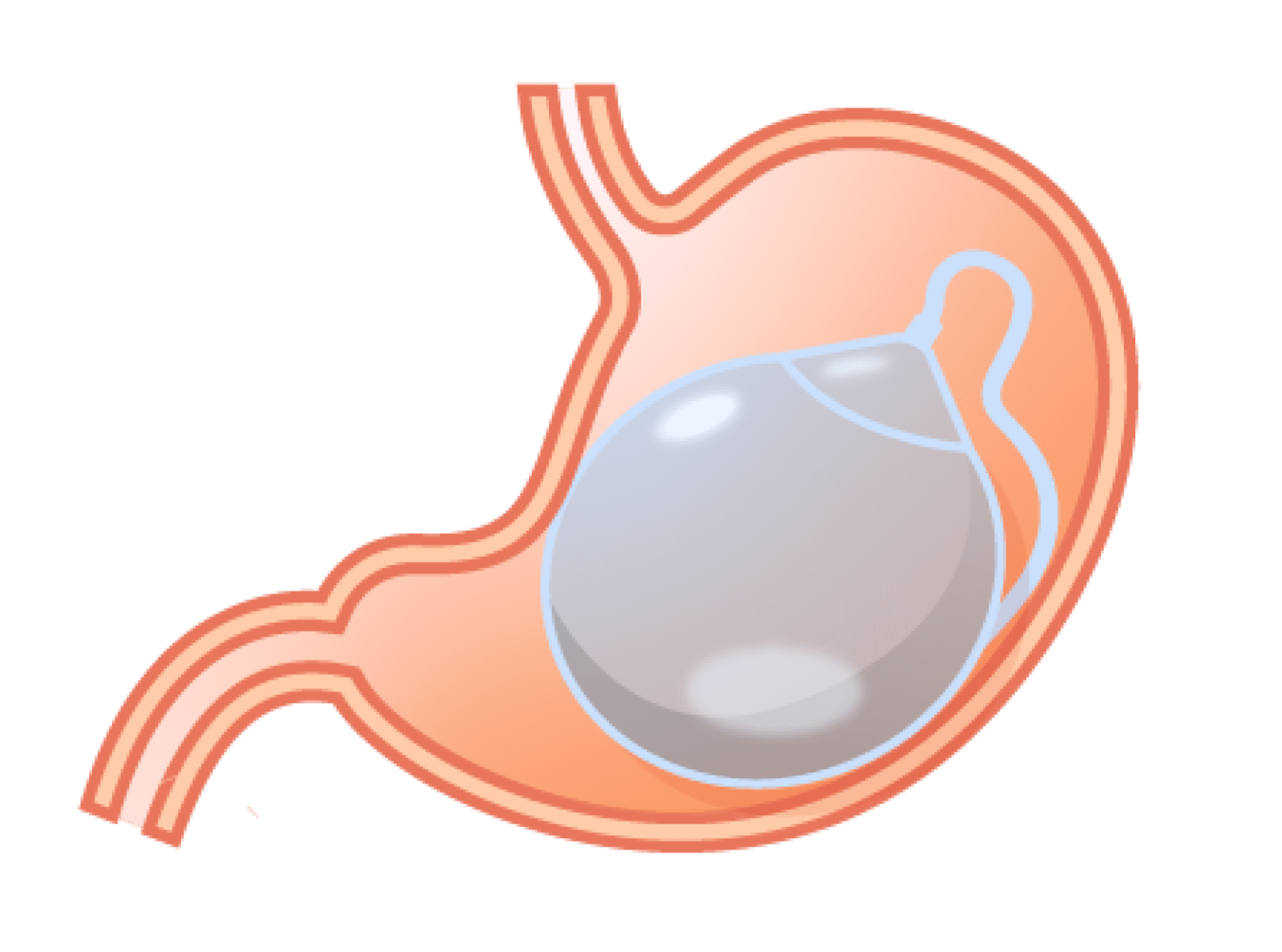
The intragastric balloon procedure is a non-surgical treatment in which a soft silicone balloon is placed in the stomach and filled with saline. It is usually inserted through the mouth using an endoscope, under sedation, and the procedure typically takes less than half an hour. There are no cuts, no stitches and no permanent changes to the anatomy.
Once in place, the balloon occupies space in the stomach, so a person feels full sooner and eats smaller portions. It generally stays in place for around six months, though some types are designed for longer, after which it is removed endoscopically. Most people lose a meaningful amount of weight during this period, often in the region of 10 to 15 percent of their total body weight, provided they follow the accompanying dietary guidance.
The first few days after placement can bring nausea, vomiting and stomach cramps as the body adjusts, but these usually settle within a week. The balloon is best viewed as a structured, time-limited aid that helps establish new eating habits.
Who the balloon suits best
The intragastric balloon tends to be considered for:
- People with moderate obesity who have not succeeded with diet and exercise alone
- Those who are not eligible for, or not ready to consider, surgery
- Patients who need to lose weight before another operation, such as joint replacement
- People with very high BMI who need to reduce surgical risk before a definitive procedure
Its main limitation is durability. Because the balloon is removed, results depend entirely on whether the habits built during treatment last. Without lasting changes, much of the weight can return.
How the mini gastric bypass works
At the other end of the spectrum is surgery. A mini gastric bypass, also known as a one-anastomosis gastric bypass, creates a long, narrow stomach pouch and connects it directly to a loop of the small intestine further down. This means food bypasses part of the digestive tract, so a person both eats less and absorbs fewer calories. Because it involves a single connection rather than two, it is technically simpler than the traditional gastric bypass and is usually performed through keyhole or robotic techniques.
The procedure has a strong record for substantial, long-term weight loss and is particularly effective at improving or resolving type 2 diabetes, high blood pressure and other obesity-related conditions. Unlike the balloon, its effect is permanent, because the anatomy itself has changed.
As with any operation that bypasses part of the intestine, lifelong vitamin and mineral supplementation and regular follow-up are essential. Some patients can experience bile reflux, which is one of the factors a surgeon will weigh when recommending it.
Comparing the two approaches
- Invasiveness: The balloon involves no incisions; the bypass is a surgical operation, though minimally invasive.
- Permanence: The balloon is temporary and removed; the bypass is a lasting change.
- Expected weight loss: The balloon produces moderate loss; the bypass typically produces far greater and more durable loss.
- Effect on diabetes: The bypass has a much stronger metabolic effect.
- Recovery: Both allow a relatively quick return to normal life, though surgery carries more recovery requirements.
- Commitment: Both depend heavily on long-term changes in eating and activity.
Making the right choice
Neither option is better in absolute terms; each fits a different situation. The balloon can be an excellent choice for someone with moderate obesity who wants a non-surgical start, while a bypass is often more appropriate for people with severe obesity or significant metabolic disease who need a durable solution. In some cases, the two are used in sequence, with a balloon reducing risk before surgery.
A thorough evaluation, including a review of medical history, blood tests, nutritional assessment and an honest discussion of goals, allows an experienced bariatric team to recommend the approach most likely to succeed for each person.
Questions to ask your specialist
Before committing to either approach, it helps to ask a few direct questions. How much weight is realistic for someone with my profile? What happens if I regain weight after the balloon is removed? What are the specific risks of each option given my medical history? What dietary and follow-up support is included, and for how long? A specialist who answers these clearly, and who is willing to explain why one option may suit you better than another, is a good sign that you are receiving individualised care rather than a standard package.
The common thread
Whatever the treatment, success ultimately rests on the same foundations: balanced eating, regular physical activity, proper hydration and consistent follow-up. Procedures change the biology that makes weight loss so difficult, but they work best when paired with sustained commitment. The first step is simply an informed conversation with a qualified specialist who can explain the options and help you choose the path that fits your health, goals and life.