


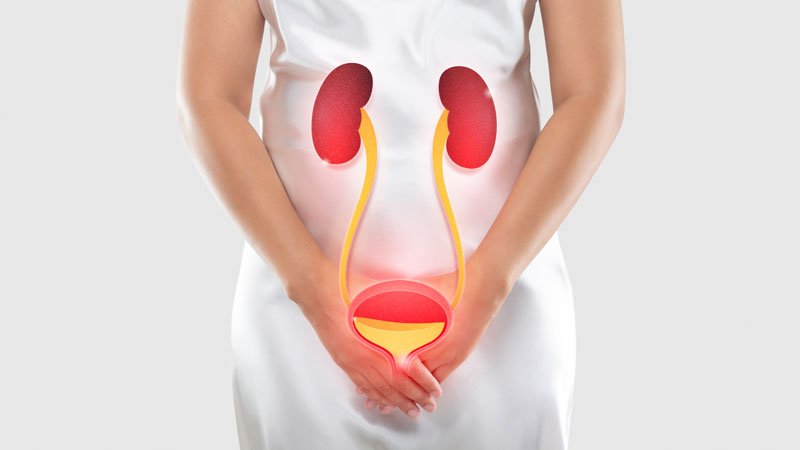
Few everyday health problems are as common – or as frustrating – as a urinary tract infection. The burning, the constant urge to go, the feeling that something simply isn’t right: most adults, and the overwhelming majority of women, will experience at least one UTI in their lifetime. For many, though, the real misery is not a single infection but a pattern of them, returning again and again despite treatment. Understanding why UTIs happen, why they recur, and what actually prevents them can turn a cycle of discomfort into something firmly under control.
What a UTI actually is
A urinary tract infection occurs when bacteria – most often from the bowel – enter the urinary system and multiply. The infection can affect different parts of the tract. A bladder infection, known as cystitis, is the most common and causes the familiar symptoms of burning on passing urine, urgency, frequency and sometimes lower abdominal discomfort. When an infection travels up to the kidneys it becomes far more serious, often bringing fever, back or flank pain, nausea and a general feeling of being unwell. That needs prompt medical attention, as kidney infections can cause lasting damage if ignored.
Why women are affected so much more often
Anatomy explains most of it. Women have a shorter urethra than men, and its opening sits closer to the bowel, giving bacteria a much shorter journey to the bladder. Sexual activity, certain forms of contraception, pregnancy and the hormonal changes of menopause all raise the risk further. None of this means UTIs are anyone’s fault – they are a simple consequence of how the body is built – but it does explain why so many women experience them repeatedly.
When infections keep coming back
Doctors describe UTIs as recurrent when a person has two or more infections in six months, or three or more in a year. Recurrence usually happens for one of two reasons: the previous infection was never fully cleared, or a new infection takes hold soon after the last. Several factors make this more likely – incomplete bladder emptying, hormonal changes after menopause, kidney stones that can harbour bacteria, and in some cases an underlying structural issue in the urinary tract. This is why recurrent infections deserve more than another quick course of antibiotics. Treating the symptom again and again without investigating the cause can leave the real problem – and the cycle – firmly in place.
The red flags that need a closer look
While most UTIs are uncomplicated, certain signs warrant prompt medical attention. Blood in the urine, fever with back pain, infections that keep returning, UTIs in men (which are less common and more likely to signal an underlying issue), and infections during pregnancy all deserve proper evaluation. So does any infection that fails to improve within a couple of days of starting treatment. These are not reasons to panic, but they are reasons not to simply wait and hope.
How recurrent UTIs are investigated
Getting to the bottom of repeated infections is usually straightforward. It begins with a urine culture to identify exactly which bacteria are involved and which antibiotics will work – an important step, as antibiotic resistance is increasingly common. Depending on the picture, a doctor may recommend an ultrasound or other imaging to check the kidneys and bladder, assess how well the bladder empties, and rule out stones or structural problems. For men, and for women with stubbornly recurrent infections, a more detailed look at the urinary tract can identify issues that, once treated, stop the infections for good.
What genuinely helps prevent them
Prevention is where the most progress can be made, and much of it is within everyday reach. Hydration remains the single most effective habit: drinking plenty of water dilutes the urine and flushes bacteria from the bladder before they can take hold. Not delaying urination, and emptying the bladder fully, denies bacteria the time they need to multiply. Simple hygiene measures, and urinating after sexual activity, reduce the opportunity for bacteria to enter the urethra.
For women after menopause, vaginal oestrogen can meaningfully reduce recurrences by restoring the natural defences of the tissues. Where infections are frequent despite these measures, doctors have several evidence-based options, from a low-dose preventive antibiotic to non-antibiotic approaches aimed at reducing antibiotic use altogether. Cranberry products help some people, though the evidence is mixed, and they are best seen as a supplement to, not a substitute for, the measures above.
You don’t have to just live with them
Perhaps the most important message is that recurrent UTIs are not something to be quietly endured. They are common, they are treatable, and in most cases the cycle can be broken once the underlying reasons are understood. A urologist can offer proper investigation and treatment for recurrent urinary tract infections, tailored to the cause rather than the symptom alone. Anyone facing repeated infections – or a single infection with fever, back pain or blood in the urine – should seek that assessment rather than relying on repeated short courses of antibiotics. In the great majority of cases, the cycle can be left behind.
This article is for general information only and is not a substitute for professional medical advice. Anyone experiencing persistent or severe symptoms should consult a qualified doctor.
About the Author
Dr. Anish Kumar Gupta is a Consultant Urologist and Andrologist in Delhi NCR (MBBS, MS, DNB Urology) with more than 20 years of clinical experience. He is Director of the Centre for Urology and Andrology at North Delhi Nursing Home, Ashok Vihar, with special interests in andrology, men’s health, paediatric urology and minimally invasive stone surgery. Learn more at dranishgupta.com