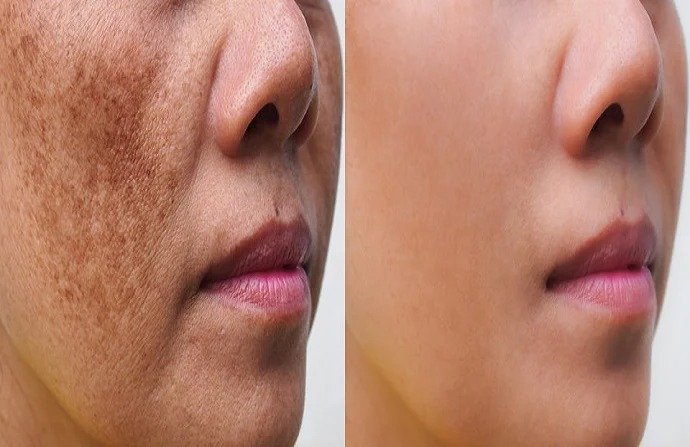
Facial pigmentation can appear as dark spots, uneven patches, freckles, or lingering marks after acne. These changes may affect the complexion and make the skin look less even. Sun exposure, hormonal fluctuations, inflammation, and ageing are common contributing factors. Choosing suitable Pigmentation Treatments in Dubai & Abu Dhabi begins with identifying the type of pigmentation and understanding what your skin needs.
At Glamorous Clinic Dubai, facial pigmentation concerns can be approached through personalised skincare recommendations and selected professional procedures. The aim is to improve the appearance of uneven skin tone while considering skin sensitivity, pigmentation depth, and individual treatment suitability.
Understanding Facial Pigmentation
Facial pigmentation develops when melanin, the natural pigment responsible for skin colour, becomes unevenly distributed or increases in certain areas. Different conditions can create similar-looking dark patches, but their causes and management may differ.
Melasma
Melasma commonly appears as brown or grey-brown patches on the cheeks, forehead, nose, and upper lip. Hormonal influences and sun exposure are important contributing factors. Visible light can also worsen some cases.
Melasma may be persistent and can return after improvement. It often requires ongoing sun protection and carefully selected skincare.
Sunspots and Age Spots
Sunspots, also known as solar lentigines, are flat brown marks associated with cumulative UV exposure. They commonly appear on the face and other areas frequently exposed to sunlight.
Selected sunspots may respond to professionally supervised pigment-targeting procedures, depending on their appearance and skin type.
Post-Inflammatory Hyperpigmentation
Post-inflammatory hyperpigmentation develops after inflammation or injury. Acne, skin irritation, eczema, and picking at blemishes can leave darker marks after the original concern has healed.
Managing the underlying inflammation and protecting the skin from sunlight are important parts of improving these marks.
Freckles
Freckles are small areas of increased pigmentation that may become darker after sun exposure. Their visibility can vary depending on individual skin characteristics and the amount of sunlight received.
Advanced Options for Facial Pigmentation
The appropriate treatment depends on the pigmentation type, skin tone, sensitivity, and medical history. A professional assessment helps determine which options may be suitable.
1. Chemical Peels
Chemical peels use selected exfoliating ingredients to remove some outer skin cells and support skin renewal. Depending on the formulation and treatment depth, they may help improve superficial pigmentation, mild acne marks, and uneven texture.
Potential benefits include:
-
Improving the appearance of selected dark spots.
-
Supporting smoother-looking skin.
-
Reducing the appearance of some superficial acne marks.
-
Refreshing a dull-looking complexion.
Peels can cause temporary redness, dryness, peeling, or sensitivity. Stronger formulations are not automatically more effective and may increase the risk of irritation or additional pigmentation, particularly in darker skin tones.
2. Laser-Based Pigmentation Procedures
Certain laser technologies target pigment within the skin. They may be considered for selected concerns, including some localised sunspots and other forms of pigmentation.
However, laser treatment is not suitable for everyone. Some skin tones have a higher risk of burns, inflammation, or post-treatment darkening. Melasma may also worsen with heat or irritation, making careful treatment selection especially important.
3. Microneedling
Microneedling uses fine needles to create controlled micro-injuries that support the skin’s natural repair process. It may be considered for selected concerns involving uneven texture and certain post-acne marks.
It is not a universal treatment for facial pigmentation. Skin sensitivity, active inflammation, and the possibility of post-inflammatory pigmentation should be considered before proceeding.
4. Targeted Skincare Ingredients
Topical skincare can help improve the appearance of selected pigmentation concerns when used consistently. Depending on individual suitability, a routine may include:
-
Vitamin C: Provides antioxidant support and may help improve the appearance of dull skin.
-
Niacinamide: Supports the skin barrier and may help reduce uneven-looking tone.
-
Azelaic acid: May help with selected cases of acne-related pigmentation.
-
Retinoids: Support skin-cell turnover and may improve the appearance of certain dark marks.
-
Gentle moisturisers: Help maintain hydration and support the skin barrier.
Active ingredients should be introduced gradually. Using multiple strong products together may cause irritation and make pigmentation more noticeable.
Essential Aftercare for Better Skin Appearance
Aftercare is important for maintaining skin comfort and reducing the risk of further pigmentation.
Use Broad-Spectrum Sunscreen
Apply broad-spectrum SPF 30 or higher every morning. Reapply approximately every two hours when outdoors and after swimming or excessive sweating.
For melasma and some facial pigmentation concerns, tinted sunscreen containing iron oxides may provide additional protection against visible light.
Keep Your Skincare Routine Gentle
Use a mild cleanser and moisturiser suited to your skin type. Avoid harsh scrubs, unnecessary exfoliation, and unapproved skin-lightening products that may irritate the skin.
Follow Treatment Instructions
After a chemical peel, laser procedure, or microneedling session, follow the recommended recovery instructions. Avoid picking peeling skin and pause irritating active ingredients when advised.
Be Patient With Results
Pigmentation improvement is gradual. Some superficial marks may become less noticeable over several weeks, while melasma and deeper pigmentation can require longer-term management. Results vary between individuals.
Personalised Facial Pigmentation Care at Glamorous Clinic Dubai
Choosing an advanced facial procedure should begin with understanding the pigmentation concern rather than selecting a treatment based only on appearance. Melasma, sunspots, freckles, and acne-related marks may require different approaches.
At Glamorous Clinic Dubai, an individual assessment can help explore suitable professional options and skincare recommendations. Pigmentation Treatments in Dubai & Abu Dhabi can be considered according to your skin type, concerns, and personal goals.
Any new, rapidly changing, irregular, or bleeding pigmented spot should be medically assessed before cosmetic treatment. This helps ensure that a potentially concerning lesion is not mistaken for ordinary pigmentation.
Frequently Asked Questions
What is the best treatment for facial pigmentation?
The most suitable option depends on the cause and depth of pigmentation. Chemical peels, selected laser procedures, microneedling, and targeted skincare may be considered for different concerns following an appropriate assessment.
Can facial pigmentation be removed permanently?
Permanent removal cannot be guaranteed. Some dark spots may improve significantly, but melasma and sun-related pigmentation can return. Ongoing sun protection and maintenance skincare are important.
Are laser treatments suitable for darker skin tones?
Some laser procedures can be used for selected darker skin tones, but treatment settings and technology require careful selection. The risk of irritation and post-inflammatory pigmentation should be discussed before treatment.
How can I prevent facial pigmentation from returning?
Use broad-spectrum sunscreen daily, reapply when outdoors, avoid unnecessary skin irritation, and follow a consistent skincare routine. Tinted iron-oxide sunscreen may be helpful for people managing melasma.
How long does facial pigmentation treatment take?
The timeline depends on the pigmentation type, treatment method, and individual skin response. Some superficial marks may improve within weeks, while persistent concerns can require longer-term care.
Explore Your Facial Pigmentation Care Options
A more even-looking complexion starts with identifying the cause of pigmentation and choosing suitable care. Consistent sun protection, gentle skincare, and carefully selected professional treatments may help improve the appearance of facial dark spots over time.
Explore Pigmentation Treatments in Dubai & Abu Dhabi at Glamorous Clinic Dubai and arrange a consultation to discuss options suited to your skin concerns.